Scrypt: What It Is, How It Powers Crypto Mining, and Why It Matters
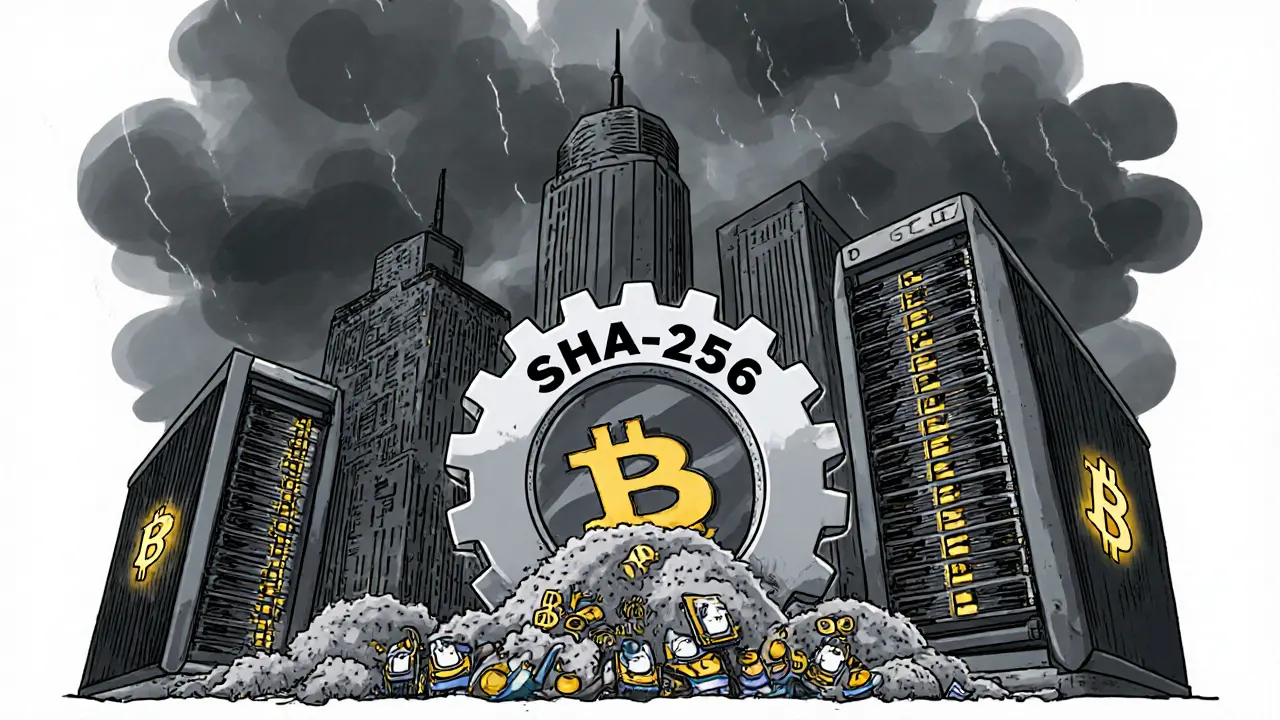
When you hear about Scrypt, a memory-intensive hashing algorithm designed to resist ASIC dominance in cryptocurrency mining. Also known as Scrypt algorithm, it was created to level the playing field for everyday miners by making it harder for specialized hardware to take over. Unlike SHA-256, which powers Bitcoin and favors massive ASIC farms, Scrypt was built to be tough on memory, not just raw speed. This meant regular GPUs could still compete—back in the early 2010s, you didn’t need a warehouse full of machines to mine Litecoin. You just needed a decent graphics card and patience.
That’s why Scrypt became the go-to choice for coins wanting to stay decentralized. ASIC miners, specialized hardware built to solve cryptographic puzzles faster and more efficiently than general-purpose hardware. Also known as application-specific integrated circuits, it eventually caught up with Scrypt too—but not before Litecoin and others built loyal communities around the idea that mining shouldn’t be reserved for big corporations. Today, you’ll still find Scrypt in coins like Dogecoin, Vertcoin, and Syscoin. Even though ASICs now dominate, Scrypt’s legacy lives on in how these projects position themselves: as alternatives to Bitcoin’s centralized mining model. It’s not just a technical choice—it’s a philosophy. One that says: if mining is too easy to monopolize, the network loses its soul.
Scrypt also shaped how we think about mining profitability. While SHA-256 coins demand huge upfront investments and cheap electricity, Scrypt coins often let smaller players stay in the game longer. That’s why you still see people mining with old GPUs or even CPUs in some cases. It’s not the most efficient way—but it’s more inclusive. And that’s the point. The posts below dig into exactly how Scrypt compares to other algorithms, which coins still rely on it today, and why some miners still swear by it—even when the hardware’s outdated. You’ll also find real breakdowns of exchanges and airdrops tied to Scrypt-based coins, so you know what’s real and what’s just noise.