DID Explained: Decentralized Identity in Crypto and Why It Matters
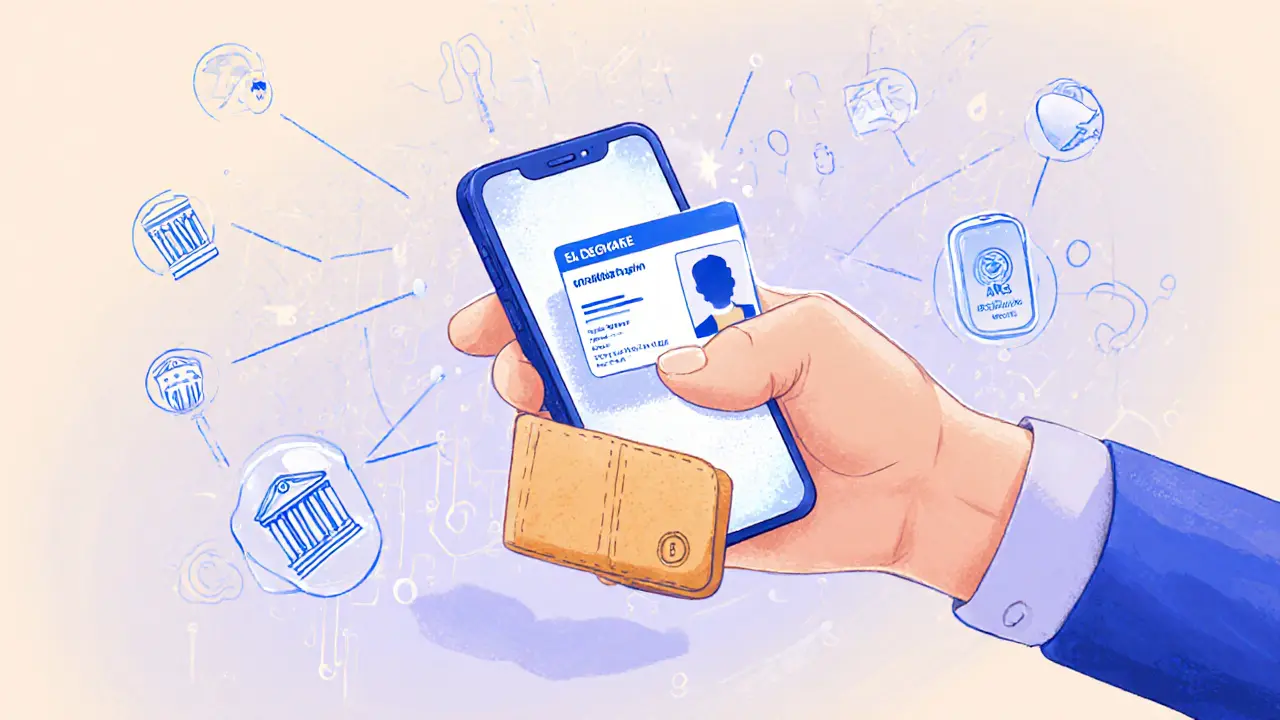
When you log into a website, you’re handing over your identity to someone else—your email, phone number, even your social media profile. But what if you could control your own identity, without a company holding it hostage? That’s where DID, Decentralized Identity, a system that lets you own and verify your digital identity using blockchain technology. Also known as Web3 identity, it’s not about usernames and passwords—it’s about cryptographic proof you control your data. Unlike traditional systems where Facebook or Google decide what you can access, DID puts you in charge. You decide who sees your name, age, or credentials—and you can prove it without giving away everything else.
DID isn’t just theory. It’s being built into real crypto tools. Projects like Decentralized Identity, a framework using blockchain to issue, store, and verify identity claims without central authorities let you hold your diplomas, licenses, or even crypto wallet history as verifiable credentials. These aren’t stored on a server—they’re encrypted and pinned to your wallet. If you need to prove you’re over 18 to join a platform, you don’t send your birth certificate. You send a signed, tamper-proof token that says ‘yes’—and nothing else. That’s privacy by design.
And it’s not just for logging in. DID ties into everything from blockchain identity, the use of public keys and digital signatures to authenticate users on decentralized networks to airdrop eligibility. Remember the Faraland and CORA airdrops? Those used wallet addresses to verify participants. With DID, you could prove you held a certain NFT or participated in a past event without exposing your full transaction history. That’s the shift: from tracking your activity to verifying your claims.
Regulators are watching too. The EU’s Digital Identity Wallet and other CBDC initiatives are exploring DID as a way to give citizens control over personal data—without handing it to the state. Meanwhile, in places like Nigeria and Argentina, where banks restrict access, DID could let people prove their identity using crypto alone—no government ID needed.
But it’s not magic. DID requires you to manage your own keys. Lose your private key? You lose your identity. That’s why security tools like seed phrase storage and hardware wallets are part of the same system. And while DID makes identity portable, it also exposes you to new risks: fake claims, bad issuers, or wallets compromised by phishing.
What you’ll find below are real-world examples of how DID connects to crypto exchanges, airdrops, and DeFi platforms. Some posts show how identity verification is built into niche DEXs. Others reveal how failed projects tried—and failed—to use identity systems. You’ll see what works, what doesn’t, and why owning your identity isn’t just a tech trend—it’s becoming a necessity in a world where your data is the new currency.