Custodial Crypto Exchange: What It Is, How It Works, and Where to Use It
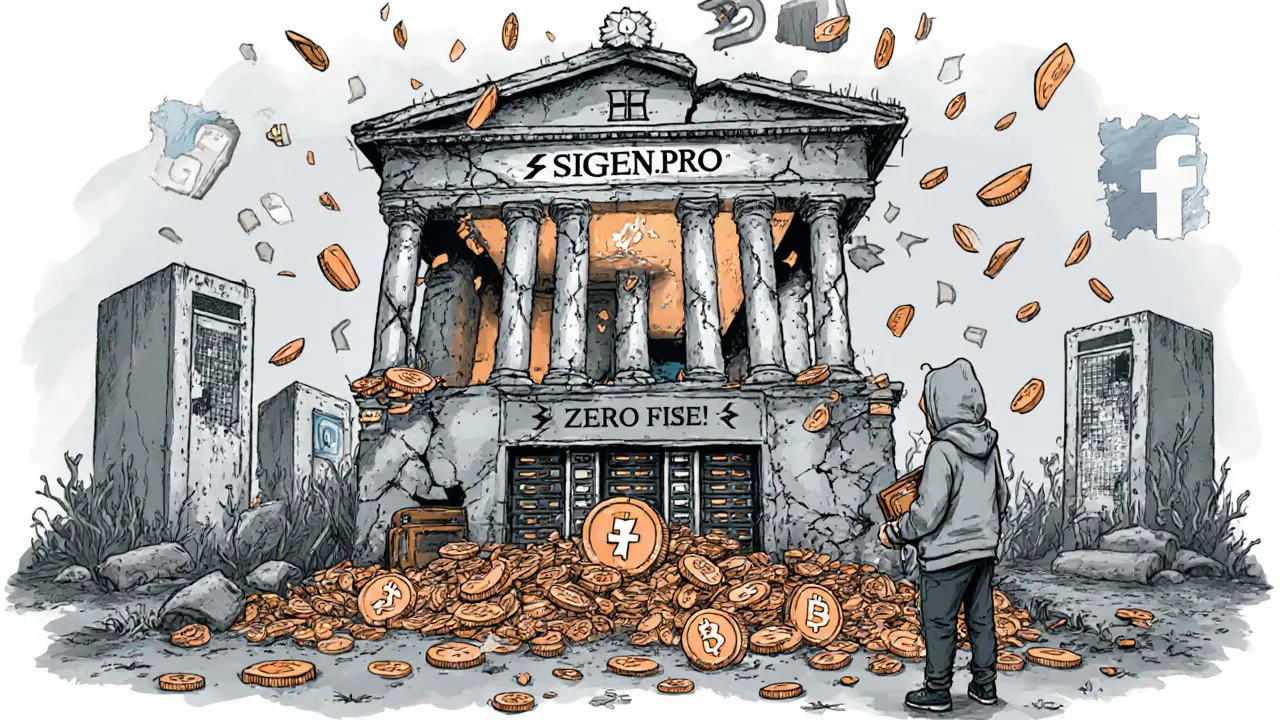
When you use a custodial crypto exchange, a platform that holds your private keys and controls access to your cryptocurrency on your behalf. Also known as centralized exchange, it acts like a bank for your digital assets—except without FDIC insurance. You sign up, deposit funds, trade, and withdraw—but the exchange owns the keys. That’s convenient if you’re new, but it’s also the #1 reason people lose crypto to hacks, scams, or platform failures.
Every crypto exchange, a platform where you buy, sell, or trade digital currencies falls into one of two camps: custodial or non-custodial. Most big names like VirgoCX, COEXSTAR, and even Poloniex (before it dropped U.S. users) are custodial. They make trading easy: you click "Buy Bitcoin," and it shows up in your account. But if the exchange gets hacked—or shuts down like Coinfloor did—you’re out of luck unless they have insurance. That’s why KYC crypto, the process of verifying your identity to comply with financial regulations exists: regulators demand it to track money, and exchanges follow to stay legal. But that also means they have your ID, your email, your bank details—and your crypto.
Some users think custodial means safe. It doesn’t. VirgoCX offers strong security and free e-Transfers, but it still holds your keys. Ethfinex has low fees and transparency, but no credit card support. And then there’s Wavelength—fake, no audits, no users. Scams thrive where trust is assumed. Even legit exchanges like AlphaX shut down overnight, locking users out. If you don’t control the keys, you don’t control your money. That’s the core truth.
So why do people still use custodial exchanges? Because they’re simple. You don’t need to learn MetaMask, seed phrases, or gas fees. You just log in and trade. For beginners, that’s worth the risk. But if you’re holding more than a few hundred dollars, or you care about privacy, you’re better off moving to a non-custodial wallet after buying. The posts below cover real platforms, real risks, and real stories—from Canada’s VirgoCX to the Philippines’ COEXSTAR, from exchanges that vanished to ones that still work. You’ll see who’s trustworthy, who’s shady, and what happens when the middleman disappears. No fluff. Just what you need to decide: trust them, or take control yourself.