
Have you ever heard of Zerogoki? If not, you're in good company. It's one of those niche projects that pops up in the deepest corners of crypto Twitter, promising revolutionary tech but delivering... well, silence. The name itself is a nod to Japanese pop culture-specifically the experimental Unit-00 from Evangelion-which sets the tone for what this project actually is: a prototype.
If you're here because you saw rumors about a REI token airdrop, I have some news that might save you some time and gas fees. As of late 2026, the situation with Zerogoki is murky at best. Let's break down exactly what this project is, why the airdrop details are so scarce, and whether it's worth your attention or if you should move on to the next shiny object.
What Exactly Is Zerogoki?
To understand the potential airdrop, you first need to understand the platform. Zerogoki isn't a standalone blockchain; it's a leveraged token minting platform deployed on Ethereum. Think of it as a sandbox experiment derived from the larger Duet Protocol. While Duet Protocol focuses on synthetic assets broadly, Zerogoki is its "Lite" version-a pilot program designed to test specific mechanics under harsh conditions.
The core idea? Algorithmic pegging. Users can use the protocol token, REI, to mint leverage tokens against traditional assets like gold, foreign exchange, or bonds. Alternatively, they can use zUSD (a synthetic dollar) to buy these assets directly. But here’s the kicker: the system deliberately runs on the expensive, slow Ethereum mainnet. Why? To stress-test whether the underlying Duet Protocol architecture can survive high transaction costs and network congestion. It’s less about user experience and more about engineering resilience.
The REI Token: Name Game and Reality Check
The token associated with this project is REI. The name comes from the Japanese pronunciation of "zero" (れい), reinforcing the "prototype" theme. But don’t confuse this REI with the REI Network, which is a completely separate blockchain known for fast transactions and staking rewards. That confusion has tripped up many investors looking for easy money.
Here is the hard data that makes most airdrop hunters nervous:
- Live Price: $0 USD
- 24-Hour Trading Volume: $0 USD
- Total Supply: 0 REI
- Circulating Supply: 0 REI
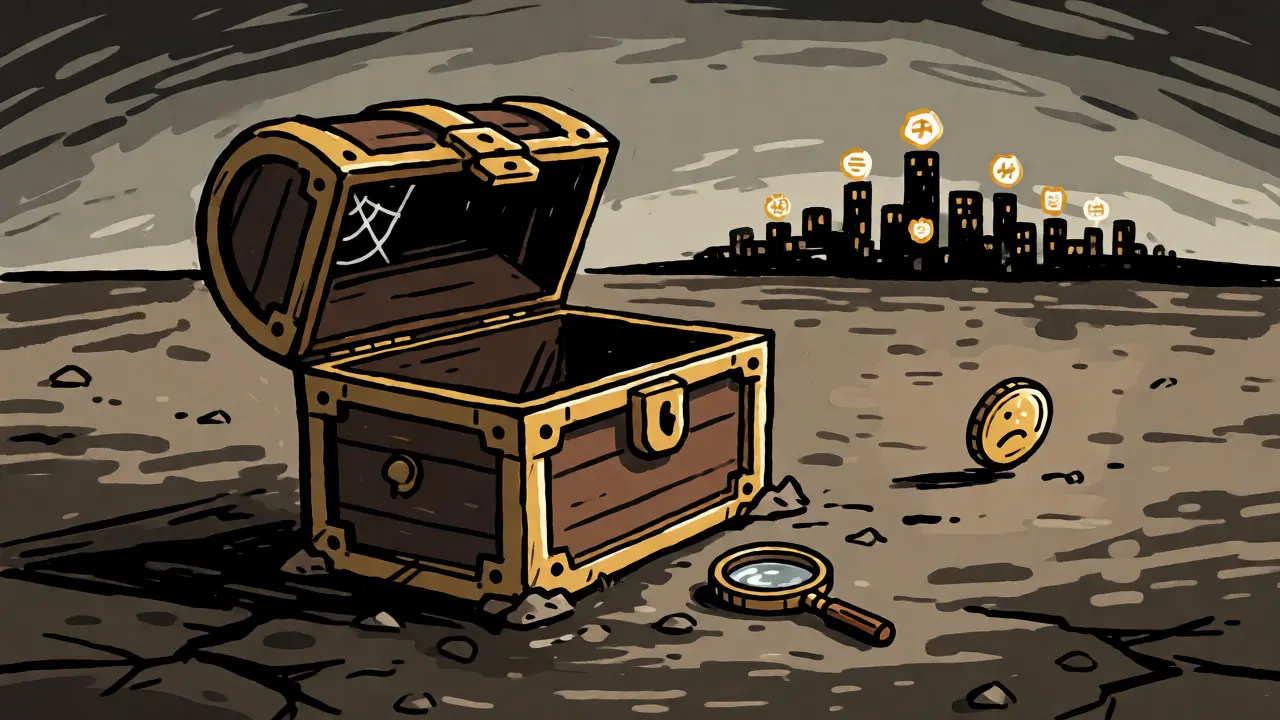
You read that right. Zero supply. Zero volume. On major aggregators like CoinMarketCap and Binance, Zerogoki currently registers as a ghost town. This suggests one of three things: the token hasn't launched yet, it was discontinued, or it remains in a pre-launch experimental phase where tokens exist only in theory or internal ledgers.

Why Is There No Clear Airdrop Info?
Usually, when a project hints at an airdrop, you see a flurry of activity: snapshot dates, eligibility criteria, claiming portals, and social media hype. With Zerogoki, you get crickets. The lack of specific details regarding the REI token airdrop schedule, distribution mechanisms, or allocation amounts points to a project that is either inactive or extremely low-profile.
This absence of information is a red flag for several reasons:
- No Community Engagement: There are no active discussions on Reddit, Telegram, or Discord driving the narrative.
- Missing Documentation: Standard whitepaper updates or roadmap announcements detailing the airdrop are hard to find.
- Experimental Status: Since Zerogoki is explicitly labeled a "pilot" or "experimental model," the developers may never intend to distribute tokens to the public in a traditional sense.
If an airdrop did happen, it likely targeted early testers who interacted with the Lite-minting module during specific beta windows. But without official confirmation, any claim of "free REI tokens" circulating online is likely speculative or referring to a different project entirely.
Distinguishing Zerogoki from Other "REI" Projects
The crypto space is notorious for naming collisions. Before you chase airdrop rumors, ensure you aren't mixing up projects. Here is how Zerogoki stacks up against other entities using similar names:
| Feature | Zerogoki (REI) | REI Network | Generic Meme Coins |
|---|---|---|---|
| Primary Function | Leveraged token minting (Synthetic Assets) | Layer-1 Blockchain | Speculative/Meme value |
| Token Status | $0 Price / 0 Supply (Inactive/Pre-launch) | Active / Listed on exchanges | Varies widely |
| Airdrop Likelihood | Low/Unclear (No official info) | Staking Rewards (APR based) | High (Marketing driven) |
| Parent Project | Duet Protocol | Independent | Various |
Notice the stark difference. REI Network offers tangible utility and staking rewards. Zerogoki offers... potential future utility that hasn't materialized in market terms yet. If you are hunting for immediate returns, Zerogoki is a long shot.
Is It Worth Waiting For?
So, should you keep an eye on Zerogoki? It depends on your risk tolerance and what you're looking for.
Reasons to wait:
- Tech Validation: If Duet Protocol succeeds, the lessons learned from Zerogoki could lead to better synthetic asset platforms in the future.
- Hidden Gems: Sometimes, quiet projects launch surprisingly successful tokens later. If REI launches, early participants might be rewarded.
Reasons to skip:
- Opportunity Cost: Time spent researching a zero-volume token is time not spent on active projects.
- Gas Fees: Interacting with Ethereum-based experiments can be costly if you're trying to qualify for a hypothetical snapshot.
- Uncertainty: Without a clear roadmap, you're gambling on a coin flip.
My advice? Treat Zerogoki as a science experiment, not an investment vehicle. Keep an eye on the Duet Protocol ecosystem instead. If Zerogoki revives, it will likely be announced through Duet's channels. Until then, assume the REI airdrop is either non-existent or strictly limited to a handful of early beta testers.
Final Thoughts
The story of Zerogoki is a cautionary tale about the "experimental" label in crypto. Just because a project has cool branding and a solid technical parent doesn't mean it will deliver mass-market appeal or lucrative airdrops. The current metrics-zero price, zero supply, zero volume-tell the true story. Don't let nostalgia for Evangelion references or hopes for quick gains blind you to the lack of activity.
If you are already holding REI from an old interaction, check your wallet carefully. If you haven't interacted yet, proceed with extreme caution. In the world of crypto, silence usually means one thing: there's nothing new happening.
Is the REI token by Zerogoki tradable?
Currently, no. Major exchanges like Binance and CoinMarketCap list the price at $0 with $0 trading volume, indicating it is not actively traded on open markets.
How do I claim my Zerogoki REI airdrop?
There is no widely publicized claiming process available as of late 2026. Most users report that no official portal exists for general claims, suggesting the airdrop may have been limited to early beta testers or never fully executed.
Is Zerogoki related to REI Network?
No, they are distinct entities. Zerogoki is an experimental synthetic asset platform linked to Duet Protocol, while REI Network is a separate Layer-1 blockchain project with its own native token and ecosystem.
What is the total supply of REI tokens?
Data sources currently report a total supply of 0 REI and a circulating supply of 0 REI, implying the token has not been minted into circulation or the data is outdated/inactive.
Should I invest in Zerogoki now?
Given the zero-value metrics and lack of recent development news, it is highly speculative. It is generally considered safer to look for projects with active trading volumes and clear roadmaps.