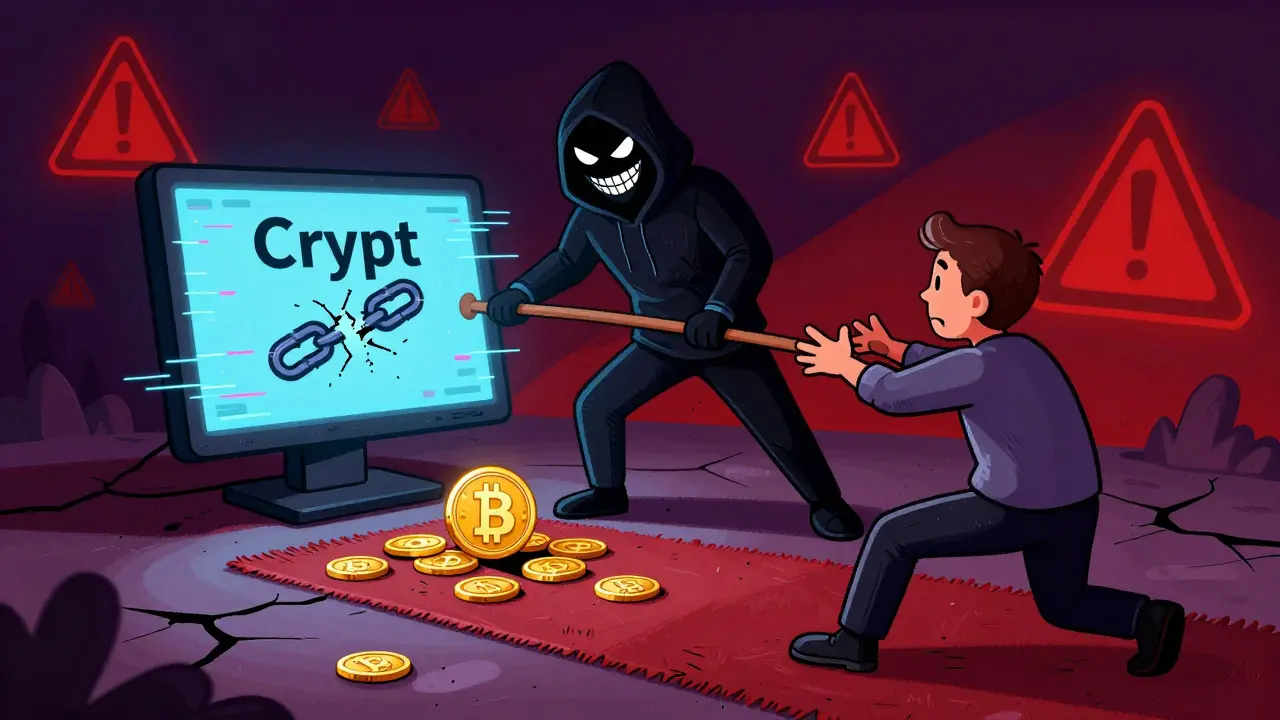
You found xCrypt, a name that sounds promising in the crowded world of digital assets. You might be looking for a new place to trade, hoping for better fees or hidden gems. But before you type in your password or deposit a single dollar, stop. The reality behind this platform is not what you expect. Based on regulatory data and user reports, xCrypt-specifically associated with the domain xcrypto.global-is flagged as a fraudulent operation.
This isn't just a bad review from an unhappy trader. This is a warning from financial regulators. If you are considering using this platform, you need to understand why it appears on official scam trackers and how to protect your funds by choosing legitimate alternatives.
The Red Flags: Why xCrypt Is Listed as Fraudulent
When evaluating any crypto exchange, trust is the currency that matters most. With xCrypt, that trust is non-existent. The California Department of Financial Protection and Innovation (DFPI) maintains a public database known as the Crypto Scam Tracker. This tool helps consumers identify platforms that have engaged in deceptive practices. In this database, the domain xcrypto.global is explicitly listed as a fraudulent trading platform.
The classification here is critical. It falls under "Fraudulent Trading Platforms" and "Investment Group Scams." These categories indicate that the platform likely manipulated prices, prevented withdrawals, or simply stole deposited funds. One reported case involves a California resident who lost $1,000 through this platform before it ceased operations entirely. The site is currently non-operational, which is a classic hallmark of a "rug pull" or a shutdown after collecting enough deposits.
If a platform disappears overnight or becomes inaccessible after you deposit money, you have no recourse. There is no customer support team to call, no insurance fund to claim against, and no legal entity to sue. The DFPI’s listing serves as a definitive signal: do not engage with this entity.
How to Spot a Fake Crypto Exchange
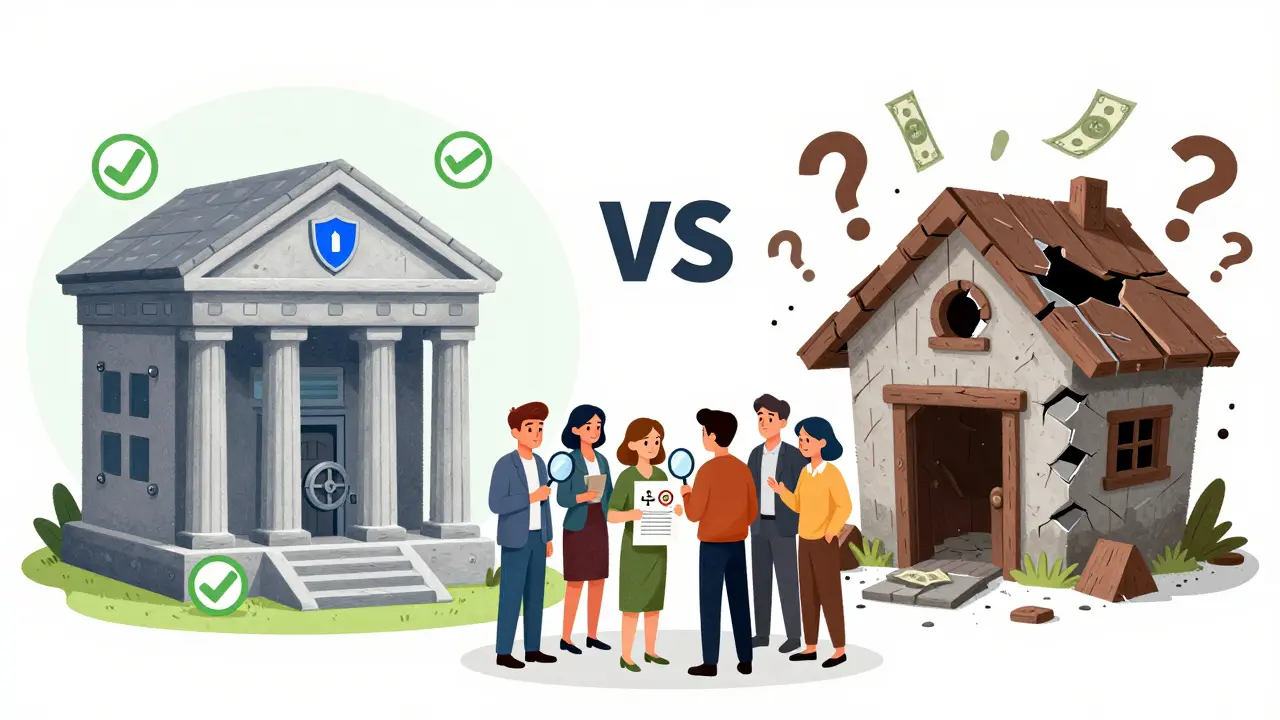
Fraudulent platforms like xCrypt often mimic the look and feel of legitimate exchanges. They use professional designs, promise high returns, and offer popular cryptocurrencies. However, there are specific signs that distinguish a scam from a secure broker. Recognizing these patterns can save you significant financial loss.
- Lack of Regulatory Compliance: Legitimate exchanges register with financial authorities. In the US, they register with the SEC or FinCEN. In Europe, they comply with MiCA regulations. xCrypt has no such registrations. Instead, it appears on regulator blacklists.
- Anonymous Ownership: Reputable companies list their leadership teams, physical office addresses, and corporate registration numbers. Scam platforms often hide behind shell companies or provide fake address details that lead to empty lots.
- Unrealistic Promises: If a platform guarantees daily profits or offers leverage that seems too good to be true, it is likely a trap. Legitimate markets fluctuate; no one can guarantee consistent gains without extreme risk.
- Poor Withdrawal Processes: Many users report being able to deposit easily but facing endless delays, hidden fees, or impossible verification requirements when trying to withdraw. This is designed to lock your funds in while the operators drain liquidity.
- Domain Instability: Notice how xCrypto.global is now non-operational. Scam sites often change domains frequently or shut down completely once they have extracted enough value from victims.
Safe Alternatives: Where to Trade Cryptocurrency in 2026
Avoiding scams is only half the battle. You still need a reliable way to buy, sell, and store cryptocurrency. Fortunately, the industry has matured significantly since the early days of unregulated wild west trading. Several established platforms offer robust security, transparent fee structures, and full regulatory compliance.
For users in the United States, the UK, and Europe, Coinbase remains a top choice. As a publicly traded company on the NASDAQ stock exchange, Coinbase provides a level of transparency that private entities cannot match. It holds extensive regulatory licenses and prioritizes security, making it ideal for beginners and institutional investors alike. While fees can be higher for casual users, the peace of mind is worth the cost.
If you are looking for global access and advanced trading features, OKX serves over 100 countries. OKX emphasizes security by storing 95% of user funds in multi-signature cold wallets. Private keys are kept in RAM rather than permanent memory, reducing the risk of theft even if servers are compromised. This technical approach demonstrates a serious commitment to asset protection.
Another strong contender is Kraken. Known for its rigorous security protocols, Kraken has never suffered a major security breach involving user funds. Its fee structure is competitive, starting at 0.16% for makers, and it offers a wide range of trading pairs. For those seeking a balance between ease of use and depth, Kraken is a proven option.
| Feature | xCrypt (Scam) | Coinbase | OKX | Kraken |
|---|---|---|---|---|
| Regulatory Status | Blacklisted by DFPI | Publicly Traded (NASDAQ) | Global Licenses | Highly Regulated |
| Security Record | User Funds Lost | Strong Insurance | Cold Storage (95%) | No Major Breaches |
| Operational Status | Non-Operational | Active & Stable | Active & Stable | Active & Stable |
| Transparency | None | Quarterly Reports | Proof of Reserves | Proof of Reserves |
| Recommended? | Avoid Completely | Yes | Yes | Yes |
Understanding Fees and Hidden Costs
One way scammers lure users in is by advertising zero fees or extremely low spreads. However, legitimate exchanges must cover operational costs, including server maintenance, security audits, and compliance staff. Platforms like Uphold offer thousands of trading pairs with fees ranging from 0.2% to 2.95%. While this may seem high compared to a scam's "zero fee" promise, it reflects real market conditions and sustainable business practices.
Gemini operates with fees between 0.03% and 3.49%, depending on the payment method and volume. These transparent structures allow you to calculate your actual trading costs. In contrast, fraudulent platforms often hide fees in withdrawal processes or manipulate spreads so severely that you lose money on every transaction, regardless of market direction.
Decentralized Options for Privacy-Focused Users
If your concern about centralized exchanges stems from privacy issues rather than fear of scams, consider decentralized alternatives. Haveno, launched on mainnet in 2024, is a peer-to-peer exchange built on the Tor network. It allows for Monero trading without a central authority holding your funds.
While Haveno offers enhanced privacy, it comes with trade-offs. Liquidity can be lower, and the technical barrier to entry is higher. You need to install specific software and understand node operations. Unlike scam platforms that promise easy riches, decentralized tools require active participation and technical knowledge. They are legitimate because they operate openly on public blockchains, allowing anyone to verify transactions.
What to Do If You Have Already Used xCrypt
If you have already deposited funds into xCrypt or xcrypto.global, act immediately. First, attempt to withdraw all available balances. Document every step, including screenshots of error messages, emails from support, and transaction IDs. If the site is down, gather any evidence of communication with the platform.
Report the incident to local law enforcement and relevant financial regulators. In the US, file a complaint with the Federal Trade Commission (FTC) and the Commodity Futures Trading Commission (CFTC). In California, you can add your report to the DFPI tracker. While recovering funds from a closed scam platform is difficult, reporting it helps authorities track patterns and potentially recover assets for other victims.
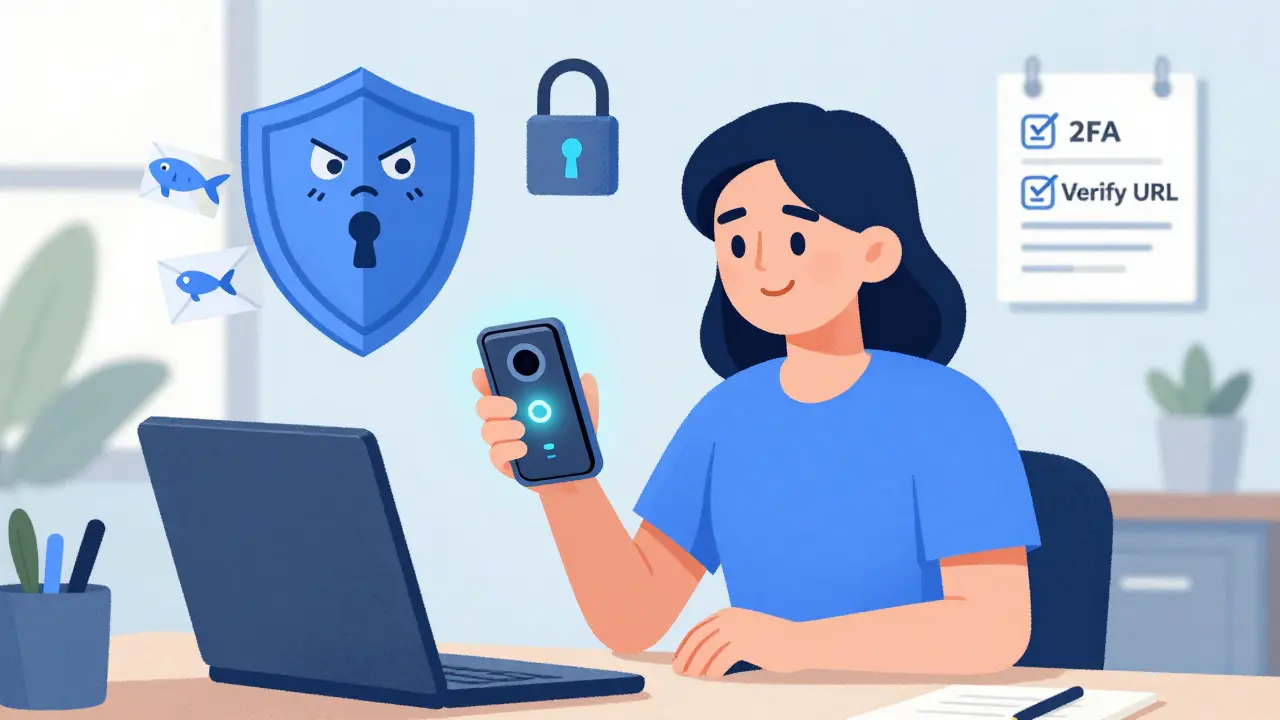
Change passwords for any accounts where you used the same credentials. Enable two-factor authentication (2FA) on all your financial accounts, preferably using an authenticator app rather than SMS. Monitor your credit report for unusual activity, as some scams involve identity theft alongside financial fraud.
Building a Secure Crypto Routine
Protecting yourself in the crypto space requires more than just avoiding one bad platform. It involves building habits that prioritize security and due diligence. Always verify the URL of an exchange before logging in. Bookmark the official websites of reputable exchanges to avoid phishing links that appear in search results.
Use hardware wallets for long-term storage. Even if an exchange is hacked, your funds remain secure if they are stored in a device you control. Brands like Ledger and Trezor are industry standards for self-custody. Never share your seed phrase or private keys with anyone, including customer support agents. Legitimate exchanges will never ask for this information.
Stay informed about regulatory updates. The landscape changes rapidly, especially with new laws emerging in 2025 and 2026. Following official announcements from bodies like the SEC, CFTC, and European Banking Authority ensures you are aware of which platforms are compliant and which are operating in gray areas.
Is xCrypt a legitimate crypto exchange?
No. xCrypt, associated with the domain xcrypto.global, is listed as a fraudulent trading platform by the California Department of Financial Protection and Innovation (DFPI). It is considered a scam and should be avoided.
Why was xCrypt shut down?
The platform ceased operations after being identified as a fraudulent scheme. Users reported losing funds, and regulatory bodies classified it as a scam. The shutdown is typical behavior for fraudulent platforms that disappear after collecting deposits.
What are safe alternatives to xCrypt?
Safe alternatives include regulated exchanges like Coinbase, OKX, Kraken, and Uphold. These platforms offer transparent fee structures, strong security measures, and compliance with financial regulations.
Can I recover my money if I lost funds on xCrypt?
Recovery is difficult once a scam platform shuts down. You should report the loss to local law enforcement and financial regulators like the FTC or DFPI. Gather all evidence of transactions and communications to support your report.
How do I check if a crypto exchange is a scam?
Check regulatory databases like the DFPI Crypto Scam Tracker. Look for transparent ownership, clear fee structures, and positive user reviews on independent forums. Be wary of platforms promising guaranteed returns or lacking proper licensing.
Is it safe to use decentralized exchanges like Haveno?
Yes, decentralized exchanges like Haveno are legitimate as they operate on public blockchains without central control. However, they require technical knowledge and may have lower liquidity compared to centralized exchanges.