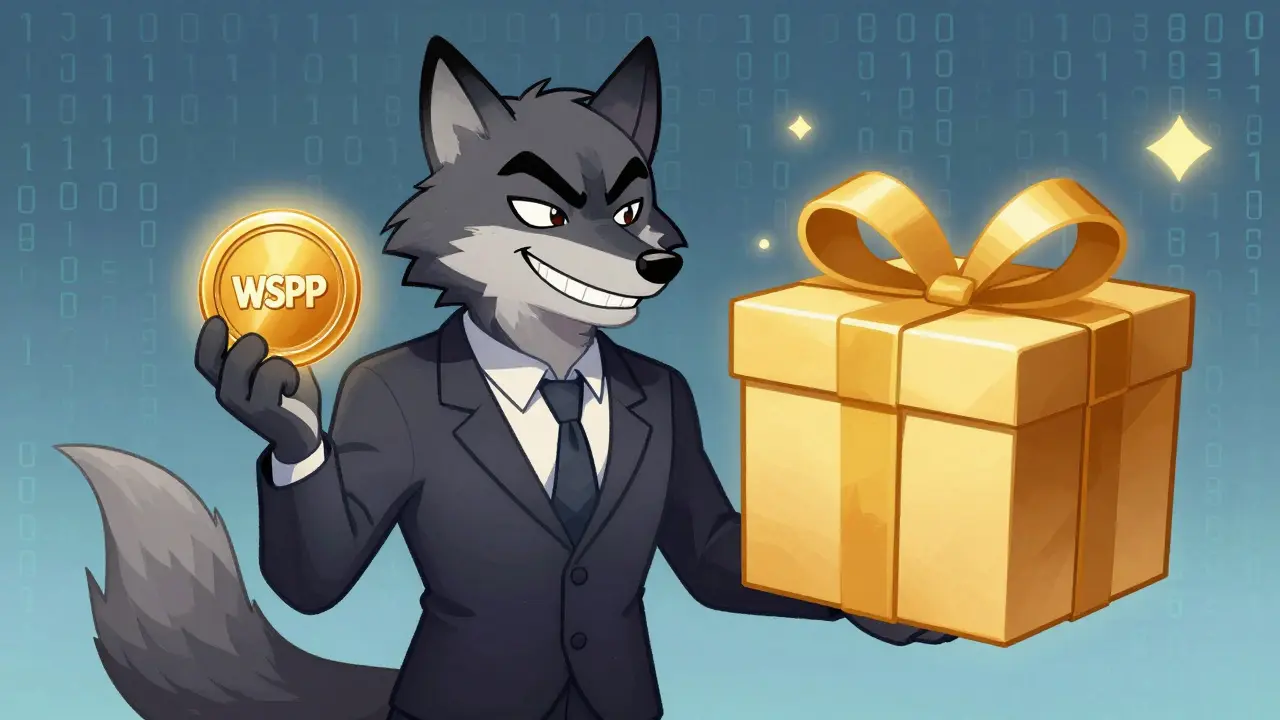
When we talk about an airdrop, the goal is usually to distribute tokens to early adopters to build a community. But with WSPP, the reality is far from a generous gift. Based on current market data, there is no verifiable evidence of an official, legitimate airdrop program hosted by the project developers. In fact, most warnings from security experts suggest that any "airdrop" links you find for WSPP right now are likely phishing attempts designed to drain your wallet.
What exactly is Wolf Safe Poor People (WSPP)?
Wolf Safe Poor People is a cryptocurrency project that markets itself as a tool to reduce global poverty. It operates across two different networks: the Binance Smart Chain (BSC) and Polygon. On paper, it claims to use decentralized applications (DApps) and peer-to-peer networks to distribute aid, but the technical reality doesn't match the marketing.
The tokenomics are the first major red flag. WSPP has a circulating supply of roughly 13.5 quadrillion tokens. To put that in perspective, that is an astronomical amount of supply for a project claiming to have real-world utility. Because the supply is so high, the price is incredibly low-often less than $0.0000000001 per token. This structure is a classic hallmark of "meme coins" or, more dangerously, pump-and-dump schemes where a few early holders crash the price on unsuspecting new investors.
Comparing WSPP to Legitimate Social Impact Projects
It's easy to get swept up in the idea of "blockchain for good," but there is a massive difference between a project with a fancy name and one with a proven track record. Legitimate projects provide transparent audits, quarterly impact reports, and verifiable proof of funds transferred to people in need.
| Feature | Wolf Safe Poor People (WSPP) | Established Charity Projects (e.g., GiveDirectly) |
|---|---|---|
| Transparency | Low; claims of audits without public reports | High; detailed public financial statements |
| Impact Proof | None; no documented poverty relief cases | Verifiable; millions distributed to verified users |
| Tokenomics | Quadrillion supply; extreme price volatility | Stable valuations or direct fiat-to-crypto transfers |
| Exchange Status | Not listed on major exchanges | Integrated with reputable payment gateways |
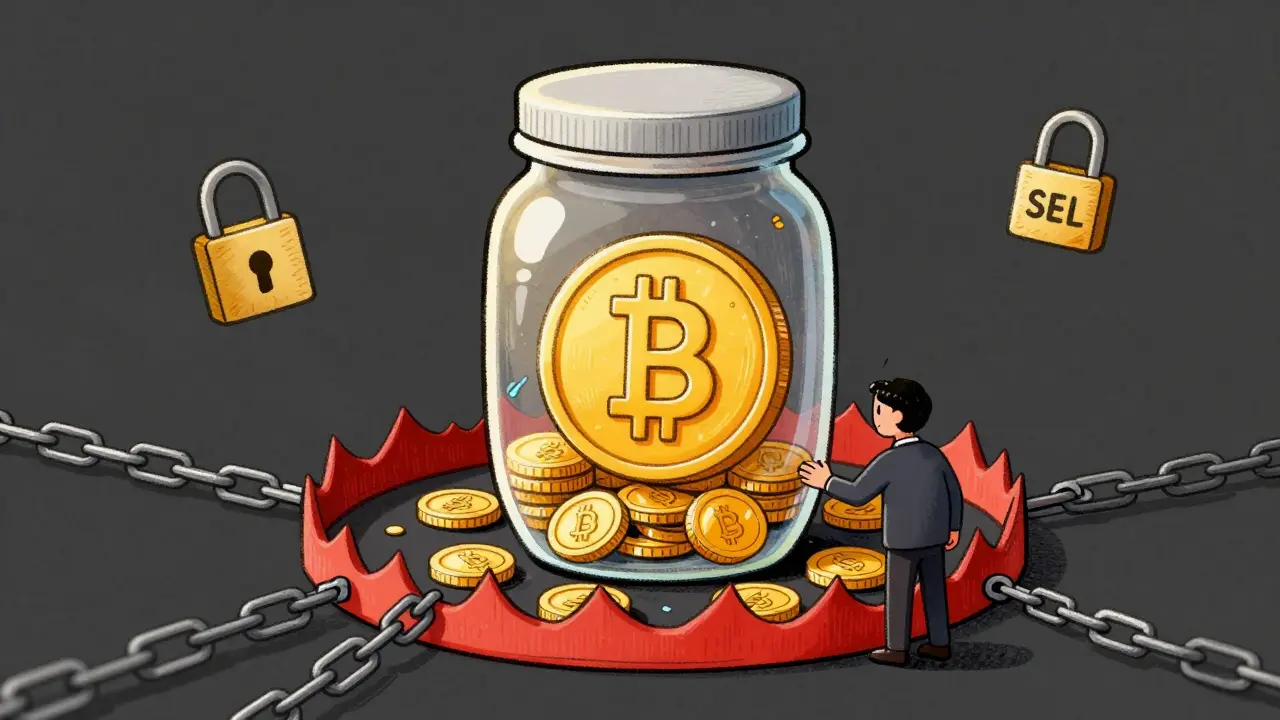
The Danger Zone: Why the Airdrop is a Red Flag
In the crypto space, a fake airdrop is one of the oldest tricks in the book. Scammers create a sense of urgency, telling you that you're eligible for free tokens, but require you to "authenticate" your wallet by signing a transaction. Once you click that button, you aren't claiming tokens-you're giving the scammer permission to empty your account.
WSPP is not listed on reputable airdrop tracking platforms like Airdrop Alert or CoinMarketCap's official airdrop section. When a project with such low liquidity and a crashing price suddenly promises "free money," it's almost always a trap. Chainalysis reported a 41% increase in these specific types of airdrop scams in late 2025, and WSPP fits the profile perfectly: high-concept promises, low technical transparency, and a total lack of institutional support.
Technical Red Flags and User Experiences
If you've tried to trade WSPP, you might have noticed something strange about the selling process. Several users on the Binance Community forums have warned that the smart contract may contain "hidden taxes." In some cases, these taxes can exceed 95%, meaning that even if the price of the token goes up, you can't actually take your profit out. This is known as a "honeypot" scam.
Furthermore, the project's primary communication happens on a Telegram group called @robowolfproject. Unlike professional projects that maintain active GitHub repositories where developers upload code for public review, WSPP relies on closed-room chats. This lack of open-source development makes it impossible for independent security researchers to verify if the "poverty reduction" code even exists.

How to Spot Similar Scams in the Future
Whether it's WSPP or another "charity" token, you can protect yourself by following a few simple rules of thumb. First, check the supply. If a token has quadrillions of units and a price with ten zeros after the decimal, it's designed for speculation, not stability. Second, look for the "Audit." A project saying they were "audited by Solidity Finance" isn't enough; you need to be able to read the actual PDF report and see the specific vulnerabilities that were fixed.
Third, verify the exchange. Legitimate projects strive to get listed on reputable platforms to ensure liquidity. If a token is only available on a obscure decentralized exchange (DEX) and requires you to manually enter a complex contract address, be extremely cautious. The complexity is often a barrier to prevent you from realizing the liquidity is too low to ever sell your tokens.
Is the WSPP airdrop safe to participate in?
No. There is no verifiable official airdrop for WSPP. Most links claiming to offer WSPP tokens for free are phishing scams designed to steal your private keys or drain your crypto wallet. Avoid connecting your wallet to any site promising a WSPP airdrop.
Can I sell WSPP tokens if I already have them?
It may be very difficult. Reports from users indicate that the WSPP smart contract may have extremely high sell taxes (sometimes over 95%), which effectively traps your funds. Additionally, the very low trading volume makes it hard to exit a position without crashing the price further.
Does WSPP actually help poor people?
There is no documented evidence, partnership, or financial report showing that WSPP has distributed any funds to poverty relief. Unlike established blockchain charities, WSPP lacks transparency regarding its fund allocation and impact metrics.
What blockchain networks does WSPP use?
WSPP operates on the Binance Smart Chain (BSC) and the Polygon network. However, the market cap and trading volume on the Polygon version are significantly lower than the BSC version, indicating very little interest or liquidity.
How can I tell if a charity token is a scam?
Look for three things: transparent, third-party audited financial reports; a reasonable token supply (not quadrillions); and a clear, verifiable track record of real-world impact with specific data and case studies.
What to do if you've interacted with a WSPP airdrop site
If you already connected your wallet to a site promising a WSPP airdrop, you need to act fast. The most important step is to move your remaining assets to a completely new wallet address immediately. Your old wallet is now compromised, and the scammers may have a "backdoor" or approval to spend your tokens.
Next, check your wallet for any "token approvals" you may have granted. Use a tool like Revoke.cash to see which contracts have permission to move your funds and revoke them all. Finally, change your passwords and enable two-factor authentication (2FA) on all your exchange accounts. Remember, once crypto is sent to a scammer, it is nearly impossible to recover, so prevention is your only real defense.