Have you ever scrolled through a list of cryptocurrencies and seen a name that sounds like it belongs in a fantasy novel, only to find out it’s just another meme coin? That’s exactly what happens with Tokabu. If you are wondering "what is Tokabu (TOKABU) crypto coin," the short answer is: it is a high-risk, low-utility meme token on the Solana blockchain. It doesn’t build apps, it doesn’t secure networks, and it certainly isn’t backed by gold. Instead, it sells a vibe-specifically, the "Spirit of Gambling."
In the world of crypto, especially on fast-moving chains like Solana, thousands of new tokens launch every day. Most vanish within hours. Tokabu is one of those tokens. Before you put even a single dollar into this project, you need to understand exactly what you are buying, where it lives, and why experts consider it extremely dangerous for your wallet.
The Story Behind the Token: Spirit of Gambling
To understand Tokabu, you have to look past the charts and look at the branding. The creators didn’t try to sell a technology. They sold an identity. According to its official description across platforms like OpenSea and CoinMarketCap, Tokabu is branded as "The Spirit of Gambling." It positions itself as a symbolic badge for people who love risk, chance, and the chaos of crypto markets.
This is a classic meme coin strategy. Unlike Bitcoin, which aims to be digital gold, or Ethereum, which powers smart contracts, Tokabu has no functional utility. It is purely speculative. You buy it hoping someone else will pay more for it later, driven by hype, humor, or the thrill of the gamble itself. The narrative suggests that holding TOKABU makes you part of a community that embraces uncertainty. But remember: in finance, embracing uncertainty without a safety net usually leads to losses.
Does Tokabu have any real-world use cases?
No. Tokabu is a pure meme token with no utility, staking rewards, or governance features. Its only purpose is speculative trading and community signaling.
Technical Specs: Where Does Tokabu Live?
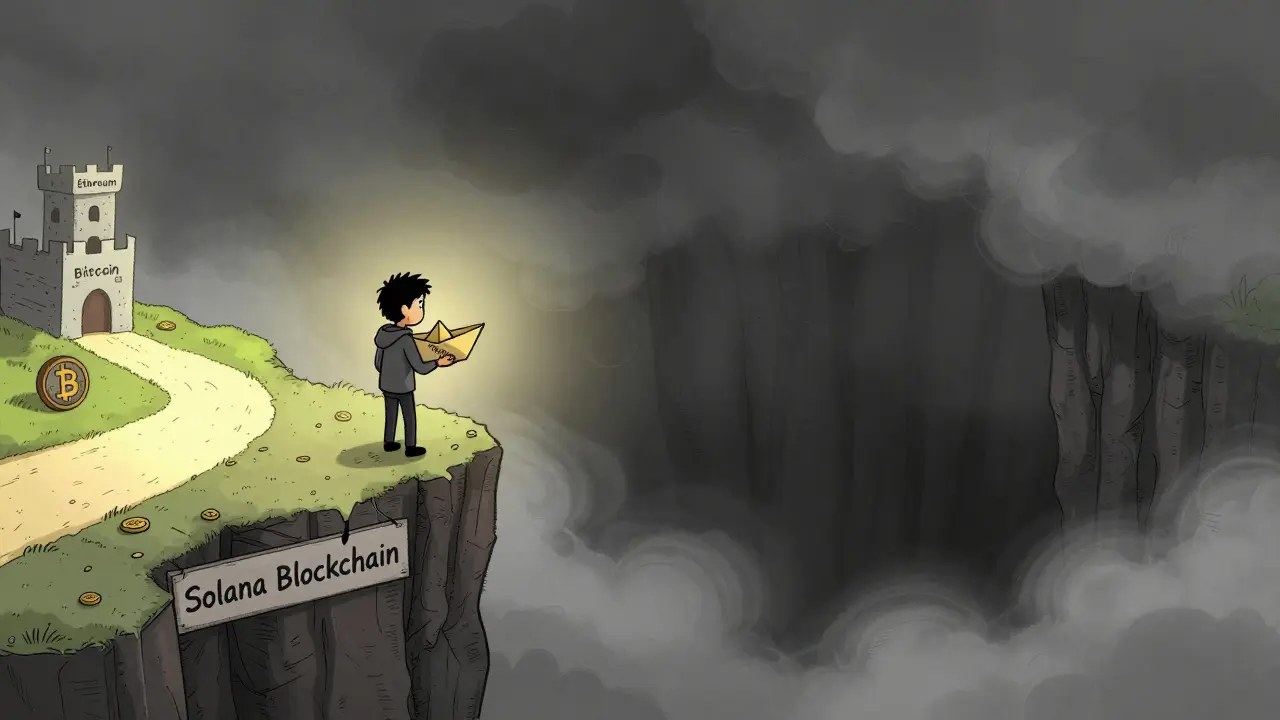
If you decide to explore Tokabu, you need to know the technical playground it operates in. Tokabu is built on the Solana blockchain, known for its speed and low transaction fees. This is crucial because meme coins rely on rapid trading. If transactions cost $5 each, most traders won’t bother. On Solana, fees are often fractions of a cent.
Specifically, Tokabu was launched using pump.fun. This platform is famous-and infamous-for allowing anyone to create a token in minutes without coding skills. While this democratizes creation, it also floods the market with low-quality projects. Pump.fun acts as a launchpad where tokens start with very low liquidity. If enough people buy in, the token graduates to larger decentralized exchanges. If not, it dies there.
Here are the key technical attributes of the TOKABU token:
- Blockchain: Solana
- Launch Platform: pump.fun
- Token Type: SPL Token (Solana Program Library)
- Decimals: 18 (This means prices are displayed with many zeros)
- Total Supply: Discrepancies exist, but estimates range from hundreds of billions to quadrillions due to decimal formatting errors on tracking sites.
The high number of decimals (18) is a common source of confusion. When you see a price like $0.000000000000013, it looks tiny, but you are likely holding millions or billions of tokens. Always check the total supply and circulating supply carefully before buying, as different data aggregators often report conflicting numbers for micro-cap tokens like Tokabu.
Market Reality: Price, Volume, and Liquidity Risks
Let’s talk about the money. Or rather, the lack of it. As of mid-2026, Tokabu is considered a "micro-cap" cryptocurrency. Its market capitalization fluctuates wildly depending on the data source, ranging from roughly $12,000 to $25 million in some outlier reports. However, reliable trackers like CoinGecko and CoinMarketCap generally place it in the lower tier, often under $50,000.
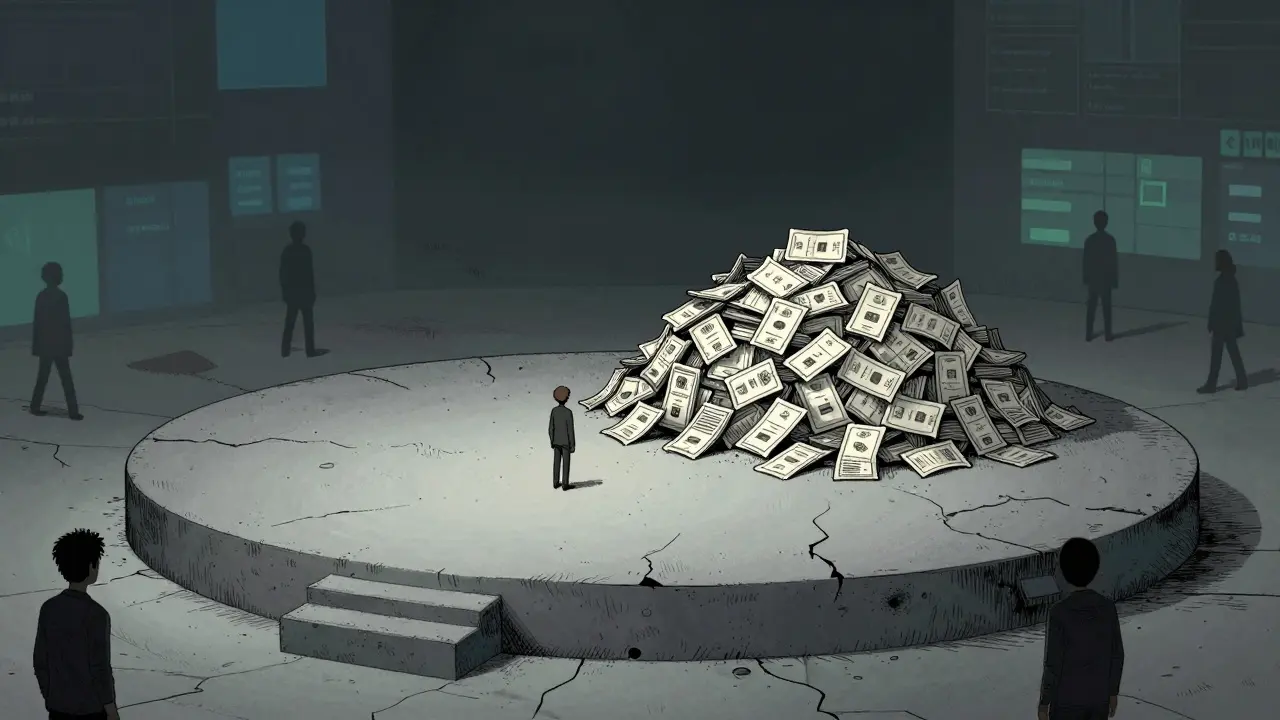
The biggest red flag for any investor is liquidity. Liquidity refers to how easily you can sell your tokens for cash (or SOL). For Tokabu, liquidity is virtually non-existent. Some platforms report $0 in 24-hour trading volume. What does this mean for you? It means if you buy $100 worth of Tokabu, you might not be able to sell it back. There may simply be no buyers waiting on the other side.
| Metric | Tokabu (TOKABU) | Dogecoin (DOGE) | Shiba Inu (SHIB) |
|---|---|---|---|
| Market Cap Category | Micro-Cap (<$50K) | Large Cap ($10B+) | Large Cap ($4B+) |
| Liquidity | Extremely Low / Non-existent | High | High |
| Utility | None (Meme Only) | Payments/Tips | Ecosystem/DeFi |
| Risk Level | Extreme (99% Loss Likely) | Medium-High | Medium-High |
| Exchange Listings | DEX Only (pump.fun) | All Major CEXs | All Major CEXs |
Compare Tokabu to giants like Dogecoin or Shiba Inu. Those tokens have billions in market cap and trade on major exchanges like Binance and Coinbase. Tokabu trades only on decentralized platforms. This isolation makes it incredibly vulnerable to price manipulation and sudden crashes.
The Danger Zone: Why Experts Warn Against Micro-Caps
You might think, "I’ll just bet small and hope for a 100x return." It’s a tempting thought. But the data paints a grim picture. Industry analysis from late 2025 indicates that over 92% of tokens launched via pump.fun with market caps under $100,000 fail within 30 days. Many become completely illiquid within two weeks.
Why do they fail? Several reasons:
- No Development Team: Most pump.fun tokens are anonymous. Once the initial hype fades, there is no team to build features or market the coin.
- Concentrated Holdings: Often, a few wallets hold the majority of the supply. If they sell, the price crashes to zero instantly.
- Regulatory Risk: The SEC and other global regulators are cracking down on unregistered securities. Tokens with no utility, marketed purely for speculation, are prime targets for scrutiny.
User feedback on forums like Reddit reflects this reality. Discussions around Tokabu often describe it as a "ghost token"-a project that looks active but has no real engagement. While some users enjoy the short-term thrill of a quick trade, the consensus among experienced crypto investors is clear: avoid tokens with no liquidity and no roadmap.
How to Buy Tokabu (If You Insist)
I am not advising you to buy Tokabu. I am telling you how it works so you aren’t caught off guard. If you still want to participate in this high-risk experiment, here is the process:
- Get a Solana Wallet: Download a wallet like Phantom or Solflare. Secure your seed phrase offline. Never share it.
- Fund with SOL: Buy Solana (SOL) on a reputable exchange and send it to your wallet. You need SOL to pay for gas fees and to swap for TOKABU.
- Connect to pump.fun: Go to the pump.fun website and connect your wallet. Search for "Tokabu" or "TOKABU."
- Swap Carefully: Use the swap function to exchange SOL for TOKABU. Be aware that slippage (the difference between expected and actual price) can be high due to low liquidity.
- Verify the Contract Address: Always double-check the contract address against official sources. Scammers often copy names and create fake tokens.
Remember, once you buy, selling is not guaranteed. You could be left holding tokens worth less than the transaction fee required to move them.
Is Tokabu a Scam?
Defining a "scam" in the meme coin world is tricky. If the creators didn’t promise false utility or steal funds directly, it might not be legally fraudulent. However, the structure of these tokens often borders on predatory. They rely on the "greater fool theory"-you buy hoping someone else will buy from you at a higher price.
When a token has no utility, no team, and no liquidity, it functions similarly to a lottery ticket. Most tickets lose. In the case of Tokabu, the odds are stacked heavily against you. The absence of a whitepaper, roadmap, or verified social media presence further increases the risk profile. Treat any investment in Tokabu as entertainment money you are prepared to lose entirely.
Final Thoughts: Play Smart or Don't Play
Tokabu (TOKABU) is a textbook example of the wild west of crypto. It captures the chaotic energy of gambling culture but offers none of the safeguards of traditional investing. It is a micro-cap meme coin on Solana, born on pump.fun, with negligible liquidity and extreme volatility.
If you are looking for long-term value, technological innovation, or safe storage of wealth, Tokabu is not for you. Look elsewhere. But if you understand the risks, have disposable income, and want to experience the raw, unfiltered side of crypto speculation, you now know what you are getting into. Just don’t say you weren’t warned.
What is the current price of Tokabu?
The price of Tokabu is extremely low, often reported in the range of $0.00000000000001 to $0.00000000000004. Due to low liquidity and data discrepancies across platforms, prices vary significantly and should not be relied upon for precise valuation.
Can I sell Tokabu easily?
Likely not. Tokabu suffers from extremely low liquidity, meaning there are few buyers on the market. Many users report being unable to sell their tokens or facing massive slippage, resulting in significant losses.
Is Tokabu listed on Binance or Coinbase?
No. Tokabu is not listed on any major centralized exchanges like Binance, Coinbase, or Kraken. It is only available on decentralized platforms like pump.fun.
Who created Tokabu?
The creators of Tokabu are anonymous. Like many meme coins launched on pump.fun, there is no public development team, company, or verified identity behind the project.
What is the total supply of TOKABU?
There are conflicting reports regarding the total supply, ranging from hundreds of billions to quadrillions. This is due to the token having 18 decimal places, which causes display errors on various tracking websites. Always verify the contract details on-chain for accuracy.