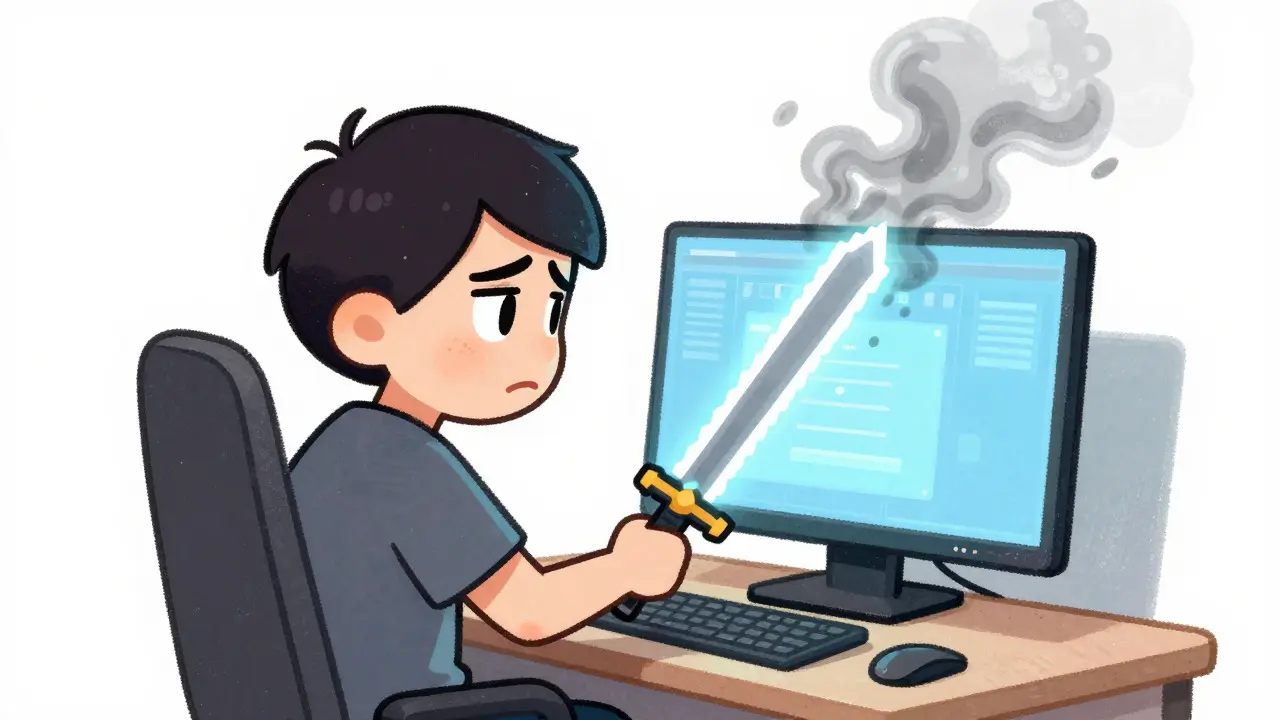
Remember when you spent hours grinding for a rare sword in an online game, only to lose it forever when the server shut down? That frustration was real because you never truly owned that item. Enjin Coin (ENJ) is a cryptocurrency designed specifically to solve this problem by giving gamers true ownership of their digital assets through blockchain technology. It acts as the backbone for creating, trading, and managing non-fungible tokens (NFTs) within video games.
If you are wondering whether ENJ is just another hype-driven token or if it actually changes how we play games, you are not alone. This guide breaks down what Enjin Coin is, how its unique backing mechanism works, and why it matters for the future of the gaming industry.
Quick Summary: Key Takeaways
- Core Purpose: ENJ is the native utility token for the Enjin ecosystem, focused on bringing blockchain technology to gaming and NFTs.
- Unique Value Proposition: Developers can back NFTs with ENJ, meaning every digital item has a guaranteed minimum value that can be recovered by "melting" the token.
- Technical Shift: In September 2023, ENJ migrated from Ethereum to its own dedicated blockchain, Enjin Blockchain, to reduce fees and increase speed.
- Utility: The token is used for minting assets, paying transaction fees, staking for network security, and governance voting.
- Ecosystem Tools: Includes the Enjin Wallet, NFT.io marketplace, and developer SDKs to integrate blockchain into games easily.
What Exactly Is Enjin Coin?
To understand ENJ, you first need to look at the company behind it. The Enjin Company was founded in 2009, originally building community tools for World of Warcraft before pivoting to blockchain technology. They launched Enjin Coin in June 2018 as an ERC-20 token on the Ethereum network. Its goal was simple but ambitious: create a system where in-game items are real assets that players can buy, sell, and trade outside of the game environment.
Unlike general-purpose cryptocurrencies like Bitcoin or Ethereum, which serve broad financial or smart contract needs, ENJ is vertical-specific. It targets the gaming industry. Think of it as the fuel for a specific engine. While Ethereum powers thousands of different apps, Enjin powers a specialized set of tools for game developers and players who want to use blockchain without dealing with complex coding.
The core idea revolves around interoperability. If you earn a helmet in one game that supports Enjin, you might be able to use that same helmet in a different game that also uses the Enjin platform. This cross-platform compatibility is rare in traditional gaming, where your inventory is locked inside a single studio’s walled garden.
How Does ENJ Work? The Backing Mechanism
This is the most important part to grasp. Most NFTs today are speculative; their value depends entirely on what someone else is willing to pay. If interest dies, the price drops to zero. ENJ introduces a safety net called ENJ-backed NFTs.
When a developer creates an NFT using the Enjin platform, they can choose to embed a certain amount of ENJ directly into the token. For example, a rare sword might be backed by 5 ENJ. Here is why that matters:
- Guaranteed Floor Price: The sword will never be worth less than the current market value of those 5 ENJ tokens. It has intrinsic value built into the code.
- Liquidity via Melting: If you decide you don’t want the sword anymore, you don’t have to hope for a buyer. You can "melt" the NFT. This process burns the NFT and releases the underlying 5 ENJ back into your wallet. You get your money back instantly.
- Scarcity: When ENJ is locked inside NFTs, it is removed from circulation. As more valuable items are created, less ENJ is available for trading, which can drive up the price of the remaining circulating supply.
This mechanism solves a major pain point in crypto-gaming: the fear of total loss. It bridges the gap between volatile crypto markets and stable asset values.
From Ethereum to Enjin Blockchain
Originally, ENJ lived on Ethereum. This gave it security and access to Ethereum’s massive user base. However, Ethereum has well-known issues: high gas fees and slow transaction speeds during peak times. For gaming, where you might want to trade items quickly or cheaply, Ethereum was often too expensive and clunky.
In September 2023, Enjin executed a major migration. ENJ moved from being an ERC-20 token on Ethereum to becoming the native coin of Enjin Blockchain, a dedicated, high-performance blockchain built using Substrate technology and optimized specifically for NFT transactions.
This new chain uses a Nominated Proof-of-Stake (NPoS) consensus mechanism. Instead of energy-intensive mining, validators secure the network by staking ENJ. This shift brought three key benefits:
- Lower Costs: Transaction fees are significantly cheaper than on Ethereum, making micro-transactions viable for in-game purchases.
- Faster Speeds: The chain is optimized for the specific data structures of NFTs, allowing for quicker minting and transfers.
- Native Integration: ENJ is now deeply integrated into the chain’s architecture, rather than just sitting on top of it as an app.
Key Use Cases for ENJ Holders
Why would you hold ENJ? It isn’t just for speculation. The token has several practical utilities within the ecosystem:
| Function | Description | Benefit to User |
|---|---|---|
| Minting NFTs | Developers lock ENJ to create digital assets. | Creates verifiable, valuable in-game items. |
| Transaction Fees | Used to pay for gas on Enjin Blockchain. | Essential for any on-chain activity. |
| Staking & Security | Holders stake ENJ to nominate validators. | Earn rewards while securing the network. |
| Governance | Vote on proposals for ecosystem development. | Influence the future direction of the platform. |
| Marketplace Trading | Buy and sell items on NFT.io. | Seamless exchange of digital goods. |
The Enjin Ecosystem: More Than Just a Token
Enjin doesn’t just rely on the coin; it provides a full suite of tools to make blockchain accessible. For a gamer or developer, these components work together:
- Enjin Wallet: A mobile app that lets users store ENJ, manage their NFTs, and even swap other cryptocurrencies. It simplifies the experience so you don’t need a hardware wallet for every small transaction.
- NFT.io: The official marketplace. If you melt an NFT or want to buy a new skin for a supported game, this is where the trade happens. It aggregates listings from across the Enjin ecosystem.
- Developer SDKs: Game studios don’t want to learn Rust or Solidity from scratch. Enjin provides Software Development Kits (SDKs) that plug into existing game engines like Unity and Unreal Engine. This lowers the barrier to entry for mainstream game developers.
- Efinity: A parachain solution on Polkadot that further enhances interoperability, allowing Enjin assets to interact with other blockchains in the Polkadot network.
Is Enjin Coin a Good Investment?
That depends on your view of the gaming industry’s adoption of Web3. As of July 2026, ENJ trades with significant volume, indicating active market interest. However, its success is tied directly to adoption by game developers.
If major studios start integrating Enjin’s SDKs to offer true ownership of skins, weapons, and characters, the demand for ENJ could rise due to its utility in minting and fees. Conversely, if gamers continue to reject blockchain integration due to complexity or environmental concerns, the utility may remain limited to niche projects.
Always consider the risk. Crypto markets are volatile. The "backing" feature protects the value of individual NFTs, but it does not protect the price of the ENJ token itself from market swings.
Comparison: Enjin vs. Other Gaming Tokens
How does ENJ stack up against competitors like Axie Infinity (AXS) or Decentraland (MANA)?
- Focus: AXS and MANA are tied to specific metaverse worlds or games. ENJ is infrastructure. It aims to power *many* games, not just one.
- Value Model: Many gaming tokens rely purely on speculation. ENJ’s backing model offers a tangible floor value for assets, which is unique in the space.
- Accessibility: Enjin focuses heavily on ease of use for both players (via the wallet) and developers (via SDKs), trying to hide the blockchain complexity.
Future Outlook and Challenges
The biggest challenge for Enjin is mass adoption. Gamers care about fun, not blockchain tech. If the integration feels seamless-where you just buy an item and own it without thinking about wallets or gas fees-Enjin succeeds. If it adds friction, it fails.
The migration to Enjin Blockchain was a step toward solving friction by lowering costs. The next steps involve convincing AAA game studios to trust the platform with their intellectual property. Partnerships and successful case studies of popular games using ENJ-backed items will be critical drivers for the token’s long-term value.
Can I use Enjin Coin on Ethereum?
Historically, yes. ENJ started as an ERC-20 token on Ethereum. However, since September 2023, the primary version of ENJ operates on the native Enjin Blockchain. While some legacy versions may still exist on Ethereum, the active ecosystem, including staking and new NFT minting, runs on Enjin Blockchain.
What happens if I melt an ENJ-backed NFT?
When you melt an NFT, the digital asset is destroyed (burned), and the ENJ tokens that were locked inside it are released back into your wallet. You receive the exact amount of ENJ that was embedded by the creator, providing liquidity and ensuring you don't lose the base value of the item.
Is Enjin Coin safe to store?
Yes, provided you use secure storage methods. You can store ENJ in the official Enjin Wallet, which is user-friendly, or in hardware wallets like Ledger or Trezor that support Enjin Blockchain assets. Always ensure you are downloading the official wallet from verified sources to avoid phishing scams.
How do I earn ENJ through staking?
You can stake ENJ by nominating validators on the Enjin Blockchain. This helps secure the network using the Nominated Proof-of-Stake consensus mechanism. In return for locking up your tokens, you earn governance rewards paid out in ENJ. The exact APY varies based on network participation and total staked amount.
Which games currently support Enjin Coin?
While many indie developers use Enjin SDKs, widespread adoption by major AAA titles is still growing. You can find supported games and items on the NFT.io marketplace. The platform is designed to be compatible with any game that integrates the Enjin SDK, regardless of the game engine used.