
Imagine sitting down today to write a note for next year’s anniversary. You capture the exact feeling of this moment-the quiet hope, the inside jokes, the way the light hits the kitchen table in the morning-and you seal it away. But here is the catch: most ways we store memories fail us over time. A physical drawer loses its contents to moving boxes or damp basements. A scheduled email from a standard provider might vanish if the account gets locked, deleted, or simply forgotten. We want our future selves-or our partners-to receive these messages exactly when planned, not months later as an apology for a technical glitch.
This is where the concept of a digital vault that operates on decentralized infrastructure rather than a single corporate server changes everything. Instead of trusting a company to keep your data alive for decades, you use a system designed to outlast any single entity. For those looking to send a letter to your future self or a loved one on a recurring schedule, tools like Vaulternal offer a way to set up an entire series of messages once, ensuring they arrive encrypted and intact, year after year.
Why Standard Scheduling Fails Over Time
We are used to scheduling emails or calendar reminders. It feels reliable because it works for the short term. If you schedule an email for next week, it arrives. But try scheduling a message for ten years from now using a standard service. The odds shift dramatically against you. Email providers change terms of service, accounts get purged for inactivity, and passwords are lost. There is no mechanism to ensure the sender still exists or that the platform hasn’t shut down.
Physical letters face similar risks. Paper yellows, ink fades, and addresses change. The romance of a handwritten note often clashes with the reality of logistics. You need a middle ground: the permanence of a sealed document with the precision of digital delivery. This requires a solution that separates the *storage* of the message from the *identity* of the service provider.
How the Anniversary Letter Series Works
The beauty of an anniversary letter series is efficiency. You don’t want to remember to write a new letter every year; life gets busy, and spontaneity fades. The goal is to batch-create emotional milestones. You sit down today and write five, ten, or even twenty letters. Each one is tagged with a specific future date-perhaps January 14th for the next decade.
To make this work reliably, the system must handle two things: secure storage and automated release. When you schedule a letter with Vaulternal, you aren’t just saving a file. You are creating a time-locked container. The platform uses a time-based trigger system. You input the content, set the recipient (which could be your future self or a partner), and define the unlock date. The system then holds the encrypted data until that precise moment arrives.
Here is the workflow:
- Drafting: Write your messages in bulk. Be specific about the context of "now" so the future reader understands the reference points.
- Scheduling: Assign each message a unique delivery date. Vaulternal allows you to update the message or recipient details before the delivery date passes, giving you flexibility if plans change.
- Encryption: The text is encrypted on your device immediately. No one, including the service provider, can read it.
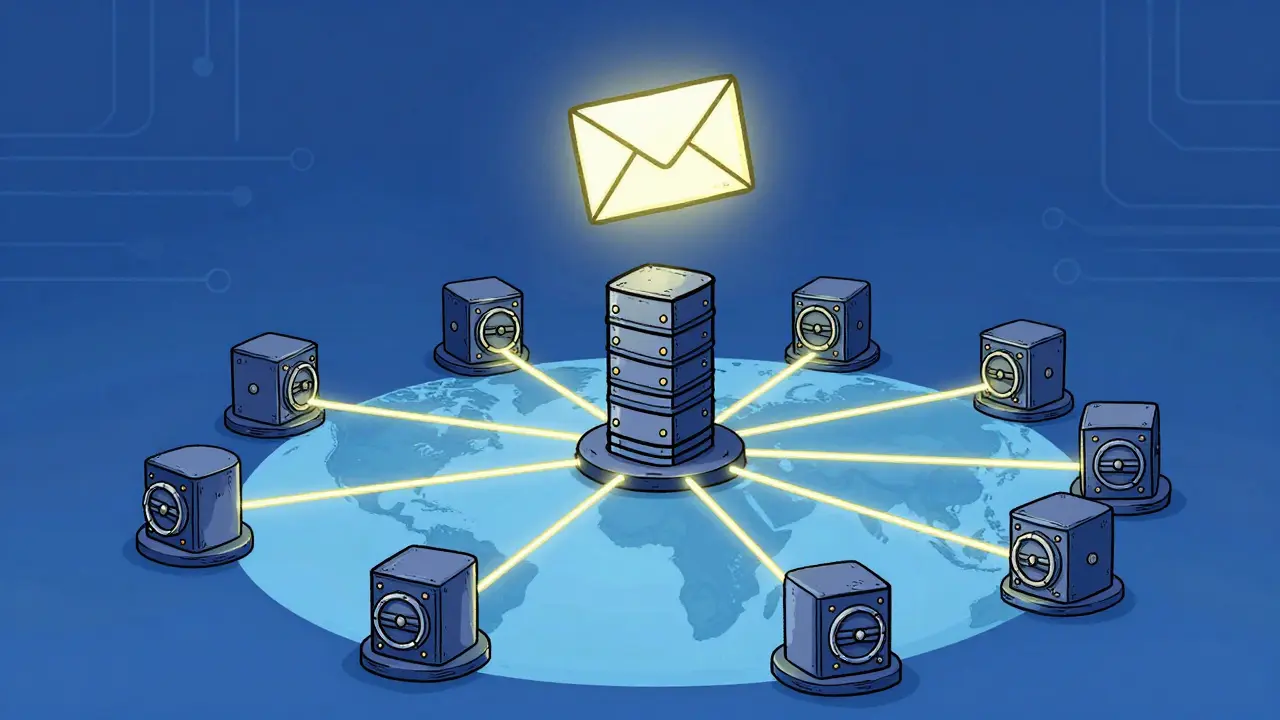
- Storage: The encrypted chunks are distributed across permanent networks, ensuring they survive long-term without relying on a single company’s survival.
The Role of Decentralized Storage in Longevity
Most cloud services are centralized. Your data lives on servers owned by one company. If that company goes bankrupt, changes policy, or suffers a catastrophic breach, your data is at risk. This is why decentralized storage is critical for messages meant to last years or decades.
Vaulternal utilizes a hybrid approach involving Arweave for permanent storage, IPFS for peer-to-peer distribution, and Polygon for on-chain metadata anchoring. Let’s break down what that means for your letter:
- Arweave: Provides a one-time payment model for permanent data storage. Unlike monthly subscriptions that lapse, this ensures the data remains accessible indefinitely.
- IPFS (InterPlanetary File System): Distributes the file chunks across a global network of nodes. There is no single point of failure.
- Polygon: Anchors the metadata on the blockchain. This creates an immutable record that the message exists and was sent at a specific time, without storing the private content itself on the public ledger.
This architecture means that even if the Vaulternal website were to disappear tomorrow, the underlying infrastructure would still hold your encrypted letters. The time-based triggers are managed in a way that respects this longevity, ensuring your anniversary notes arrive regardless of the company’s operational status. This is the difference between renting space on a server and owning a key to a vault built on bedrock.
Privacy Through Client-Side Encryption
When you send a sensitive personal message, privacy is non-negotiable. You don’t want algorithms scanning your love letters for ad targeting, nor do you want a support agent accidentally viewing them. Vaulternal employs zero-knowledge architecture. This means the encryption happens on your device-your laptop or phone-before the data ever leaves your possession.
The technology used is AES-256-GCM, a military-grade standard. Your message is split into chunks, integrity-hashed to ensure it hasn’t been tampered with, and then uploaded. The company holding the storage keys cannot decrypt your files. Only you, and the recipient you designate, have the decryption keys. If you lose your access credentials, there is no "forgot password" reset that reveals your content to support staff. This absolute privacy is what makes it safe to pour your heart out, knowing the words remain yours alone until the timer runs out.
Crafting Messages That Age Well
Setting up the tech is only half the battle. Writing a letter that resonates five or ten years later requires a different mindset than writing an email today. Future-you will have different memories, different priorities, and perhaps a different perspective on current events.
Focus on sensory details and emotional truths rather than transient facts. Instead of saying "I’m worried about the economy," describe how the anxiety felt in your chest on Tuesday morning while drinking coffee. Describe the sound of your child laughing, the smell of rain on hot pavement, or the specific shade of blue in your partner’s eyes. These anchors help the future reader reconnect with the past.
Also, consider the context gap. Explain who is in your life right now. Mention small quirks that define your current relationship. If you are sending this to your future self, outline your current goals and fears. Are you trying to learn a new skill? Dealing with a career transition? These reflections become valuable historical records of your personal growth.

Flexibility Before Delivery
Life is unpredictable. You might write a letter for next year’s anniversary, but circumstances change. Maybe you move countries, change jobs, or your relationship evolves. A rigid system would deliver an outdated or awkward message. Vaulternal allows you to update the message content and recipient details before the delivery date arrives.
This feature adds a layer of safety. If you realize a joke doesn’t land well or a sentiment has shifted, you can revise the draft. The original encryption is maintained, but the content is refreshed. This ensures that when the notification pops up on your screen on that special date, the message feels relevant and authentic, not like a relic from a stranger’s life.
Getting Started with Your Series
You don’t need unlimited storage to start. Vaulternal offers a Free plan with 2 GB of storage, which is more than enough for hundreds of text-based letters. If you plan to include photos or video attachments in your anniversary series, the Starter ($8.33/mo billed annually) or Pro ($15/mo billed annually) plans provide unlimited storage.
To begin:
- Create an account at Vaulternal.
- Navigate to the letters section to set up your scheduled messages.
- Write your first batch of letters. Aim for consistency-perhaps one per year for the next five years.
- Set the time-based triggers for each specific date.
- Share the recipient access keys securely. Recipients need no technical knowledge; they just need the link and the key you provide.
By taking an hour today, you gift your future self a connection to the present. You create a timeline of intimacy and growth that survives the chaos of daily life. In a world of fleeting digital noise, a scheduled letter in a decentralized vault is a promise kept.
Can I edit my scheduled letters before they are delivered?
Yes. Vaulternal allows you to update the message content and change the recipient details at any time before the designated delivery date arrives. This ensures your message remains relevant if your life circumstances change.
Is my data safe if the Vaulternal company shuts down?
Yes. Because Vaulternal uses decentralized storage protocols like Arweave and IPFS, your encrypted files are distributed across a global network. They do not rely on a single corporate server, meaning your data persists independently of the company's operational status.
Does Vaulternal know what is in my letters?
No. Vaulternal uses zero-knowledge architecture with client-side AES-256 encryption. Your messages are encrypted on your device before upload. Neither Vaulternal nor any third party can read your content without your private keys.
How much storage do I get for free?
The Free plan includes 2 GB of storage at no cost, which requires no credit card. This is sufficient for thousands of text-only letters. Paid plans (Starter and Pro) offer unlimited storage for larger files like videos or high-res images.
Who needs to have an account to receive my letter?
Recipients do not need technical knowledge or necessarily a complex setup. They receive an access link and key. The system is designed for ease of use, allowing anyone to open and read the message on the scheduled date.
I have been thinking about how we preserve memories for a long time. The idea of decentralized storage seems like the only logical way to ensure longevity. It removes the single point of failure that plagues traditional cloud services. I appreciate the detailed explanation of Arweave and IPFS in this context.
lol another tech bro trying to sell us on blockchain magic 🙄
you think arweave is gonna last 10 years? nah man they will just rug pull and disappear like every other crypto project. my grandma keeps her photos in a shoebox and it works fine. why do you need 'decentralized' anything? its just buzzwords for people who want to feel smart but dont understand basic logistics. stop wasting our time with this nonsense 😒
Actually, Karthikeyan, your ignorance is showing again. You clearly don't understand the fundamental shift in data sovereignty that this represents. It's not about 'magic', it's about immutable ledgers and cryptographic verification. While you are busy mocking, the rest of us are securing our digital legacy against corporate negligence. Typical short-sighted thinking from someone who probably still uses Yahoo Mail.
The philosophical implication here is profound. We are essentially creating a time capsule that exists outside of linear corporate time. By anchoring metadata on Polygon, we create an objective truth of existence for these messages. It forces us to consider what parts of our identity are worth preserving when the medium itself becomes permanent. It changes the nature of memory from ephemeral to eternal. 🤔
hey guys, i think this is really cool conceptually. i was worried about losing old emails too. the part about editing before delivery is nice because life changes so fast. thanks for sharing this info, it makes sense now. hope it works well for everyone trying it out!
This is exactly what responsible adults should be doing. Relying on Facebook or Google for your personal history is naive at best and dangerous at worst. You are handing over your most intimate thoughts to advertisers. This method ensures privacy and control. It is high time we stopped treating our digital lives as disposable content for big tech algorithms.
I love the idea of writing letters to my future self! It feels so intentional and mindful. I struggle with keeping up with journaling, but batching them like this sounds manageable. The sensory details tip is great advice too. I will definitely try to focus on how things felt rather than just what happened. Thank you for the inspiration! ✨
i tried something similar once with email scheduling but it got deleted when i changed providers. this sounds much more secure. the encryption part is important cause i dont want anyone reading my private stuff. looks like a good solution for people who care about privacy. might give it a shot soon.
so you're telling me i can write a letter and it will survive even if the company dies? that sounds convenient but also kinda creepy. who holds the keys then? if i lose my password there is no reset right? seems like a huge risk for something so simple. why cant we just trust google to do their job properly without all this crypto nonsense getting in the way
@greg lewis yeah if you lose the key its gone forever thats the whole point of zero-knowledge architecture. no one else has it so no one can reset it. it's called security not convenience. if you want convenience stick with centralized servers and enjoy having your data mined for ads. but if you want actual ownership you accept the responsibility of key management. it's a tradeoff many aren't ready for yet 🤷♂️
As a professional who deals with sensitive client data, I appreciate the emphasis on client-side AES-256-GCM encryption. Most platforms claim privacy but rely on server-side encryption which means they technically hold the keys. This approach aligns with best practices for data integrity and confidentiality. It is reassuring to see a consumer product adopting enterprise-grade security standards for personal correspondence.
Another example of foreign tech companies trying to disrupt our domestic infrastructure with unregulated blockchain schemes. Why can't we just use American servers that follow American laws? This decentralized nonsense is a haven for criminals and tax evaders. We need strict oversight, not some magical internet vault that nobody controls. Keep our data in the US where it belongs.