Ever heard of Sishi Finance and wondered if you could grab some SISHI tokens for free? You are not alone. The world of cryptocurrency is flooded with promises of "free money," but separating the real opportunities from the noise takes a bit of digging. If you have been eyeing the Sishi Finance airdrop, you need to know exactly how it works, what the risks are, and whether your time is worth the potential payout.
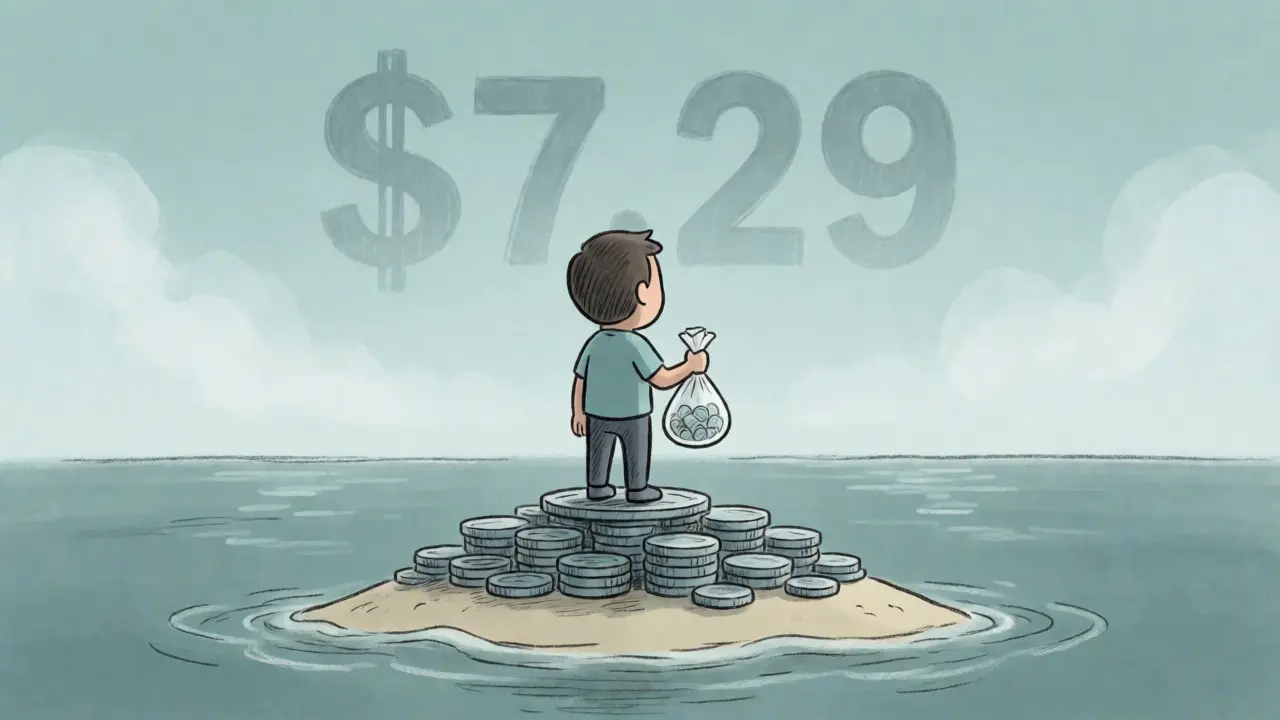
Here is the reality check before we get into the nitty-gritty. As of late 2025, SISHI has seen wild swings in value. It hit an all-time high of over $7.29, only to crash down to fractions of a cent. That is a drop of more than 99%. Why does this matter for an airdrop? Because getting 1,000 tokens sounds great until you realize they might be worth less than a cup of coffee. This article breaks down the current state of the Sishi Finance airdrop program, how to participate, and the critical market data you need to watch out for.
What Is the Sishi Finance Airdrop Program?
Sishi Finance operates differently from many other crypto projects that do one-time snapshot distributions. Instead, they use a continuous engagement model. According to updates from platforms like Bitget, users can receive free Sishi Finance airdrops by joining ongoing challenges and promotions. This means there isn't just one big day where you claim your tokens; it is a series of activities spread out over time.
The core idea here is community building. By rewarding active participants, the project tries to keep its user base engaged even when market prices are volatile. These challenges often involve simple tasks on social media or within specific exchange ecosystems. For example, you might need to follow their official accounts, join a Telegram group, or complete a small trading volume requirement on a partner exchange. It is designed to be low-barrier entry, but the rewards vary based on the specific campaign running at the time.
How to Participate in Current Promotions
If you want to try your luck at grabbing some SISHI, you need to know where to look. Since the airdrop is tied to "ongoing challenges," you cannot just wait for a wallet update. You have to be proactive. Here is a typical workflow for participating in these types of airdrops:
- Monitor Exchange Platforms: Keep an eye on major exchanges like Bitget. They frequently host promotional events for new or existing tokens. Check their "Earn" or "Promotions" section regularly.
- Join Community Channels: Most crypto projects announce their next challenge on X (formerly Twitter) or Telegram. Joining these groups ensures you see the announcement first, as slots or rewards can sometimes be limited.
- Complete Verification Tasks: Be ready to connect your wallet or verify your identity. Some airdrops require a KYC (Know Your Customer) process, especially if you are claiming significant amounts or trading on regulated exchanges.
- Check Eligibility Criteria: Not everyone qualifies for every challenge. Some might require you to hold a minimum amount of another token, while others are open to anyone who signs up. Read the fine print.
It is crucial to remember that "free" usually comes with a cost: your attention and data. Ensure you are interacting with official links. Phishing scams love to mimic airdrop announcements to steal private keys.

Market Reality: Price Volatility and Liquidity
Let’s talk numbers, because this is where most people get burned. While the airdrop gives you tokens, the market decides their value. Recent data shows SISHI trading around $0.0005 USD. But look closer at the history. The token peaked at $7.290462. We are talking about a depreciation of over 99.99% from its highest point. This extreme volatility is a red flag for conservative investors.
Furthermore, liquidity is a major concern. CoinMarketCap reported zero trading volume for certain periods recently. What does that mean for you? If you win 10,000 SISHI in an airdrop, but there are no buyers, you cannot sell them. You are stuck holding bags of digital assets that might never convert to fiat currency. Always check the 24-hour trading volume before assuming your airdropped tokens are liquid cash.
| Metric | Value / Status | Implication for Airdrop Receivers |
|---|---|---|
| Current Price | ~$0.00058 USD | Low individual token value; requires large quantities for meaningful profit. |
| All-Time High | $7.290462 | Indicates massive past speculation and current deep discount. |
| Trading Volume | Variable (sometimes near zero) | Liquidity risk; difficulty selling large amounts without crashing price. |
| Price Change (24h) | -0.86% | Short-term stability but slight downward trend. |
Risks and Due Diligence
Crypto airdrops are not always straightforward. The cryptocurrency space is rife with scams, ranging from fake exchanges to "rug pulls." While Sishi Finance appears to have a presence on reputable platforms like Binance and Coinbase, you must remain vigilant. Does the project have a clear roadmap? Is the team public? Are the smart contracts audited?
One specific risk with low-cap tokens like SISHI is the "dump" effect. When an airdrop distributes tokens to thousands of users, many will immediately sell to lock in any small gain. This sudden supply shock can crash the price further. If you plan to hold, be prepared for long-term stagnation. If you plan to sell, act fast, but accept that slippage (the difference between expected and executed price) might eat into your profits due to low liquidity.
Also, consider the regulatory landscape. Crypto regulations vary by country. In New Zealand, for instance, tax implications on crypto gains can be complex. Even if you got the tokens for free, selling them later might trigger a taxable event depending on your local laws and the duration of holding.
Is It Worth Your Time?
So, should you chase the Sishi Finance airdrop? It depends on your risk tolerance and strategy. If you are already using exchanges like Bitget or Binance, checking for active promotions costs you nothing but a few minutes. The upside is free exposure to a token that *could* recover if the broader market rallies. The downside is minimal financial loss, provided you don’t pay gas fees exceeding the token's value to claim it.
However, do not expect life-changing wealth from a single small-cap airdrop. Treat these as lottery tickets rather than investments. Diversify your portfolio. Do not let the promise of free tokens distract you from fundamental analysis. Look at the project’s utility. Does Sishi Finance offer real-world applications, or is it purely speculative? Without strong utility, the token’s long-term viability remains questionable.
How do I claim my Sishi Finance airdrop?
Typically, you need to visit the official promotion page on a supported exchange like Bitget or connect your wallet to the Sishi Finance dApp. Follow the specific instructions for the current challenge, which may include connecting your wallet, signing a transaction, or completing social media tasks. Once verified, the tokens are usually distributed directly to your connected wallet address.
Why is the SISHI token price so low?
The low price is largely due to extreme volatility and market correction. SISHI experienced a massive peak followed by a decline of over 99%. Additionally, low trading volume suggests limited demand, which keeps the price suppressed. Many early holders may have sold off, increasing supply pressure.
Are Sishi Finance airdrops safe?
While the project itself is listed on major exchanges, always exercise caution. Ensure you are using official links to avoid phishing sites. Never share your private key or seed phrase. Verify the contract address of the token before adding it to your wallet to ensure you are receiving the legitimate asset.
Can I sell SISHI tokens immediately after the airdrop?
Yes, generally you can sell immediately unless there is a vesting period specified in the airdrop terms. However, be aware of low liquidity. Selling a large amount at once might impact the price unfavorably. Check the order book depth on your chosen exchange before executing a market sell order.
What happens if I miss an airdrop challenge?
Since Sishi Finance uses an ongoing challenge model, missing one event doesn't mean you are out forever. New promotions and challenges are likely to appear in the future. Keep monitoring their official channels and exchange partners for upcoming opportunities.