Thai Crypto Compliance Risk Calculator
Assess Your Compliance Risk
THB
Compliance Assessment Result
Risk Level:
High Risk
Key Penalties
| Asset Freeze | Immediate |
| Legal Action | Automatic |
| Financial Loss | Up to 100% |
| Account Blocking | 24-48 hours |
Critical Actions
- Withdraw funds immediately to licensed platform
- Verify platform licensing status via SEC database
- Document all transaction history
- Contact SEC compliance hotline: 02-276-7890
Tax Benefits Available
Zero capital gains tax until December 31, 2029
Only available through licensed platforms
Tax-free trading window: 2025-2029
Thailand isn't just regulating cryptocurrency anymore-it’s enforcing it with teeth. If you’re trading, operating, or even just holding crypto in Thailand in 2025, you’re under a microscope. The government doesn’t want you to break the rules. It wants you to follow them-or face serious consequences. And those consequences aren’t fines you can shrug off. They’re jail time, blocked accounts, and permanent loss of funds.
What’s Changed in Thailand’s Crypto Rules?
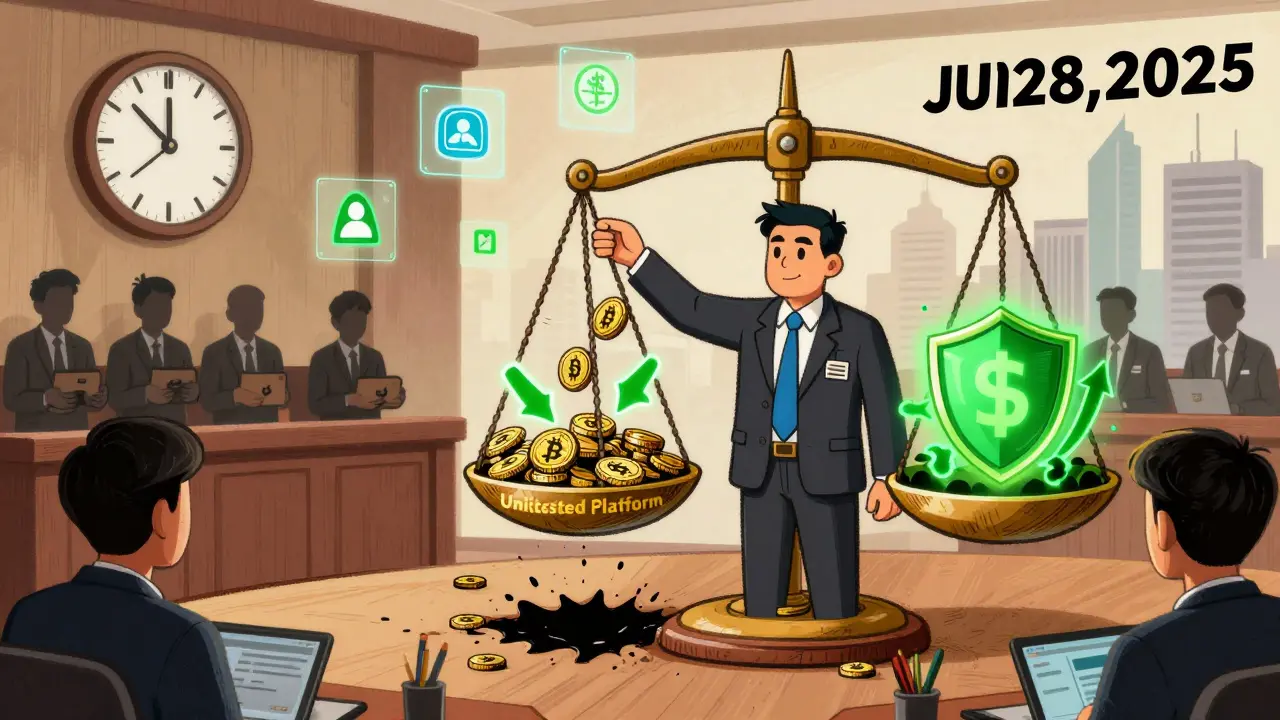
On April 13, 2025, Thailand rolled out the Royal Decree on the Digital Asset Businesses (No. 2) B.E. 2568. This wasn’t a gentle update. It was a full overhaul. The Securities and Exchange Commission (SEC) of Thailand, backed by the Ministry of Digital Economy and Society (MDES) and the Bank of Thailand, now has powers no other Southeast Asian country has granted to its regulators. Suddenly, every crypto platform that even whispers to Thai users has to comply. That means if your website is in Thai, accepts Thai baht, or runs ads targeting Bangkok or Chiang Mai-you’re in Thailand’s jurisdiction. Even if your company is based in Singapore, Canada, or Estonia. The SEC doesn’t care where you’re registered. They care where your users are.Who Gets Punished? Everyone.
The penalties don’t just hit big exchanges. They hit everyone involved.- Individuals using mule accounts-wallets or bank accounts used to receive stolen or scam funds-can be jailed for up to three years and fined up to THB 300,000 (about $8,400 USD).
- Platform operators who fail to block suspicious transactions or report criminal activity can face criminal charges. Their licenses can be revoked. Their assets frozen.
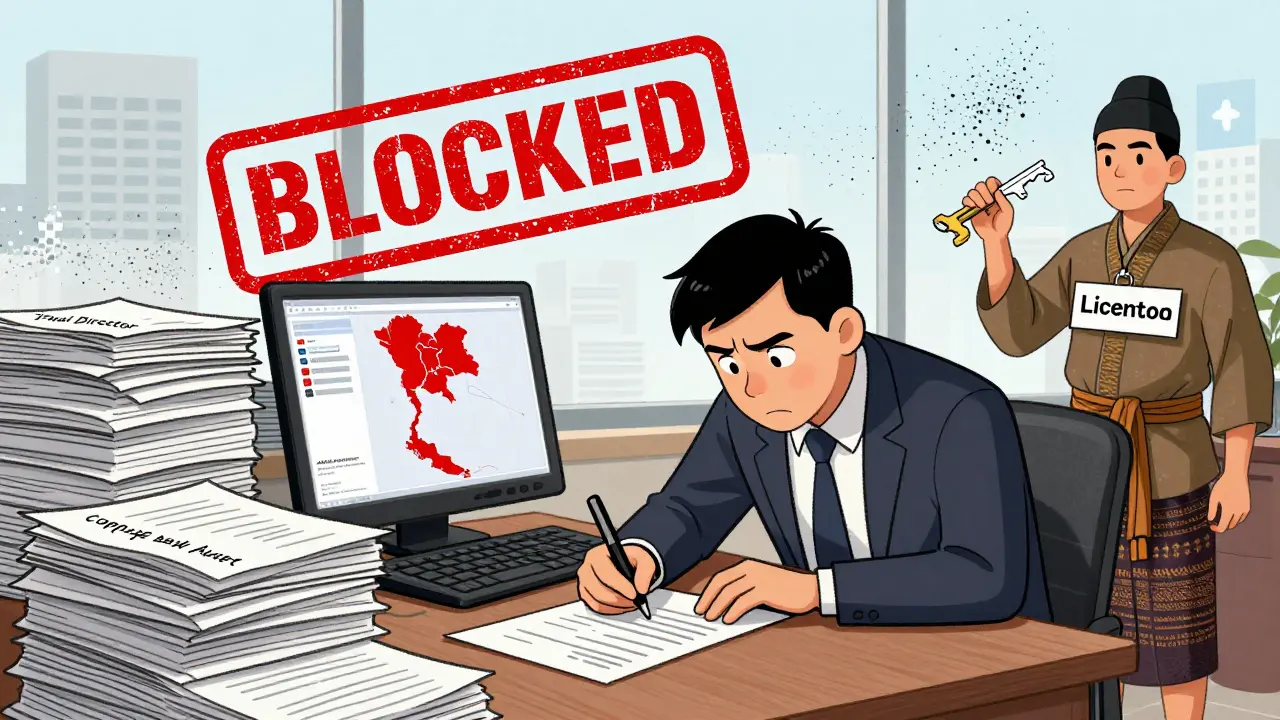
- Foreign platforms that don’t set up a legal Thai entity, hire a Thai director, open a Thai bank account, and integrate with the national AML system are blocked overnight.
Why Are the Penalties So Harsh?
Thailand’s goal isn’t just to control crypto-it’s to eliminate it from the shadows. The country has seen a surge in crypto scams, money laundering, and fraud tied to unregulated platforms. In 2024, over THB 12 billion ($330 million USD) was stolen through fake crypto investment schemes targeting Thai citizens. The new rules force platforms to act like banks. They must:- Monitor every transaction in real time
- Freeze wallets linked to known criminals
- Refund victims of fraud-even if the platform didn’t cause the scam
- Share user data with law enforcement on demand
Foreign Platforms: The Localization Trap
If you’re a crypto company outside Thailand, you can’t just “serve Thai users.” You have to become Thai. From January 2025, every foreign platform targeting Thai customers must:- Establish a legal company in Thailand
- Appoint a Thai national as director
- Open a corporate bank account with a Thai bank
- Integrate with the national AML monitoring system
- Pass SEC licensing and enter the regulatory sandbox
What About Users?
Regular traders aren’t off the hook. If you use an unlicensed platform after June 28, 2025, you’re breaking the law. You won’t be jailed-but your funds could vanish. And if you’re caught using a wallet tied to a scam, you could be investigated as an accomplice. On licensed platforms, users report better security. Fraud cases have dropped. But there’s a cost. KYC checks are invasive. Withdrawals take days. Transaction limits are tight. Some users say it feels like banking in 1995. But here’s the trade-off: if you’re hacked or scammed on a licensed platform, you might get your money back. The law requires them to refund victims. That’s not something you’ll find on Binance or KuCoin if you’re in Thailand.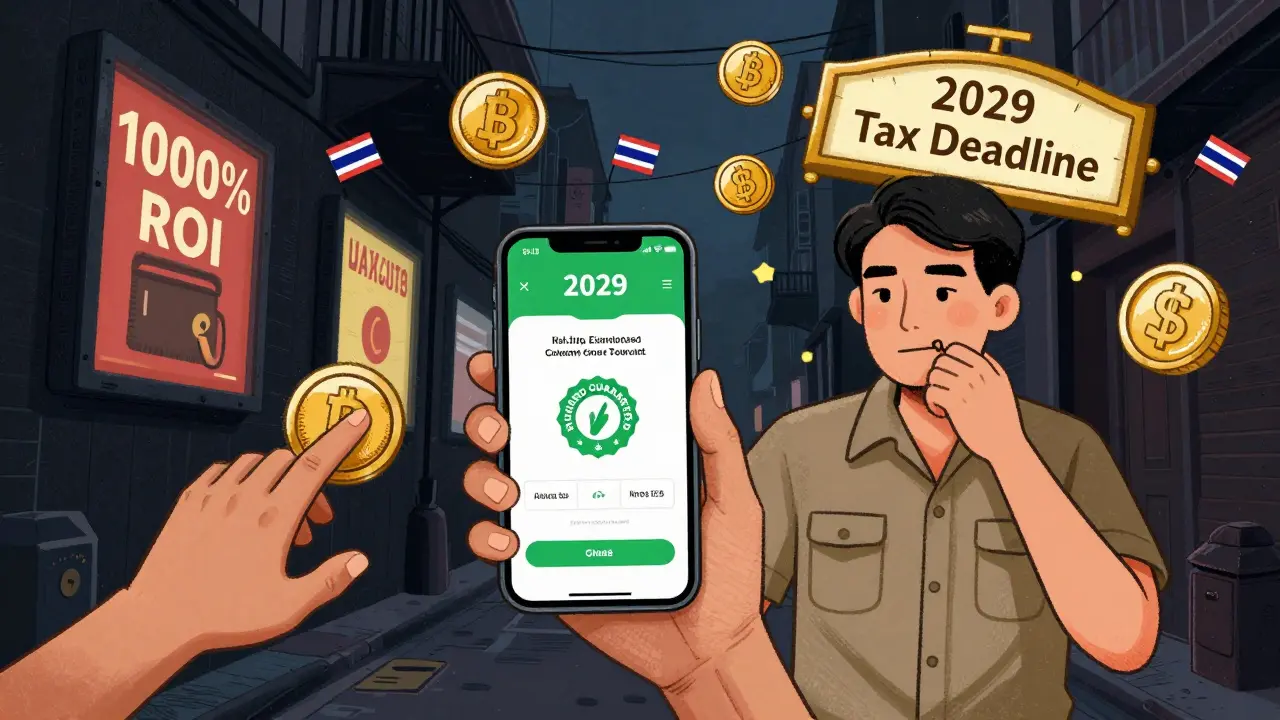
Thailand’s just turning crypto into a state-run ATM with extra steps. They’re not regulating-they’re weaponizing compliance. Imagine having to hire a Thai director just to let Americans trade USDT? This isn’t financial oversight, it’s digital colonialism with better PR. And don’t get me started on the refund mandates-now platforms are liable for scams they didn’t even cause? That’s not capitalism, that’s socialism with blockchain tattoos. 😅
Bro, I moved my entire portfolio to a licensed exchange last week. Yeah, KYC is brutal and withdrawals take 3 days-but last month I got hacked on KuCoin and lost $11k. On the Thai licensed one? They refunded me $9k in 10 days. No drama. No begging. Just ‘here’s your money.’ Worth the hassle. 🙌
So… you’re telling me I can’t just use Binance anymore? And if I do, I’m legally complicit? That’s not enforcement, that’s a hostage situation. Who even *is* the SEC to decide what my wallet does? I didn’t sign up for this. 😑
It’s wild how Thailand’s basically saying: ‘We don’t care if you’re a global giant-if you speak Thai to our people, you’re one of us.’ That’s actually genius. Most countries want crypto to be a tax loophole. Thailand wants it to be a public utility. And honestly? I respect that. 💪
Zero capital gains tax until 2029? Sounds like a trap. The government’s just luring us in like sugar-coated cyanide. Wait till 2030 and they’ll tax us at 40% and call it ‘crypto stability fees.’ Trust me, I’ve seen this movie before. 🎬💸
I live in LA but trade with Thai friends. I’ve seen how many people got burned by fake ICOs here. The crackdown isn’t harsh-it’s overdue. The problem isn’t regulation. It’s that the global crypto scene never took Thailand seriously until now. Maybe this is what maturity looks like. 🤷♂️
They block platforms? Fine. But why not let users choose? This is not freedom. This is digital apartheid. I don’t care if it’s safer-I want my options. 🇳🇬
Did you know the Thai SEC has ties to the military? They’ve been quietly consolidating financial control since 2022. This isn’t about fraud-it’s about surveillance. Your wallet data is now in a government database. And yes, they’re using it to track dissidents too. 🕵️♀️
Let’s be clear: Thailand’s model is the only one that works. You can’t have decentralized finance and centralized accountability. Either you’re a bank or you’re a casino. The SEC forced crypto to pick a side. And the casino lost. End of story.
My mom just asked me if she should move her retirement savings to a licensed Thai exchange. I said yes. She’s 68. She doesn’t want to gamble. She wants to sleep at night. And honestly? That’s the real win here. Safety over hype. 💖
People are acting like this is the end of crypto but it’s just the end of the Wild West phase. Every industry goes through this. Banking had it. Airlines had it. Now crypto’s growing up. The pain is real but so is the progress. We’ll look back in 5 years and laugh at how chaotic it was.
If you’re a foreign platform and you’re complaining about having to hire a Thai director… you never really wanted to be in Thailand. You just wanted to profit from Thai users without responsibility. That’s not entrepreneurship. That’s extraction. And now the bill’s come due.
They blocked 5 platforms? That’s nothing. In 2026 they’ll shut down 20 more. And guess what? The ones that survive will be the ones that bribed the right people. This isn’t regulation-it’s a pay-to-play oligopoly. And you’re all just cheering for the gatekeepers.
Let’s be honest nobody actually believes the tax exemption is real. It’s a bait. The government knows 90% of traders will cash out by 2028 and then they’ll come in with a 30% wealth tax on all crypto gains. This isn’t policy. It’s a financial trap disguised as incentive
I used to think Thailand was being too heavy-handed. Then I met a guy who lost his life savings to a Telegram crypto group that promised 20% daily returns. He cried in front of me. That’s not speculation. That’s exploitation. Maybe Thailand’s solution is brutal-but it’s the only one that actually protects people.
India is watching this closely. We have the same problems. But our government is still stuck in ‘let’s ban it’ mode. Thailand is showing how to regulate without killing innovation. We need to learn from this. Not copy the fear-copy the structure.
They’re not just blocking platforms-they’re erasing history. What happens when your crypto portfolio gets wiped because you didn’t move it in time? That’s not enforcement, that’s digital genocide. And they’re calling it ‘consumer protection’? Please. This is the first step to a national blockchain ID system where your spending habits are tracked 24/7. I’m not alone in this. You’re all just sleeping through the takeover.
Look, I get the fear. But if you’re a Thai citizen and you’re still using unlicensed platforms, you’re basically saying you’d rather risk your money than help fix the system. The licensed ones are slow, yeah-but they’re the only ones that’ll pay you back when things go sideways. That’s not control. That’s care.
To everyone saying this is authoritarian: What’s more authoritarian-letting scammers steal billions from grandmas, or making platforms responsible for the safety of their users? This isn’t about control. It’s about dignity. People deserve to trade without living in fear. And Thailand? They’re finally giving that to them. 🌟