
Ever wondered if you could actually get paid just for playing a game? That’s the promise behind PandoLand, a Play-to-Earn (P2E) project that grabbed attention in early 2025. If you missed the initial buzz or are trying to understand what happened with its recent distribution event, you’re in the right place. The PandoLand ($PANDO) token airdrop was a cryptocurrency distribution event that took place from March 4-10, 2025. It wasn’t just another empty promise; it distributed real value to participants who engaged with the community. But here is the kicker: only 500 people won. So, how did this work, and what does it mean for the future of blockchain gaming?
What Exactly Was the PandoLand Airdrop?
At its core, an airdrop is free money-or rather, free tokens-sent to your wallet. For PandoLand, this was a strategic move to build a community around their Ethereum-based game. The total supply of $PANDO tokens was set at one billion. Out of this massive pool, the developers allocated exactly 500,000 tokens for the airdrop. That might sound small, but let’s look at the math. The total value of this distribution was pegged at $500,000 USD. Divided among 500 winners, that averages out to about $1,000 worth of tokens per person. Not bad for following a few social media accounts, right?
This approach highlights a common trend in the Web3 space: using limited distributions to create exclusivity. By capping the winners at 500, PandoLand created a sense of urgency and prestige. Unlike ongoing point systems seen in projects like Play AI Network, which accumulate rewards over months, PandoLand’s event was finite. It started on March 4 and ended on March 10, 2025. This tight window forced users to act quickly, boosting engagement metrics for the project during those critical launch days.
The Mechanics: How Did People Win?
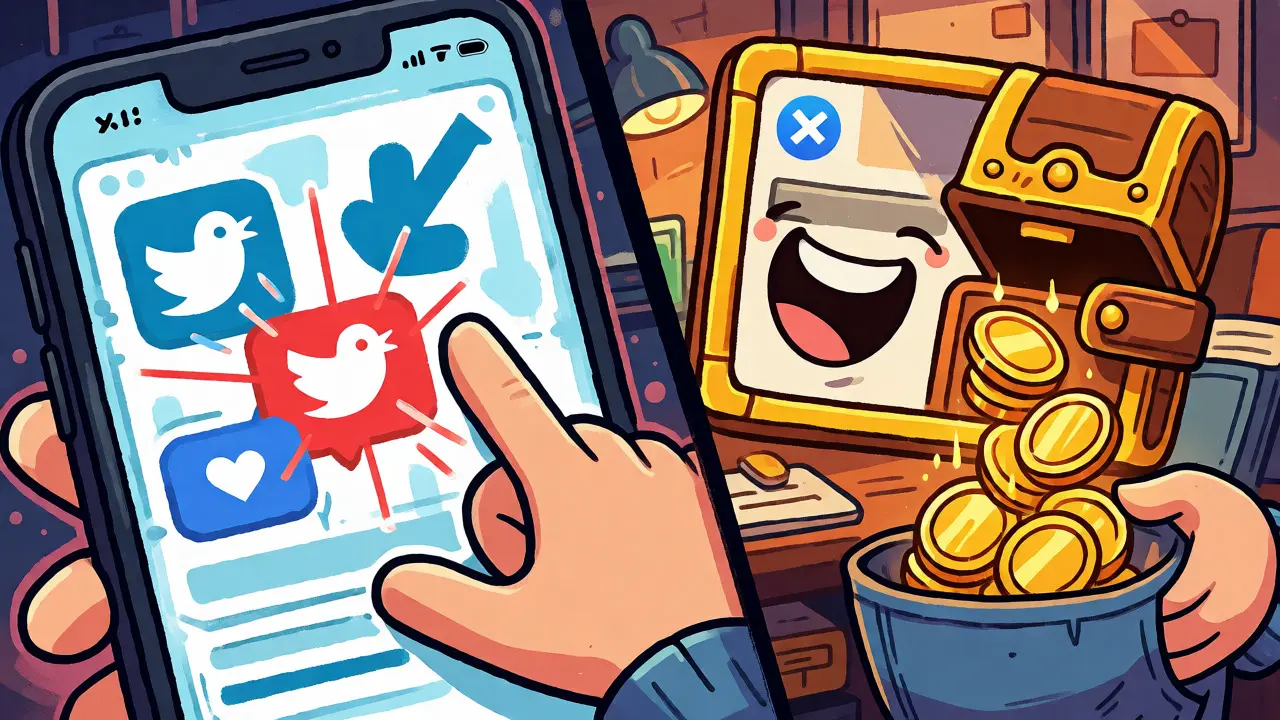
You didn’t need to be a coding wizard or own expensive NFTs to participate. The barrier to entry was deliberately low. The primary platform for this event was Twitter. Participants had to complete specific social media tasks. These typically included following the official PandoLand account, retweeting promotional posts, and tagging friends. It’s a classic growth hack for crypto projects: trade your social influence for potential financial gain.
Once selected, claiming the tokens required a basic understanding of digital wallets. Since PandoLand is built on Ethereum, winners needed an ERC-20 compatible wallet, such as MetaMask. The process was designed to be beginner-friendly. You connect your wallet, verify your eligibility through the project’s portal, and approve the transaction. Gas fees on Ethereum can sometimes be high, so timing your claim when network congestion was low saved some users significant amounts of ETH. This accessibility attracted a mix of hardcore gamers and casual speculators looking for quick wins.
Inside the Game: What Is PandoLand?
Why would anyone care about these tokens? The utility lies in the game itself. PandoLand is a virtual world inspired by pandas, where players explore, quest, and trade. It leverages NFTs (Non-Fungible Tokens) for characters, items, and land parcels. This means if you find a rare sword or capture a unique panda character, you truly own it. You can sell it on secondary markets or hold it as an asset.
The economic model is community-driven. Players earn $PANDO by completing quests and exploring the map. There’s also a staking mechanism, allowing holders to lock up their tokens for additional rewards. This dual-loop economy-earn by playing, earn by holding-is standard for modern P2E games. However, sustainability is the big question. Many similar projects collapse once the initial hype fades. Industry analysts, including writers like Avni Patel, have noted that while the mechanics are solid, long-term success depends on actual gameplay quality, not just token speculation.
How Does It Compare to Other Crypto Gaming Projects?
To understand PandoLand’s position, we need to look at its competitors. In early 2025, the landscape was crowded. Here is a breakdown of how PandoLand stacked up against other notable projects at the time.
| Project | Blockchain | Airdrop Scale | Key Mechanic | Status |
|---|---|---|---|---|
| PandoLand | Ethereum | 500 Winners / $500k Value | Social Media Tasks + Gameplay | Completed (March 2025) |
| Arena Two | BNB Chain | Tournament Based | Competitive Play | Ongoing into 2026 |
| Play AI Network | Various | Point Accumulation | Aura Points System | TGE Expected Q4 2025 |
| 0G | Layer 1 | NFT Holder Allocation | Progressive Snapshots | Announced Sept 2025 |
Notice the difference in strategy. Arena Two focused on competitive tournaments, appealing to skilled players. Play AI Network used a slower, grind-based point system. PandoLand chose speed and simplicity. This made it attractive to users who wanted immediate results without committing hundreds of hours to grinding points. However, the small winner pool meant most participants left empty-handed, which can lead to community frustration if not managed well.
The Risks and Realities of P2E Airdrops
It’s easy to see the upside, but let’s talk about the downsides. Most people who participated in the PandoLand airdrop were likely more interested in the free tokens than the game itself. This is a known issue in the sector. When the primary motivation is speculation, player retention drops once the airdrop ends. Community feedback showed that discussions revolved heavily around "when will I get my tokens?" rather than "how fun is the game?"
Furthermore, regulatory scrutiny is increasing globally. Governments are watching how these tokens are classified. Are they securities? Utility tokens? The answer affects how exchanges list them and how taxes apply. For New Zealanders reading this, remember that crypto gains are taxable events. If you claimed $1,000 worth of $PANDO, that’s income at the moment of receipt. Keeping records of your wallet transactions is crucial for tax season.
What Happens Next for PandoLand?
As of late 2025, the initial excitement has settled. The airdrop is done. The question now is whether the game can sustain its user base. Successful P2E projects usually pivot from pure earning models to sustainable entertainment ecosystems. They introduce new content, partnerships, and deeper gameplay loops. If PandoLand fails to deliver engaging content beyond the initial novelty, the $PANDO token price may struggle to maintain its value.
For those who won, the smart move is often to diversify. Don’t hold all your eggs in one basket. Use some tokens to stake, maybe buy in-game assets if you enjoy the gameplay, and cash out some profits to lock in gains. For those who missed out, keep an eye on future updates. Many projects run secondary airdrops or reward active players later on. Stay connected via their official channels, but always verify links to avoid phishing scams, which are rampant in the crypto space.
Is the PandoLand airdrop still active?
No, the main PandoLand airdrop event concluded on March 10, 2025. It was a time-limited campaign that distributed tokens to 500 winners. While future rewards for active players are possible, the initial large-scale distribution is finished.
What wallet do I need to claim $PANDO tokens?
Since PandoLand is built on the Ethereum blockchain, you need an ERC-20 compatible wallet. Popular options include MetaMask, Trust Wallet, and Coinbase Wallet. Ensure you have enough ETH to cover gas fees if you plan to transfer or swap the tokens immediately.
How many people won the PandoLand airdrop?
Exactly 500 winners were selected. The total allocation was 500,000 $PANDO tokens, valued at approximately $500,000 USD at the time of distribution. This resulted in an average prize of $1,000 per winner.
Do I need to play the game to get the airdrop?
For the initial March 2025 airdrop, participation was primarily based on social media tasks on Twitter, such as following and retweeting. You did not need to have played the game extensively to qualify, though playing helps you understand the token's utility.
Is PandoLand a legitimate project?
PandoLand is a recognized Play-to-Earn project with technical infrastructure on Ethereum. However, like many crypto ventures, it carries risk. Always research the team, check audit reports for smart contracts, and never invest more than you can afford to lose. Community sentiment varies, so look for independent reviews.