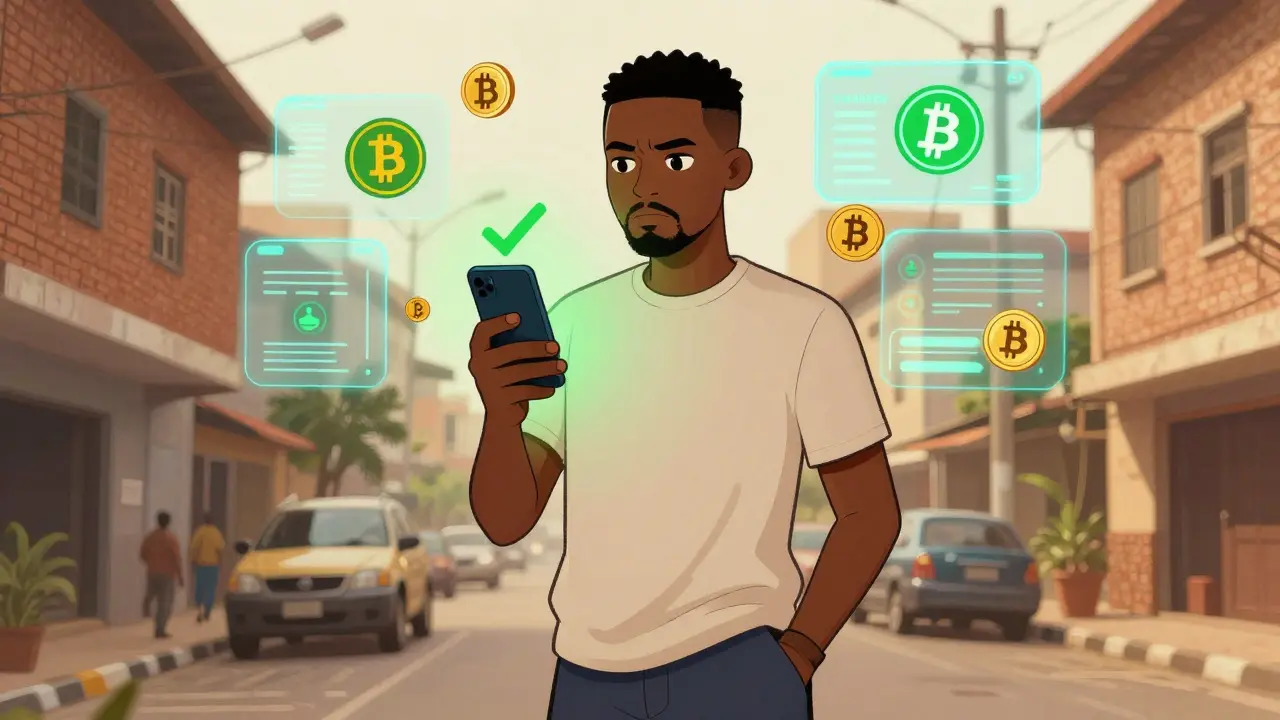
Buying or selling cryptocurrency in Nigeria used to feel like walking through a minefield. For years, the Central Bank of Nigeria (CBN) banned banks from processing crypto transactions, forcing millions of Nigerians into the shadows. But today, the landscape has shifted dramatically. With the passage of the Investments and Securities Act (ISA) in 2025, the fog is lifting. The Securities and Exchange Commission (SEC) now regulates digital assets, creating a safer environment for peer-to-peer (P2P) trading.
This isn't just about legality; it's about survival. With inflation hovering around 24% and the Naira losing significant value against the dollar, Nigerians are turning to crypto not just for speculation, but as a hedge against economic instability. P2P platforms allow you to buy Bitcoin or USDT directly from other people using local bank transfers, bypassing traditional banking restrictions entirely. But with great freedom comes great responsibility. Scams are still rampant, and choosing the wrong platform can cost you your savings.
Why P2P Dominates the Nigerian Market
You might wonder why P2P is so popular compared to buying directly on an exchange. The answer lies in accessibility and speed. In Nigeria, approximately 36% of adults remain unbanked, and many more are underbanked. Traditional fiat-on-ramp methods often fail due to network issues or bank blocks. P2P solves this by letting you use any bank account, even those from smaller microfinance banks.
Consider the remittance angle. Sending money internationally via traditional channels used to cost up to 8% per transaction. P2P reduces this friction significantly. You convert Naira to USDT, send it globally, and the receiver converts it back to their local currency. It’s faster, cheaper, and works 24/7. According to recent data, P2P accounts for roughly 68% of all crypto activity in Nigeria, far exceeding the global average of 29%. This dominance highlights a clear need: Nigerians want control over their finances without relying on broken infrastructure.
| Platform | Taker/Maker Fees | Key Feature | Best For |
|---|---|---|---|
| Binance P2P | 0.1% | Largest user base, 519+ cryptos | High volume traders |
| Bybit | Low fees | 24/7 Local language support (Yoruba/Igbo/Hausa) | Users needing local help |
| YellowCard | 0% trading fees | Instant Naira deposits/withdrawals | Beginners & instant payouts |
| Breet | Competitive | Transactions complete in ~3 mins | Speed-focused users |
| Busha | Standard | First SEC-licensed exchange | Regulatory compliance seekers |
Top Platforms Reviewed: Who Should You Use?
Not all P2P platforms are created equal. Some prioritize speed, others security, and some offer better rates. Here is a breakdown of the major players operating in Nigeria as of mid-2026.
Binance P2P is the market leader with approximately 45% market share in Nigeria. It offers the deepest liquidity, meaning you can find buyers or sellers quickly regardless of the amount. The fee structure is transparent at 0.1% for takers/makers. However, be aware that Binance has faced service disruptions, including a notable 37-hour outage in March 2025. Their dispute resolution system is robust, with an 89% satisfaction rate, but new users often complain about stricter KYC verification slowing down initial trades by 40%.
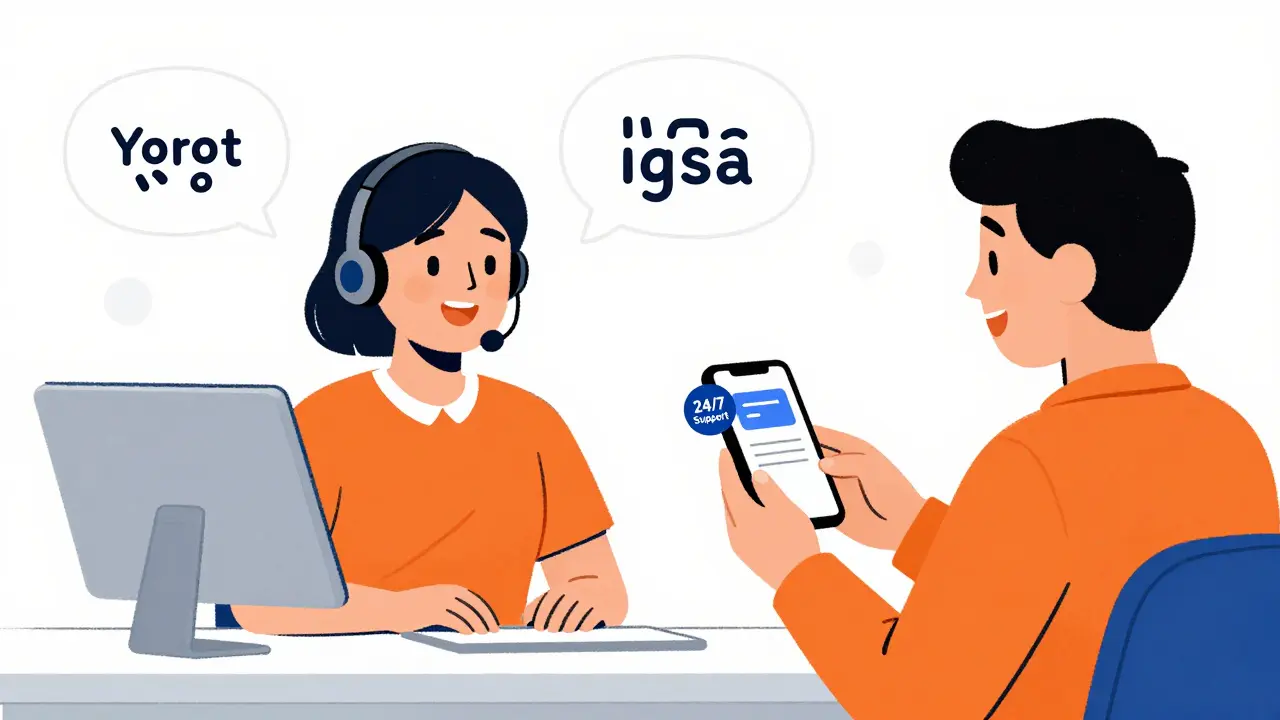
If you prefer local support, Bybit is a strong alternative rated 4.6/5 by experts. What sets Bybit apart is its customer service. They offer 24/7 support in Yoruba, Igbo, and Hausa-a feature no other major competitor matches. Shennon Hewa, a veteran crypto trader, notes that Bybit’s integration with Nigerian banking infrastructure gives it a 12-15% performance advantage in local transaction processing. If you get stuck, someone who speaks your language is likely available to help.
For those who hate fees, YellowCard is a fintech app licensed across 20 African countries offering zero trading fees. It specializes in instant Naira deposits and withdrawals. While it doesn’t support as many cryptocurrencies as Binance, its ease of use makes it perfect for beginners. YellowCard also leads in education, offering over 120 tutorial videos in local languages. Just note that their mobile app has experienced crashes during peak hours in stress tests, so avoid trading when the market is most volatile if possible.
Need speed? Look at Breet, which specializes in instant bank payouts with transactions completing within 3 minutes. With a 97% user satisfaction rating on Trustpilot, Breet is ideal for merchants or individuals who need funds immediately. Meanwhile, Busha stands out as Nigeria’s first SEC-licensed exchange under the ISA 2025 framework. If regulatory compliance is your top priority, Busha offers multi-factor authentication and quarterly security audits, providing peace of mind that unregulated platforms cannot match.
The New Regulatory Reality: ISA 2025
The game changed in early 2025 with the Investments and Securities Act (ISA). Before this, the CBN had issued circulars prohibiting banks from servicing crypto businesses, creating a chaotic gray area. Now, the SEC is the primary regulator. This shift has reduced scam incidents by 63% compared to late 2024, according to Dr. Amina Bello, Chief Economist at ChainUp Africa.
What does this mean for you? First, platforms must now implement real-time transaction monitoring systems by December 31, 2025. This means less anonymity for criminals, but potentially more friction for legitimate users during compliance checks. Second, only licensed platforms will have full banking access. Unlicensed exchanges may face sudden freezes or inability to process Naira transactions. Stick to platforms like Busha, Quidax, and Binance that are actively seeking or holding provisional licenses. This regulatory clarity is expected to attract institutional participation, potentially stabilizing prices and increasing trust in the ecosystem.
Safety First: Avoiding Scams and Pitfalls
Even with better regulation, P2P trading carries risks. The Economic and Financial Crimes Commission (EFCC) reported that 22% of fraud cases in Q2 2025 involved impersonation of verified sellers. Here is how to protect yourself.
- Never release crypto before payment confirmation: Wait until you see the money in your bank account balance, not just a transfer screenshot. Screenshots can be faked easily.
- Use escrow services: Always trade through the platform’s official P2P interface. Never move the conversation to Telegram or WhatsApp. If a deal goes wrong, the platform can only intervene if the chat and transaction records are on their servers.
- Enable 2FA correctly: Security researcher Chinedu Okoro notes that 68% of Nigerian users disable two-factor authentication due to SMS delivery issues. Instead of SMS, use authenticator apps like Google Authenticator or Authy. They are more secure and don’t rely on unreliable telecom networks.
- Check seller reputation: Look for sellers with high completion rates (above 95%) and hundreds of orders. New accounts with low feedback are higher risk.
One common trap is "chargeback fraud." A buyer sends money, claims they didn’t receive the crypto, and disputes the charge with their bank. To mitigate this, always verify the name on the bank account matches the name on the P2P profile. If there is a mismatch, cancel the trade immediately.
Practical Tips for New Traders
Starting your first P2P trade can be intimidating. Here is a simple checklist to ensure smooth operations:
- Complete KYC Early: Identity verification takes time. Do it before you need to trade urgently. Have your BVN (Bank Verification Number) and valid ID ready.
- Start Small: Your first few trades should be small amounts. This helps you understand the flow without risking significant capital.
- Compare Rates: Prices fluctuate every minute. Check Binance, Bybit, and YellowCard simultaneously. Sometimes a 0.5% difference in rate saves you thousands of Naira.
- Use Stablecoins for Savings: If you want to hedge against Naira inflation, buy USDT (Tether) rather than Bitcoin. Bitcoin is volatile; USDT stays pegged to the US Dollar, preserving your purchasing power.
- Join Community Groups: There are over 147 active Telegram groups for Nigerian crypto traders. These communities often alert members to ongoing scams or platform outages in real-time.
Remember, learning the basics takes about 2-3 hours. Most beginners need assistance during their first transaction. Don’t hesitate to use the live chat support provided by platforms like Binance or Busha. They are there to help you navigate the process safely.
Future Outlook: Where Is This Heading?
The Nigerian P2P market is projected to grow by 27% annually through 2027. As the SEC expects 35-40 licensed platforms by the end of 2025, competition will drive better features and lower fees. We are already seeing innovations like Binance’s "Naira Direct" feature, which cuts transaction steps from five to two, reducing time by 38%.
However, challenges remain. Technological infrastructure limitations still affect 31% of rural users, and internet connectivity issues can disrupt trades. Additionally, while scams have decreased, they have become more sophisticated. Stay vigilant, keep your software updated, and never share your private keys or seed phrases with anyone.
The boom in P2P crypto trading in Nigeria is more than a trend; it is a financial lifeline for millions. By understanding the platforms, respecting the regulations, and prioritizing security, you can participate in this decentralized economy with confidence. Whether you are sending money home, saving against inflation, or exploring investment opportunities, P2P offers a powerful tool set in your hands.
Is P2P crypto trading legal in Nigeria in 2026?
Yes, P2P crypto trading is legal and regulated under the Investments and Securities Act (ISA) 2025. The Securities and Exchange Commission (SEC) oversees digital assets, allowing licensed platforms to operate legally. However, the Central Bank of Nigeria (CBN) previously restricted banks from servicing crypto businesses, though this stance has softened for licensed entities. Always use SEC-recognized platforms to ensure compliance.
Which P2P platform has the lowest fees in Nigeria?
YellowCard currently offers zero trading fees for its P2P transactions, making it one of the most cost-effective options. Binance P2P charges a standard 0.1% taker/maker fee. While fees vary slightly between platforms, the spread (difference between buy and sell price) often impacts your total cost more than the explicit fee. Always compare the final rate you receive.
How do I avoid scams on P2P platforms?
To avoid scams, never release cryptocurrency until you confirm the funds are in your bank account balance, not just via screenshots. Always conduct trades within the platform's official chat and escrow system. Enable two-factor authentication (2FA) using an authenticator app instead of SMS. Verify that the bank account name matches the seller's profile name before initiating payment.
Can I use my BVN to trade crypto on P2P platforms?
Yes, you can use your BVN-linked bank accounts for P2P transactions. In fact, most platforms require KYC verification which includes linking your BVN to ensure identity authenticity. Since the ISA 2025, licensed platforms are allowed to interact with the banking system, making BVN-linked transfers safe and standard practice for P2P trading.
What is the best cryptocurrency to buy via P2P in Nigeria?
USDT (Tether) is the most popular choice for P2P trading in Nigeria because it is a stablecoin pegged to the US Dollar, protecting users from Naira inflation and Bitcoin volatility. Bitcoin (BTC) is also widely traded for long-term investment. For beginners looking to preserve value, USDT is generally recommended due to its stability and high liquidity on P2P markets.
Oh my stars, the sheer audacity of this financial evolution is absolutely breathtaking! It’s like watching a phoenix rise from the ashes of bureaucratic red tape. The way Nigerians are navigating this minefield with such grace and grit is nothing short of spectacular. I mean, who would have thought that bypassing traditional banking restrictions could become an art form? It’s dramatic, it’s intense, and it’s utterly fascinating to witness.
they say its legal now but dont trust the government.. they always watch everything you do.. the sec is just another eye in the sky tracking your every move.. privacy is dead folks.. i keep my money under the mattress where they cant touch it or see it.. these platforms are traps for the unsuspecting.. stay woke
scammers are everywhere so be carefull. if u release crypto before seeing the cash in ur account u r done for. simple as that. dont let greed blind u. check the seller rep too.
look, most people here are clueless about how fees actually work 🤡 yellowcard might say 0% but the spread eats u alive. binance is king for a reason, liquidity is deep. stop listening to influencers and read the whitepaper. education is key 📚
i feel so good seeing this progress!! its amazing how tech helps people survive tough times. inflation is scary but having options gives hope. just take it slow and learn as u go. u got this! 💪✨
its really interesting to see how regulation can both help and hinder at the same time. on one hand safety goes up, on the other hand friction increases. we need to find that balance where people feel secure but not stifled by endless checks. lets keep the conversation open and respectful about all sides of this coin
i guess using authenticator apps is better than sms then. never thought about that much before. seems safer.
The notion that any platform can rival Binance's liquidity is frankly preposterous. One must possess a certain level of financial literacy to understand that market depth is not merely a feature but a fundamental necessity for serious traders. Those opting for lesser-known entities due to superficial fee structures demonstrate a profound lack of understanding regarding slippage and execution risk.
this article is dangerously naive. claiming scams dropped by 63% is laughable when you look at the actual volume of fraud reports. the efcc is incompetent and the sec is corrupt. you are putting your life savings into a system designed to fail you. wake up.
im curious about the local language support on bybit. thats a cool feature right? makes it easier for grandmas to trade maybe. does anyone know if the tutorials are actually helpful or just fluff?
It is imperative that individuals prioritize regulatory compliance above all else. The introduction of the ISA 2025 framework signifies a maturation of the Nigerian financial ecosystem. To engage with unlicensed platforms is not only reckless but morally indefensible in light of the available, vetted alternatives such as Busha.
I love thinking about the philosophical implications of decentralized finance. It challenges our very concept of trust. Do we trust institutions or code? For many in Nigeria, the answer seems clear because the institutions failed them first. It’s a beautiful paradox of freedom and responsibility.
everyone says usdt is safe but its not backed by anything real. its just debt wrapped in green paper digital style. btc is the only true store of value. stablecoins are a scam waiting to happen. dont believe the hype
listen up kids, binance outage in march was a glitch not a flaw. their dispute resolution is top tier. if u cant handle a 37 hour downtime u shouldnt be trading. also kyc is mandatory now so stop complaining about privacy. get over it.
why should americans care about nigerian crypto markets? its irrelevant to us. focus on domestic issues. the naira problem is not our problem. let them figure out their own economic mess without importing foreign solutions that might destabilize things further.
omg this is so inspiring!!! 🌟 seeing people empower themselves financially is the best feeling ever. just remember to start small and protect your heart and your wallet. sending positive vibes to all the new traders out there! ❤️💸
you idiots think breet is fast? its instant because they front the cash. eventually they will collapse like every other fintech scam. stick to regulated exchanges or lose everything. stop being lazy and do your own research instead of trusting random apps.
the drama around bank bans was intense but now we see a new dawn breaking. it’s wild how quickly the landscape shifts from total prohibition to regulated acceptance. let’s embrace this change with open arms and hearts. the future is bright and decentralized!
so basically you’re saying i can send money to my cousin in lagos cheaper than western union? wow. why didn’t anyone tell me sooner? i’ve been paying huge fees for years. thanks for the tip guys. gonna try yellowcard tomorrow. 🚀🔥