
Remember when buying Bitcoin in Europe felt like a hassle? You’d navigate clunky interfaces, wait days for bank transfers, and worry about hidden fees. Enter LiteBit.eu, a Rotterdam-based service that promised to make crypto accessible to everyone in the EU. Founded in 2013, it wasn’t technically an "exchange" in the traditional sense-it was a broker. Think of it less like a stock market and more like a currency bureau where you swapped Euros for digital assets.
But here’s the kicker: if you’re looking to sign up today, you can’t. LiteBit has shut down its operations. This review digs into what made it popular, why it struggled against modern competitors, and what its closure means for early adopters who trusted their funds with this Dutch pioneer.
The Broker Model vs. The Exchange Model
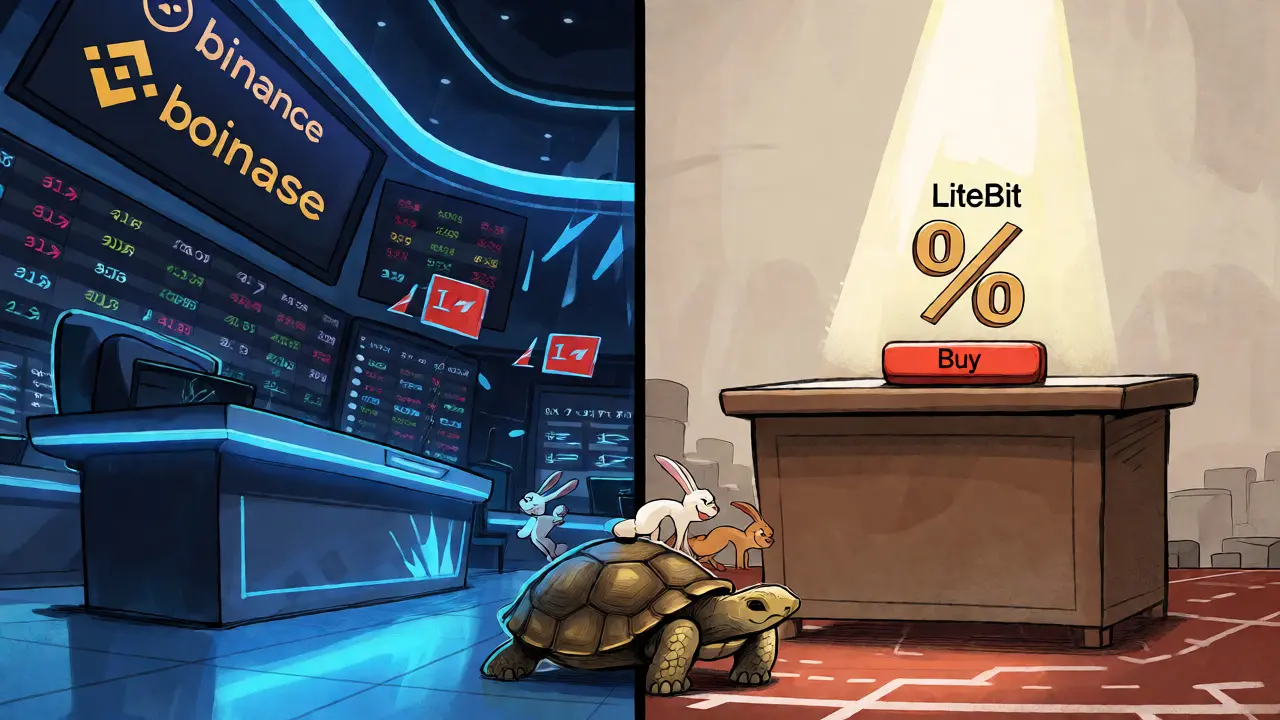
To understand LiteBit, you have to grasp its business model. It didn’t match buyers with sellers directly. Instead, LiteBit bought cryptocurrencies in bulk and sold them to you at a markup. As of its later years, this markup hovered around 1.55%. For casual investors just wanting to dip a toe into Cryptocurrency, this simplicity was appealing. You didn’t need to understand order books or liquidity pools.
However, this model had a downside. Traditional exchanges like Binance or Coinbase often offer lower fees through maker-taker structures. LiteBit’s fixed markup meant active traders paid more per transaction. If you were trading frequently, those percentages added up quickly. But for someone buying once a month? The convenience often outweighed the cost.
| Feature | LiteBit (Broker) | Traditional Exchange |
|---|---|---|
| Price Mechanism | Fixed Markup (~1.55%) | Maker-Taker Fees (Variable) |
| User Experience | Simple Buy/Sell Interface | Advanced Charts & Order Types |
| Payment Methods | iDeal, SEPA, Credit Card | Bank Transfer, Cards, Crypto |
| Target Audience | Beginners & Casual Investors | Traders & Active Users |
Why People Loved LiteBit (And Where They Frustrated)
LiteBit targeted a specific niche: Europeans who wanted zero friction. It supported over 50 cryptocurrencies and integrated local payment methods that global giants often ignored. iDeal for Dutch users and Bancontact for Belgians were huge selling points. You could pay directly from your bank account without waiting three days for a wire transfer.
The platform also introduced LiteBit Credits (LBC). This system let you top up your balance first, then buy crypto instantly. Why did this matter? Because bank transfers take time, and crypto prices move fast. LBC acted as a buffer, locking in your purchasing power while your money cleared. Clever solution, right?
Yet, user reviews told a mixed story. On Trustpilot, ratings sat around 3.3 out of 5. Complaints often centered on slow verification processes. One user noted that creating an account took significantly longer than on competing platforms. Another mentioned concerning follow-up calls from support after a simple purchase. While the interface was clean, the back-end efficiency sometimes lagged behind sleeker apps like Bitvavo.
The Rise of Competition and LiteBit’s Decline
In 2017 and 2018, during the massive crypto boom, LiteBit thrived. With little competition offering easy Euro-to-Crypto swaps, it amassed roughly 800,000 registered clients. It was one of the largest brokers in the region. But markets change. By 2024 and beyond, the landscape shifted dramatically.
New players entered the scene with aggressive pricing and better tech. Bitvavo, also Dutch, offered lower fees and faster execution. Binance expanded its European footprint with localized services. Coinbase improved its mobile app and reduced barriers for new users. LiteBit, meanwhile, seemed to rest on its laurels. Industry analysts pointed out that the platform failed to innovate significantly in its final years. No major feature updates, no aggressive marketing campaigns, and no shift toward lower costs.
This stagnation hurt. When you’re charging a premium for simplicity, but competitors offer similar simplicity at half the price, customers leave. The broker model became increasingly hard to justify when exchanges started making their own interfaces beginner-friendly.
Security and Regulatory Standing
Being based in the Netherlands gave LiteBit a regulatory advantage within the EU. It complied with local financial regulations, which reassured users wary of offshore exchanges. Security features included two-factor authentication (2FA) and biometric login options via fingerprint scanning. These were standard for the time but essential for trust.
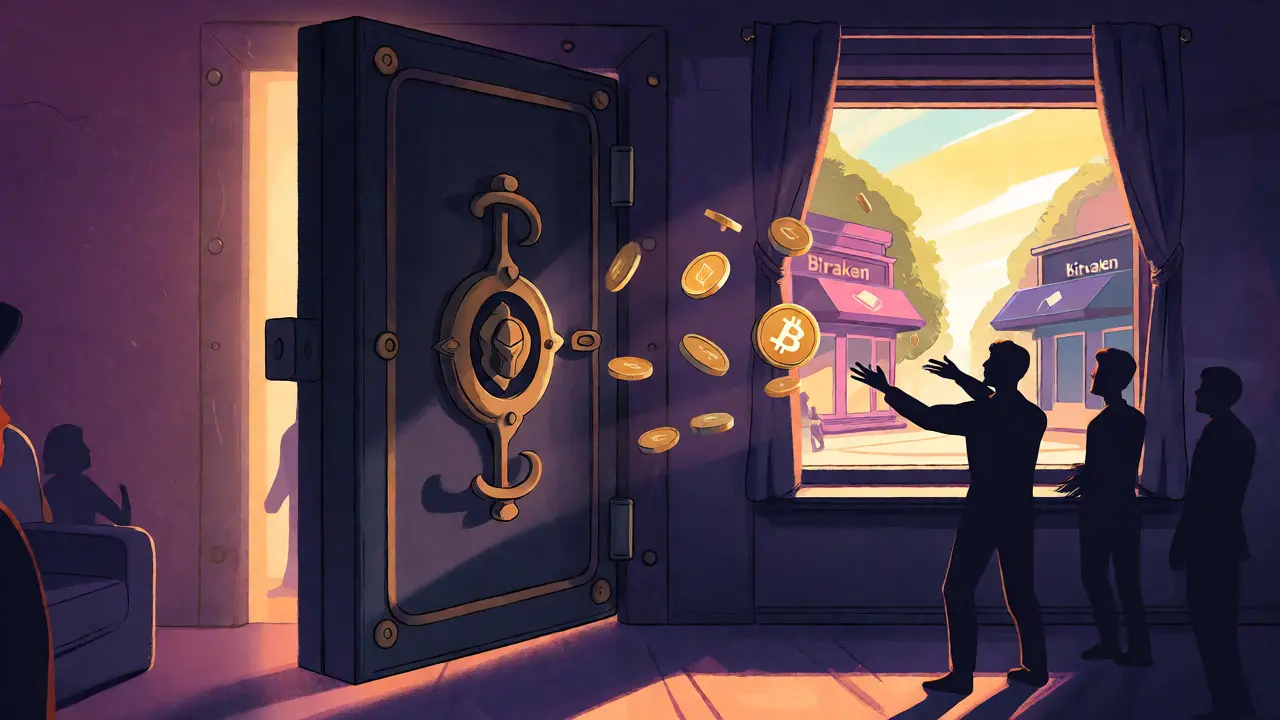
However, security isn’t just about tech; it’s about solvency and transparency. When LiteBit announced its closure, questions arose about user funds. Unlike some exchanges that faced bankruptcy scandals, LiteBit’s exit appeared orderly, though details on the final withdrawal process remained scarce in public records. For users, the lesson is clear: even regulated entities can fail or choose to exit the market. Keeping large amounts of crypto on any single platform carries risk.
What Happens Now? Alternatives for EU Users
If you were a former LiteBit user or are looking for a similar experience today, you have options. The goal remains the same: easy access to crypto with local payment support.
- Bitvavo: Often cited as the direct successor in spirit. Lower fees, Dutch roots, and strong iDeal support.
- Coinbase: Global giant with improved EU compliance and a very beginner-friendly app.
- Kraken: Offers robust security and good EUR pairs, though the interface is slightly more complex.
- Nexo or Revolut: Fintech apps that allow crypto purchases, though they may not give you full custody of keys.
Each has trade-offs. Bitvavo wins on fees and local payments. Coinbase wins on brand recognition and ease of use. Kraken wins on security reputation. Your choice depends on whether you prioritize cost, convenience, or control.
Lessons from LiteBit’s Closure
LiteBit’s story isn’t unique. Many early crypto businesses launched during the hype cycle and struggled to adapt when the market matured. The key takeaway? Simplicity alone isn’t enough anymore. Users now expect low fees, fast transactions, and advanced features wrapped in a simple package.
For investors, it reinforces the importance of diversifying platforms. Don’t keep all your eggs in one basket, especially if that basket is a single company’s wallet. Also, always check the current operational status of any exchange before transferring large sums. The crypto world moves fast, and yesterday’s leader can be today’s defunct site.
Is LiteBit.eu still open for trading?
No, LiteBit.eu is no longer operational. The company announced its closure, meaning new users cannot register, and existing users must withdraw funds according to the shutdown procedures outlined by the company.
Was LiteBit a scam?
No, LiteBit was a legitimate, regulated cryptocurrency broker based in the Netherlands. Its closure resulted from competitive pressures and business strategy shifts rather than fraud or insolvency scandals common in the industry.
What were LiteBit’s main fees?
LiteBit operated on a markup model, typically charging around 1.55% on transactions. This fee covered the spread between the market price and the price charged to the customer, unlike exchanges that charge separate maker/taker fees.
Which payment methods did LiteBit support?
The platform specialized in European payment methods, including iDeal, Bancontact, Sofort, EPS, Giropay, SEPA bank transfers, and credit/debit cards. This focus on local rails made it popular in the Benelux region.
Who should use LiteBit’s alternatives?
If you liked LiteBit for its simplicity, consider Bitvavo or Coinbase. If you want lower fees and don’t mind a slight learning curve, look at Kraken or Binance. Always verify current regulatory status in your specific country.