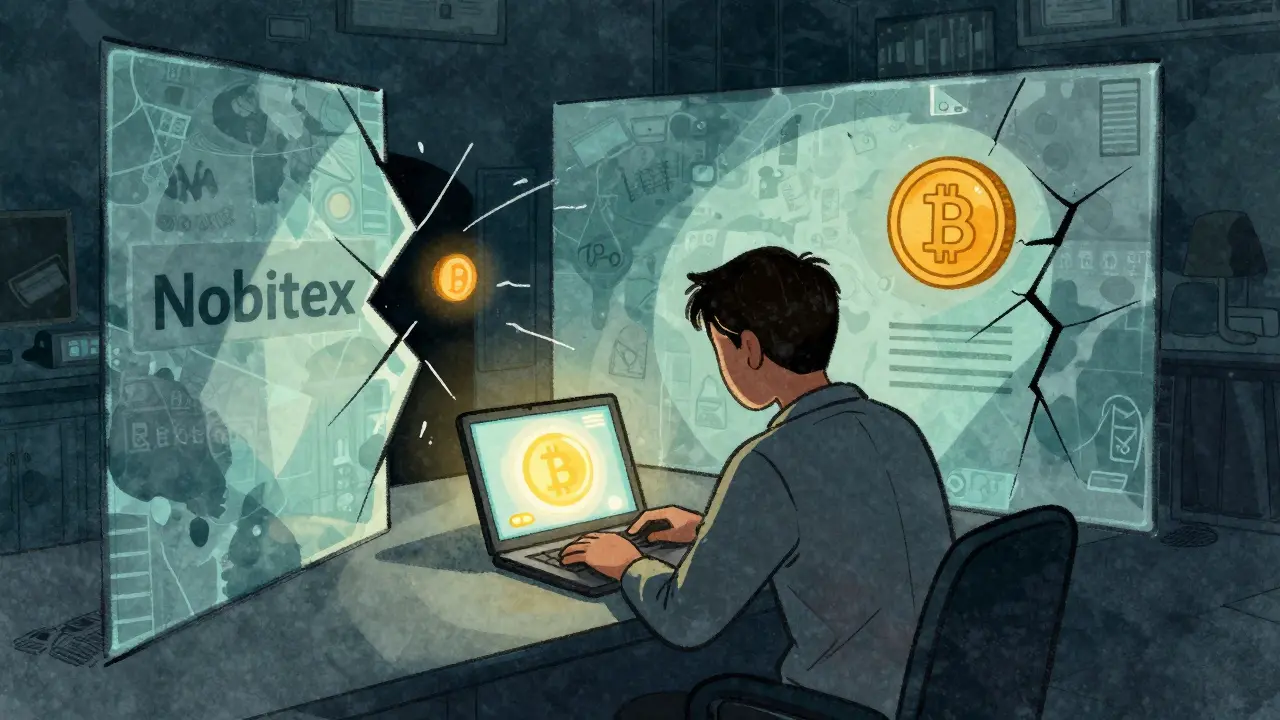
Accessing cryptocurrency markets has always been a complex puzzle for residents of sanctioned nations. By early 2026, over 11 million Iranians rely on digital assets to navigate an economy restricted by international banking limitations. You might be wondering which platforms are still open for business after the crackdowns of 2025. The landscape shifted dramatically last year, with major enforcement actions changing how users move money. Some exchanges remain active, while others have tightened their doors completely.
Finding a reliable venue to trade isn't just about picking a logo; it involves understanding security risks and local laws. In June 2025, the country’s largest domestic exchange suffered a massive breach. Later, in July, stablecoin issuers froze accounts linked to suspected sanction violations. If you are planning to trade, you need to know exactly who accepts you and what pitfalls await. Below is the breakdown of what works, what doesn’t, and how to stay safe in the current climate.
The Domestic Option: Nobitex
When talking about crypto trading inside Iran, Nobitex is the dominant domestic cryptocurrency exchange handling the majority of national transactions. As of late 2025, this platform claimed to process more than 87% of all cryptocurrency trades within the country. For many locals, it remains the default starting point because it supports the Rial directly and offers customer support in Persian.
However, relying solely on domestic infrastructure carries heavy risk. During June 2025, hackers exploited a vulnerability and stole over $90 million in various digital assets. This event highlighted significant security weaknesses. Furthermore, intelligence agencies flagged connections between the exchange and networks aligned with state financial operations. While it remains a popular choice due to its accessibility, the volatility surrounding its status means you should treat funds deposited there as high-risk exposure. Many users report keeping only what they plan to trade immediately rather than storing long-term holdings.
International Platforms Accepting Iranian Users
Despite global pressure, several international platforms continue to accept users from sanctioned regions. These platforms often rank higher for asset variety and liquidity compared to local options. You will notice varying minimum deposit requirements and fee structures depending on the service chosen. Here is how the top contenders compare based on 2025 evaluations:
| Platform | Overall Rating | Min Deposit | Supported Coins | Maker Fee |
|---|---|---|---|---|
| MEXC | 9.1 | $30 | 196 | 0.2% |
| KuCoin | 4.4/5 | Varies | 200+ | 0.1% |
| XT.com | 8.3 | $10 | 1,010 | 0.2% |
| Bitsgap | 8.4 | $0 | 673 | Variable |
| CoinEx | 7.9 | $1 | 475 | 0.49% |
MEXC is a leading global exchange offering low entry barriers and broad coin selection. With a rating of 9.1, it currently leads the pack for those needing spot trading capabilities. The requirement is a small deposit of $30, which makes it accessible for beginners. KuCoin is a highly-rated platform known for its large selection of altcoins and beginner-friendly interface. Users praise its native token staking features, though you need to verify current fiat withdrawal policies regularly as compliance checks tighten globally.
For automation traders, Bitsgap is a trading bot platform connecting to multiple exchanges. Since it acts as middleware, it sometimes bypasses strict regional filters depending on your IP setup. LATOKEN and CoinEx round out the viable options for those willing to pay slightly higher maker fees around 0.49%. Remember that fees can eat into profits quickly if you are executing high-frequency trades.
Sanctions Enforcement and Stablecoin Risks
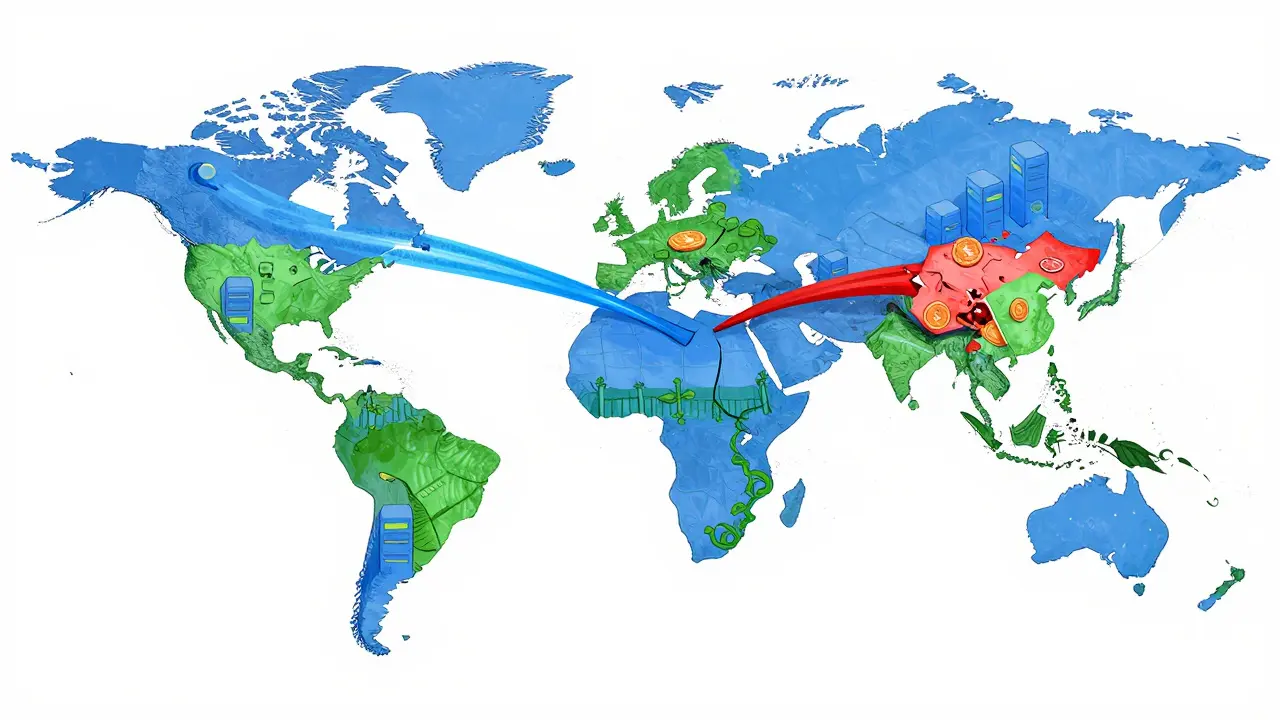
You cannot discuss trading without addressing the elephant in the room: sanctions. The most significant disruption occurred in July 2025 when Tether is the issuer behind the USDT stablecoin widely used for cross-border transfers.. They executed a historic freeze on 42 cryptocurrency addresses linked to Iranian entities. This action forced immediate adaptation across the community.
Half of those frozen wallets had substantial exposure to Nobitex, creating a ripple effect throughout the domestic market. The lesson here is stark: holding USDT on centralized ledgers connected to sanctioned jurisdictions puts your capital at risk. Following this event, there was a mass migration toward alternative stablecoins like DAI is a decentralized stablecoin maintained by smart contracts.. Many users switched to transacting via the Polygon is a blockchain network offering faster and cheaper transactions than Ethereum mainnet. network. This shift demonstrated the agility of retail participants in finding workarounds when primary channels are cut off.
While moving to decentralized finance protocols helps avoid central entity bans, it introduces technical complexity. You must manage private keys securely and understand gas fees on different networks. Decentralized swaps do not offer account recovery if you lose access, so backup your seeds in physical locations away from your device.
Local Regulations and Taxation
Beyond international pressure, the government in Tehran has also begun formalizing oversight. In August 2025, lawmakers passed the Law on Taxation of Speculation and Profiteering. This legislation marked the first time the state imposed capital gains tax specifically on cryptocurrency trading. Digital assets were officially grouped alongside speculative items like gold, real estate, and foreign currency.
This regulatory shift signals a move from passive tolerance to active governance. Implementation phases are still rolling out, but you should expect reporting requirements to increase. Ignoring these local mandates could lead to legal complications domestically, even if you managed to avoid international sanctions scrutiny. Keeping records of your profit margins is now essential for compliance.
Security Best Practices for 2026
If you proceed with trading, prioritize security above all else. Start with rigorous Know Your Customer (KYC) awareness. International exchanges may ask for ID documents, and providing fake information is a fast track to permanent bans or fund freezes. Using Virtual Private Networks (VPNs) can mask your location, but sudden location hops trigger fraud alerts.
Diversify your storage. Never leave large amounts on an exchange. Hardware wallets remain the safest option for cold storage. Regularly check the news feeds of the platforms you use; policies change weekly. A platform accepting Iranian users today might close that door tomorrow following new intelligence reports. Finally, be wary of scams targeting stressed users. Phishing emails pretending to be exchange support teams spiked in 2025. Always verify URLs before entering credentials.
Is it safe to use Nobitex?
While it is the largest local exchange, it faces security risks and sanctions designation. Use it cautiously for short-term trading, not long-term storage.
Can I withdraw USD to my bank?
Direct fiat withdrawals to traditional banks are difficult due to SWIFT restrictions. Most users convert crypto to Rials through P2P methods instead.
Are USDT balances risky?
Yes. After July 2025, Tether froze specific addresses. Switch to DAI or other non-custodial assets to reduce freezing risk.
Do I need to declare crypto income?
Under the August 2025 tax law, cryptocurrency profits are subject to capital gains tax. You should maintain transaction logs for compliance.
Which exchange has the lowest fees?
MEXC offers a competitive 0.2% spot maker fee. KuCoin also provides discounts for users holding their native tokens.
How does KYC affect me?
Strict KYC can block access. Some platforms like Bitsgap require less verification, but fully anonymous trading is becoming rarer.
What happened in the June 2025 hack?
Hackers exploited Nobitex stealing over $90 million. It exposed vulnerabilities in domestic infrastructure linked to cross-border evasion.
Is Polygon safe for stablecoins?
Polygon offers lower fees and speed for DAI transfers. However, you must secure your private keys personally on this network.
Can I use Bitcoin directly?
Bitcoin remains censorship-resistant but volatile. Use it for transport, but stablecoins like DAI are better for daily value preservation.
Will access change soon?
Geopolitical pressures fluctuate. Keep backups of accounts and maintain diverse exit strategies for your funds.
The analysis of Nobitex vulnerability is spot on and people ignoring the hack data are living dangerously. Security audits failed completely during the June incident and that remains a massive red flag for anyone holding assets there. Domestic options seem convenient until the ledger freezes hit you unexpectedly. Traders often forget that liquidity means nothing when withdrawals get blocked by sanctions. The platform dominance creates a single point of failure that regulators could target easily. Staking rewards mean little when the principal capital vanishes overnight due to exploit. People keep asking for guaranteed safety while trading in unregulated markets. Risk management strategies listed here actually matter more than coin selection.
I am so scared thinking about losing everything again after hearing about the ninety million theft. It feels like everyone loses money somewhere online and then they blame the victim. Why would anyone trust a place connected to state operations honestly. The stablecoin freeze story made me cry because I almost used that wallet yesterday. My family needs the savings to survive the inflation crisis right now. Seeing another exchange close feels like a nightmare repeating itself constantly. I wish someone told us sooner about which platforms are actually safe to use.
Tether freezing accounts is just capitalism working exactly as designed for profit margins. Sanctions compliance officers love making headlines while retail traders lose sleep. Nobody ever learns the lesson that centralized keys are basically digital handcuffs. The whole industry operates on trust which is a terrible business model for privacy advocates. I expect another mass migration to DeFi protocols once the next crackdown hits hard.
We are witnessing the birth of a new financial era defined by resilience against traditional gatekeepers. Blockchain technology offers freedom that borders cannot truly restrict despite aggressive enforcement attempts. True sovereignty lies in owning your private keys away from corporate servers. The community adapts faster than any law can enforce restrictions on digital movement. We stand united through code that transcends geographical limitations and borders.
Huge alert on the USDT freeze situation 👈 Many wallets were affected last year 💸 If you hold fiat linked coins you need to move ASAP 😨 The Polygon network is safer for now ✅ But remember security is on you 🔐 Don't click random links from emails 🚫 Stay sharp and protect your seed phrase 🔒🔒🔒
I dont know if i can trust anythng really with all these tax laws now. The governement wants a piece of profit which sounds scary to ignore. Maybe i should just stop trading entirely and save cash locally insted. Keeping records is hard when prices change evry day and software fails. I hope people read the new legislation before doing anything risky online.
It is understandable that everyone feels overwhelmed by the regulatory shifts happening globally right now. Many individuals struggle to navigate the complex landscape of international banking restrictions alone. Sharing knowledge helps build a safer environment for those trying to preserve wealth. Community support matters more than isolated efforts when facing systemic risks together.
Store your funds in cold storage hardware wallets immediately.
This breakdown of the exchaneges was really helpful for understanding my options today. Thank you for putting all the fee strutures in one easy table view. I noticed the min deposit diffs are huge between the services listed. I will likely try the lowest one first to test waters safely.
People forget that the entire concept of money is just shared belief systems enforced by violence. When governments ban transactions they create black markets where desperation drives innovation forward. The nobitex hack showed exactly why centralization fails under external pressure attacks. Hackers found the weakness because security teams prioritized speed over safety protocols initially. Stablecoins like tether act as bridges between real currency and digital value chains globally. When those bridges burn down refugees scramble for new boats in rough seas. The shift toward decentralized finance protocols proves that users want autonomy badly. Smart contracts remove the middleman who decides who gets access to funds. Gas fees become the only cost barrier instead of bureaucratic permission checks everywhere. Privacy becomes the most valuable asset class in a surveillance economy soon. Those who ignore encryption eventually lose everything when authorities pull the plug. Hardware wallets provide the ultimate shield against remote account takedowns effectively. Backups stored physically prevent catastrophic loss from device failures completely. Education beats regulation because knowledge cannot be censored by firewall filters. The future belongs to those who own their data and verify every transaction personally.
You all need to stay positive even when things look bleak financially. There is always a way to manage wealth if you remain calm under pressure. The market will find stability eventually after these turbulent months pass. Keep learning about the tech and you will find better opportunities ahead.
the fees are so high and it sucks that i lost money last week without warning at all and now i am worried about my remaining balance going missing too nobody tells you about the hidden charges until it is too late
Everyone is doing the best they can with the information available right now. I think we should all share what works and what fails so we help each other out. Being open minded about new tools makes survival easier in tough times.
Compliance is necessary if you want to keep your access to these platforms long term. Ignoring tax laws invites trouble that goes beyond just losing money online. Follow the reporting guidelines strictly to avoid getting flagged by domestic agencies. Protect your identity while maintaining transparency where required by local law.
Sanctions are supposed to hurt these economies but they just create clever workarounds instead. Watching the government fail to stop crypto flows is entertaining for outsiders. Local laws never catch up to digital speed in reality anyway.
The global elites orchestrate these market fluctuations to consolidate power over weak nations systematically. They design the sanctions regime specifically to cripple financial independence movements worldwide. Deep state agents monitor every blockchain address tied to sanctioned regions closely. The narrative suggests freedom but it is merely controlled opposition within their system. History repeats itself when central banks face obsolescence from cryptographic solutions. Beware the false promise of decentralisation when algorithms track user behavior constantly.