
Meme coins are unique assets. Unlike Bitcoin, which often moves with technology adoption or macroeconomic news, Memecoins thrive on attention. In 2024, the total market capitalization for these tokens surged from under $60 billion to nearly $100 billion. That represents a year-over-year increase of more than 50%. This growth happened despite many of these projects lacking real-world utility or application scenarios. So, what fuels this engine? It isn't just speculation; it is the direct transmission of energy from social media platforms directly into trading volumes.
The Psychology Behind the Pump
You might wonder why people buy tokens named after animals or internet jokes. The answer lies in human behavior. When a meme goes viral, it triggers the Fear of Missing Out, commonly known as FOMO. Gate Research highlights that professional analysts identify social media as the primary driver of this behavior. This intensifies short-term price swings significantly. Imagine seeing a video where someone turned $100 into $1,000 in a day. Your brain reacts before your logic catches up. This reaction creates immediate buying pressure. Unlike traditional stocks, where earnings reports drive value, memecoins rely on community sentiment. If the conversation stops, the price usually collapses just as fast as it rose.
TikTok Versus Twitter: Different Engines
Not all social platforms work the same way. They have distinct roles in shaping price discovery. A comprehensive analysis reveals that TikTok demonstrates superior short-term predictive power for speculative movements. Its algorithm favors visual content, making complex financial topics digestible entertainment. For younger demographics, short-form videos simplify market dynamics into easy-to-understand narratives. Research shows that combining sentiment signals from TikTok and Twitter enhances cryptocurrency return forecasts by up to 20%. TikTok alone improves short-term Dogecoin predictions by 35%. However, volatility transmission data indicates TikTok receives high shock impacts at 1.90%, meaning sudden trend changes hit hard and fast.
| Platform | Primary Influence | Volatility Shock | User Behavior |
|---|---|---|---|
| TikTok | Short-term speculation | 1.90% | Impulsive buying |
| Twitter (X) | Long-term trends | 4.65% | Technical analysis |
| Community building | Variable | Momentum generation |
In contrast, Twitter acts differently. It serves as the primary hub for technical analysis sharing and expert commentary. While TikTok drives the initial rush, Twitter aligns better with long-term market dynamics. Users here tend to discuss charts and deeper project details. Statistical analysis reveals a high correlation coefficient of 0.85 between Bitcoin and major memecoins like DOGE, SHIB, and PEPE. Yet, social media amplifies these movements beyond traditional market correlations. Twitter sentiment shifts often signal when a longer holding period might begin, whereas TikTok spikes fade quickly. Understanding this distinction helps traders time their entries and exits more effectively.
The Data Behind the Noise
You can quantify this influence. Academic researchers collected 1.36 million tweets from over 129,000 unique users to study engagement patterns. They used powertags-dollar signs followed by ticker symbols like $BTC or $ETH-as the primary identification method. This massive dataset allows us to see exactly how conversations translate to money. Dogecoin emerges as the primary transmitter of volume spillovers at 83.90%. This means when Dogecoin moves, it pulls liquidity into other tokens. Conversely, stablecoins exhibit limited responsiveness to social media sentiment because their values are pegged. This provides a clear distinction in influence patterns. Memecoins fluctuate within hours of viral content creation, showing extreme sensitivity compared to established infrastructure projects.

A Cautionary Tale: The $WOLF Crash
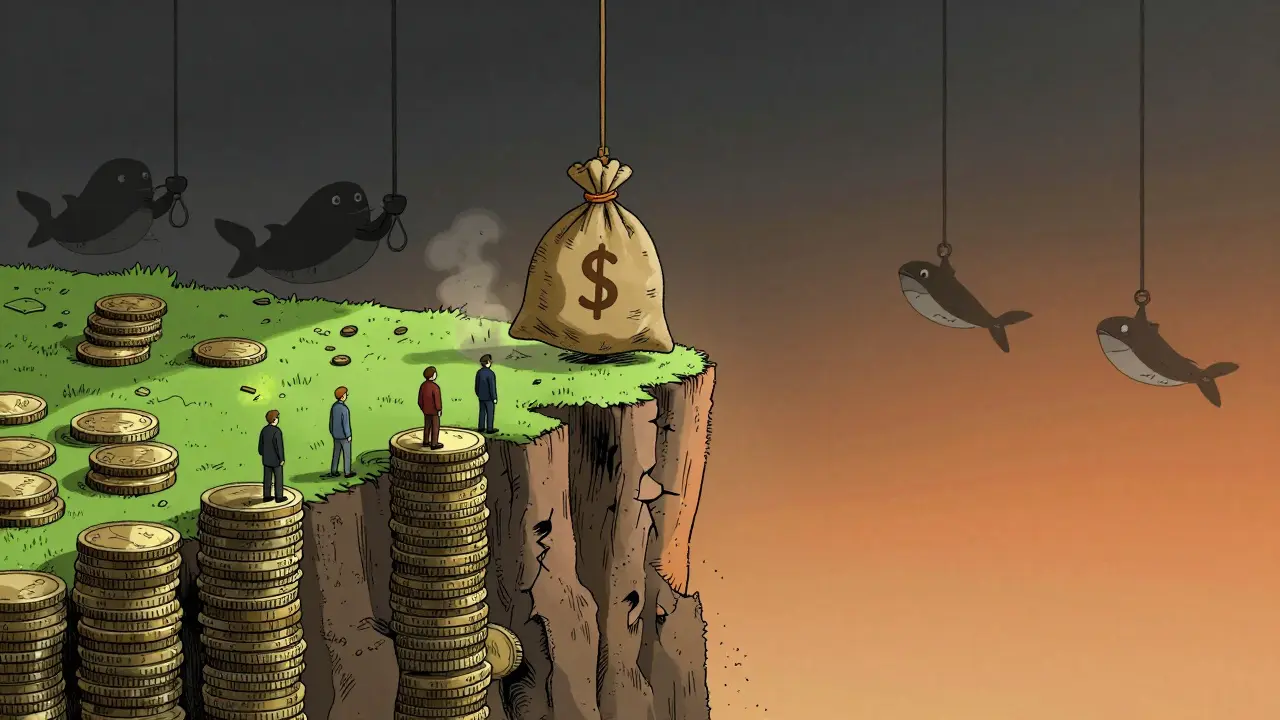
Every story needs a warning label. Let’s look at the $WOLF memecoin case study. Initial hype from the WallStreetBets community drove the token to a $40 million market cap in a remarkably short time. People saw the green candles on their screens and poured money in. Then reality set in. On-chain analysis revealed that 82% of the total supply was concentrated in a handful of wallets. When those whales dumped their bags, the floor collapsed. Reddit users frequently report rapid gains followed by equally rapid losses. Community sentiment shifted dramatically based on influencer posts and trending hashtags. This scenario illustrates the danger of relying solely on social hype without checking the distribution of tokens.
Tools for Navigating the Chaos
If you want to trade memecoins successfully, you need more than a hunch. Successful participants utilize sentiment analysis tools and social media listening platforms. You need to track wallet concentrations, transaction patterns, and community engagement metrics. The learning curve is steep. It requires understanding multiple platform algorithms, influencer impact assessment, and rapid decision-making capabilities. One common challenge includes distinguishing between organic viral content and coordinated pump schemes. Another is identifying legitimate community-driven projects versus potential scams. Essential skills include technical analysis, risk management, social media trend identification, and on-chain data interpretation.
Time investment is substantial. Traders often monitor multiple platforms continuously during market hours. Many describe monitoring social feeds for the next viral opportunity as addictive. Some even describe it as gambling rather than investing. It is vital to recognize this mindset trap early. Managing the psychological pressure of FOMO-driven decision making is arguably harder than reading the charts. Without discipline, the emotional highs and lows can erode capital quickly.
Risks and Regulatory Shifts
The regulatory landscape remains uncertain as we move through 2026. Authorities are increasingly scrutinizing social media influence on financial markets. They focus particularly on coordinated manipulation and misleading promotional content. Platforms are implementing more stringent policies regarding cryptocurrency promotional content. This potentially affects the organic spread of memecoin-related viral content. However, institutional interest in social media sentiment as a legitimate market indicator is growing. Traditional financial firms are developing cryptocurrency sentiment indexes that incorporate Twitter, Reddit, and TikTok data.
Industry trajectory points toward the integration of social media metrics with traditional financial analysis. Hybrid evaluation models account for both fundamental project characteristics and social media momentum indicators. Long-term viability assessments indicate that while social media will remain influential, regulatory interventions may reduce the extreme volatility currently characterizing these markets. Expert assessments consistently warn about the risks associated with social media-driven investments. Concentrated wallet ownership creates vulnerability to manipulation and rug pull scenarios. Always verify who controls the tokens before buying.
Frequently Asked Questions
Which social media platform predicts memecoin prices best?
Research suggests TikTok excels at predicting short-term speculative movements, improving Dogecoin predictions by 35%. Twitter correlates better with long-term trends and technical analysis discussions.
Do all cryptocurrencies react to social media hype?
No. Stablecoins exhibit limited responsiveness due to their pegged values. Memecoins show extreme sensitivity, while major coins like Bitcoin have stronger underlying fundamentals.
What is the biggest risk when following influencers?
The highest risk is falling victim to pump schemes or buying tokens where the majority of supply is held by a few wallets, leading to potential price crashes if they sell.
The data here is actually pretty comprehensive!!! It really highlights the disconnect between fundamental value and social sentiment!!! The volatility shock numbers are alarming for sure!!!
TikTok is effectively hijacking price discovery mechanisms with superficial content delivery systems.
This whole narrative ignores the structural integrity of American financial systems.
We cannot simply hand over our economic future to foreign algorithms.
The dominance of TikTok in shaping price action is alarming for domestic investors.
Trusting a platform based overseas for serious asset valuation is not prudent.
The data presented here suggests a vulnerability we cannot afford.
American innovation should drive these markets not viral video clips.
We need stricter controls on how information flows through these apps.
The lack of regulation regarding influencer compensation is deeply concerning.
People lose life savings because of coordinated manipulation schemes.
These platforms profit from our collective anxiety without accountability.
Institutional involvement is necessary to bring order back to this chaos.
We must prioritize fundamental value over short-term speculative frenzy.
The current trajectory encourages reckless behavior among young retail traders.
Protecting our citizens from digital predation is a national security issue.
We have to demand transparency before we allow further market distortion.
One must certainly admire the confidence required to equate algorithmic engagement metrics with sovereign economic policy.
Such conflation is intellectually bankrupt if we wish to maintain any semblance of rigorous discourse.
This analysis holds significant predictive value for Q3 strategies.
But have you ever thought about what happens when the trend reverses overnight?
It feels incredibly unsafe to bet your savings on internet jokes!
I trully believe tiktok drives the hype more than x nowadayss.
the fomao is real and people dont check te charts anymore.
That is such a valid observation though we still see amazing opportunities every single day!
Please stay safe and remember to diversify your portfolio friends!
The meme is the real currensy of the soul in the digital age.
People search for meaning in symbols when the economy fails them.
people really think they can trade without understanding liquidity pools and smart contract risks its all gambling disguised as investing ive seen too many portfolios wiped out by fomo chasing green candles on social feeds without checking holder distribution the whales always dump when the crowd buys in
Typical bear mindset :( why do you always focus on the negatives instead of the gains?
It appears we agree on the volatility factor.
The statistical evidence supports your concern regarding liquidity depth.
Yes absolutely! Let us dive deeper into the metrics together!
Community sentiment analysis is the way forward for 2026 trading.
cool to see the numbers laid out like that
i guess the risk management stuff makes sense too
I am grateful for your contribution to this ongoing discussion regarding market dynamics.
While I acknowledge the potential for high returns, the associated psychological burden often goes unmentioned in enthusiastic reports.
We must remain mindful of the emotional toll that constant monitoring takes on mental health and decision-making capabilities.