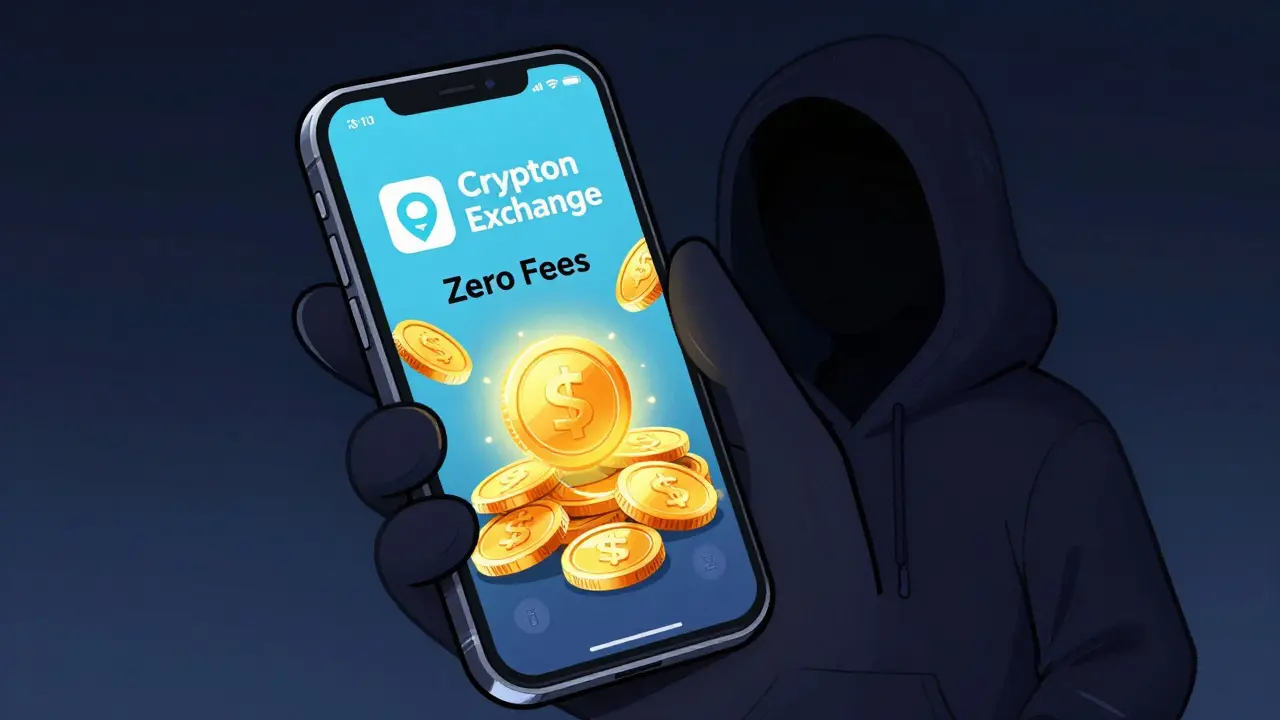
You’ve probably seen the ads for Crypton Exchange popping up on social media. They promise high returns, zero fees, and an app that looks like it was designed by Apple’s top team. It’s tempting. But before you transfer your savings, you need to know what’s actually happening behind the screen. In the world of cryptocurrency, shiny interfaces often hide risky business models.
Here is the hard truth: Crypton Exchange is not a recognized, regulated entity in major financial jurisdictions like the United States, United Kingdom, or European Union. While many users confuse it with legitimate platforms due to similar naming conventions, independent security audits and regulatory databases show no record of this specific platform holding valid licenses from bodies like the SEC, FCA, or ASIC. This article breaks down exactly why you should be cautious, compares it to verified alternatives, and helps you decide where your money is truly safe in 2026.
What Is Crypton Exchange? Unpacking the Brand
To understand if a platform is worth your trust, you first need to identify who runs it. A quick search for "Crypton Exchange" reveals a fragmented digital footprint. There is no publicly listed company, no physical headquarters address that can be independently verified, and no named executive team with professional histories on LinkedIn or other professional networks.
This anonymity is a massive red flag. Legitimate exchanges, such as Coinbase or Kraken, are required by law to disclose their corporate structure because they handle customer funds. The lack of transparency suggests that Crypton Exchange may be operating as an unregulated offshore entity. In the crypto space, this often leads to one of two outcomes: either the platform collapses under technical debt, or worse, it operates as a "pig butchering" scam where users can deposit funds but cannot withdraw them.
Furthermore, the name itself is generic. "Crypto" and "Exchange" are common terms. Many fraudulent sites use variations of these words to appear authoritative. Without a unique brand identity or a history of public accountability, there is no recourse for you if something goes wrong. You are essentially handing over your assets to a black box.
Red Flags: Why Experts Are Warning Users
If you’re considering signing up, look closely at the operational mechanics. We’ve identified several critical warning signs that distinguish Crypton Exchange from reputable industry leaders.
- No Regulatory Licensing: As of June 2026, Crypton Exchange does not appear on the registers of the Financial Conduct Authority (UK), the Securities and Exchange Commission (US), or the Australian Securities and Investments Commission (ASIC). Operating without these licenses means there is no government oversight protecting your funds.
- Aggressive Marketing Tactics: Legitimate exchanges rarely pay influencers to spam their followers with links to sign up. If you see celebrities or finance gurus pushing Crypton Exchange with promises of "guaranteed profits," it is likely a paid promotion rather than genuine endorsement. Real trading involves risk; guaranteed returns are a mathematical impossibility.
- Withdrawal Issues: User reports on forums like Reddit and Trustpilot frequently mention hidden fees when trying to cash out. Some users report being asked to pay "taxes" or "verification fees" to release their own money. This is a classic scam tactic. Legitimate exchanges deduct fees from your balance; they never ask for external payments to process withdrawals.
- Lack of Proof of Reserves: Since 2022, major exchanges have adopted Proof of Reserves (PoR) to prove they hold user assets 1:1. Crypton Exchange provides no audited proof of reserves. This means they could be lending out your money or using it for speculative trades, leaving you exposed if the market crashes.
Crypton Exchange vs. Legitimate Alternatives
To put the risks into perspective, let’s compare Crypton Exchange with established, regulated platforms that dominate the market in 2026. These alternatives offer similar features-easy apps, low fees, and wide coin selection-but with the backing of legal compliance and insurance.
| Feature | Crypton Exchange | Coinbase | Kraken |
|---|---|---|---|
| Regulatory Status | Unregistered / Unknown | Registered (SEC, FinCEN) | Registered (FinCEN, FCA) |
| Proof of Reserves | None provided | Audited monthly | Audited regularly |
| Customer Support | Chat only (slow response) | 24/7 Chat & Email | 24/7 Chat & Phone |
| Security Features | Basic 2FA | Hardware Key support, Insurance | Cold Storage, Multi-sig |
| Trust Score | Low / High Risk | High (95+) | High (98+) |
The difference is stark. When you use Coinbase or Kraken, you are interacting with companies that have survived multiple market cycles and regulatory scrutiny. They invest millions in cybersecurity and legal compliance. Crypton Exchange offers none of these safeguards. For a beginner, the interface might feel simpler, but simplicity shouldn’t come at the cost of security.
How to Spot a Crypto Scam in 2026
Understanding how scams operate is your best defense. Here is a checklist to evaluate any new exchange before you connect your bank account.
- Check the Domain Age: Use tools like Whois lookup. If the domain was registered less than a year ago, proceed with extreme caution. Established exchanges have domains that are years old.
- Verify the Company Address: Look up the physical address listed on their website. Does it match a real office building? Or is it a virtual mailbox service? Legitimate companies have verifiable headquarters.
- Read Independent Reviews: Ignore reviews on the exchange’s own website. Go to Trustpilot, Reddit, or specialized crypto forums. Look for patterns in complaints, especially regarding withdrawals.
- Test with Small Amounts: Never deposit your life savings immediately. Start with $10. Try to withdraw it. If the withdrawal process is delayed, complicated, or requires extra fees, stop immediately.
- Look for Pressure Tactics: If customer support urges you to deposit more money quickly to "unlock features" or "avoid penalties," it is a scam. Legitimate businesses do not pressure customers.
Best Safe Alternatives for Beginners
If you want to trade crypto safely, stick to platforms that have proven their reliability. Here are three top choices for 2026 that balance ease of use with robust security.
Coinbase remains the gold standard for beginners. It is publicly traded on the NASDAQ, meaning it must follow strict financial reporting rules. Their interface is intuitive, and they offer educational resources to help you learn. While fees can be higher on their basic plan, their Advanced Trade option lowers costs significantly. More importantly, they insure USD deposits up to $250,000 through FDIC coverage, providing a layer of protection that unregulated exchanges simply cannot offer.
Kraken is ideal if you are willing to spend a little time learning. It has one of the strongest security records in the industry, having never been hacked since its launch in 2011. Kraken offers lower fees than Coinbase and supports a wider range of altcoins. Their customer support is highly rated, and they provide detailed tax reports, which saves hours during tax season. If you value privacy and low costs, Kraken is a superior choice to any unknown platform.
Binance US offers a middle ground. It provides access to hundreds of cryptocurrencies with competitive fees. While it faces ongoing regulatory discussions, it operates within U.S. laws and maintains significant liquidity. For traders who want variety without the complexity of decentralized exchanges, Binance US is a reliable option. Just ensure you are using the .com global site only if you are outside the U.S., as the U.S. version has different asset listings.
Final Verdict: Avoid Crypton Exchange
The evidence is clear. Crypton Exchange lacks the regulatory oversight, transparency, and security infrastructure required to protect your assets. In an industry where hacks and frauds are common, taking shortcuts on safety is a gamble you shouldn’t take. The potential reward of a slightly better-looking app or lower advertised fees is not worth the risk of losing your entire investment.
Stick to regulated, well-known platforms like Coinbase, Kraken, or Binance US. They may require identity verification (KYC), but this process is what keeps bad actors out and ensures that your money is backed by real assets. Your financial security is more important than convenience. Choose a partner that values your safety as much as you do.
Is Crypton Exchange a scam?
While we cannot definitively label it a scam without a court ruling, Crypton Exchange exhibits all the major red flags of fraudulent platforms. It lacks regulatory licensing, has no transparent ownership, and has numerous user complaints regarding withdrawal difficulties. It is highly recommended to avoid it.
Can I withdraw money from Crypton Exchange?
Many users report significant delays or inability to withdraw funds. Some are asked to pay additional fees to release their money, which is a common scam tactic. If you have funds stuck, contact your bank immediately to dispute charges if possible.
What is the safest crypto exchange in 2026?
For most users, Coinbase and Kraken are considered the safest options due to their regulatory compliance, public auditing, and strong security histories. Both platforms offer insurance for fiat currencies and maintain cold storage for the majority of crypto assets.
Why are there no reviews for Crypton Exchange on Trustpilot?
Legitimate businesses usually have a mix of positive and negative reviews over time. A complete absence of reviews, or a sudden influx of only 5-star reviews from new accounts, suggests manipulation. Always check independent forums like Reddit for unbiased user experiences.
Does Crypton Exchange require KYC?
If an exchange does not require Know Your Customer (KYC) verification, it is often a sign that it is avoiding regulatory scrutiny. While privacy is important, legitimate exchanges must verify identities to prevent money laundering. Lack of KYC increases the risk of fraud.
Look, I've been in the crypto space since 2017 and this is exactly why people lose their shirts. The lack of regulatory oversight isn't just a 'red flag', it's a neon sign screaming danger. If you can't find who runs the company or where they are located, your money is already gone, you just haven't realized it yet. Stick to Coinbase or Kraken like the article suggests. It's boring but safe.
I really appreciate how detailed this breakdown is because it actually explains the mechanics behind why these platforms are dangerous rather than just saying 'don't do it'. It’s fascinating how they use such sleek interfaces to mask the complete absence of legal structure, and I think many beginners fall for that aesthetic without realizing that simplicity in design often correlates with complexity in fraud. The point about Proof of Reserves is particularly crucial because without audited transparency, there is literally no way to verify if your assets exist at all, which makes me wonder how many other similar platforms are operating under the radar right now waiting for the next market dip to collapse. We need more educational content like this that empowers users to check domain ages and verify physical addresses before they even think about connecting their bank accounts.
The interface looks nice but that means nothing. Real investors know better.
you guys are all sheep following the herd into regulated cages while the real money is made in the wild west of unregulated exchanges its not a scam its just high risk high reward and if you cant handle that maybe stick to your savings account earning zero percent interest
i totally agree with the post tho, i lost some cash on a similar site last year called 'crypto vault' or something and they asked me to pay tax to withdraw lol never again. kraken is da best for sure, low fees and they dont play games with u.
Wait, so if they ask for external payment for withdrawal, that's definitely a scam? I had a friend who got stuck on a platform that kept asking for 'verification fees' and he thought it was normal because support said it was standard procedure. This clarifies a lot. Do you have any tips on how to report these sites to authorities?
the illusion of security is the most powerful drug in the modern age we trade our freedom for safety and call it progress when in reality we are just handing over our keys to men in suits who will sell them to the highest bidder anyway so why bother with the middleman
🚨 huge red flags everywhere 🚨
i always check trustpilot first but even then fake reviews are easy to spot if you look closely at the dates and user history. also the part about 'guaranteed profits' should be an instant block button for anyone reading this. stay safe out there folks! 💸📉
This is garbage advice from someone who clearly doesn't understand the decentralized ethos. You're promoting corporate overlords here. These 'regulated' exchanges are just as likely to freeze your funds during political pressure, remember what happened in Russia? At least with Crypton you have a chance if you act fast. Don't let fear keep you poor.
omg stop spreading misinformation you absolute clown. i used crypton exchange for months and never had an issue until they changed their terms of service which is completely legal btw. people like you ruin the internet with your paranoid nonsense. do your own research instead of listening to some random blog post.
they want you to use coinbase because coinbase reports everything to the irs. the whole system is designed to track your every move and steal your wealth through inflation and taxes. unregulated is the only way to preserve true sovereignty. wake up sheeple.
hey man, just wanted to say thanks for writing this. i was about to sign up after seeing an ad on twitter but saw this comment section and decided to double check. turns out the domain was registered 3 months ago. good catch everyone. im sticking to binance us for now.
Haha, look at these people getting so worked up over a simple exchange review. Relax guys, if it were a scam, the government would shut it down immediately. Right? 😂 Just kidding, don't put your rent money in there though.