
You deposit $10,000 worth of Bitcoin into a lending protocol. You expect to borrow $9,000 against it. Instead, the platform says your limit is only $8,500. Why? That missing $500 isn't a fee-it's the collateral factor, a safety buffer that dictates exactly how much leverage you can take. Understanding this number is the difference between profitable leverage and losing your entire stack in a market dip.
In decentralized finance (DeFi), nobody checks your credit score. They don't care about your job or your history. They only care about the assets sitting in your wallet. This shift from identity-based trust to code-based trust changes everything about how we calculate borrowing power. If you get this wrong, smart contracts will liquidate your position without warning. Let’s break down how these numbers work, why they change, and how to manage them safely.
What Is a Collateral Factor?
The collateral factor is a percentage set by a lending protocol. It represents the maximum portion of your collateral’s value that you are allowed to borrow. If a protocol sets the collateral factor for Wrapped Bitcoin (WBTC) at 85%, you can borrow up to 85% of the USD value of your WBTC holdings.
Think of it like a house loan, but faster and stricter. In traditional banking, if you put down 20% on a house, you’re borrowing 80% of its value. In DeFi, the math is similar, but the rules are automated. The protocol doesn’t negotiate with you. If you try to borrow more than the collateral factor allows, the transaction simply fails.
Here is the basic formula:
- Borrow Limit = Value of Collateral × Collateral Factor
If you supply $10,000 of an asset with a 60% collateral factor, your borrow limit is $6,000. You cannot borrow $6,001. The system blocks it instantly.
How Borrowing Power Works in Practice
Your total borrowing power is the sum of the limits across all assets you’ve supplied as collateral. Most major protocols allow you to mix different assets. You might use stablecoins for low-risk borrowing and volatile tokens for higher-yield strategies.
Let’s look at a real-world scenario using hypothetical data from a platform like Compound Finance:
- You deposit $5,000 worth of USDC. The collateral factor for USDC is 75%. Your borrow limit from this asset is $3,750.
- You also deposit $5,000 worth of WBTC. The collateral factor for WBTC is 85%. Your borrow limit from this asset is $4,250.
- Total Borrowing Power = $3,750 + $4,250 = $8,000.
You now have access to $8,000 in liquidity. You can borrow USDC, DAI, or other supported tokens up to that limit. However, having the power to borrow doesn’t mean you should borrow the full amount. Doing so leaves you with zero margin for error.
Why Do Collateral Factors Vary?
Not all assets are treated equally. Protocols assign collateral factors based on two main metrics: volatility and liquidity.
Volatile assets like meme coins or new altcoins get lower collateral factors-sometimes as low as 50% or less. If the price drops 10% in an hour, the protocol needs a bigger buffer to cover the loss when they sell your collateral.
Liquid assets like USDC, USDT, or WBTC get higher factors because they can be sold quickly on the open market without crashing the price. A protocol can offload millions of dollars in USDC in seconds. Selling a niche token might take days, during which the price could keep falling.
| Asset Type | Example Assets | Typical Collateral Factor | Risk Profile |
|---|---|---|---|
| Stablecoins | USDC, DAI, USDT | 75% - 80% | Low |
| Major Cryptos | WBTC, ETH | 80% - 85% | Medium |
| Large Cap Alts | SOL, AVAX, LINK | 60% - 70% | Medium-High |
| High Volatility | New Tokens, Meme Coins | 40% - 50% | Very High |
Note that these numbers change. Protocols adjust factors dynamically. If Bitcoin becomes extremely volatile, a protocol might lower its collateral factor from 85% to 75% overnight to protect the pool. Always check the current settings before you transact.

DeFi vs. Traditional Lending: Key Differences
If you’ve taken out a mortgage or a car loan, you know the process involves paperwork, credit checks, and waiting weeks for approval. DeFi flips this model entirely.
In traditional finance, your borrowing power depends on your credit history, income, and debt-to-income ratio. A young person building credit by paying phone bills on time might struggle to get a large loan. In DeFi, age and history don’t matter. If you have the collateral, you have the borrowing power. It’s permissionless.
However, the risk management is harsher. Traditional lenders foreclose slowly. They send letters, go to court, and eventually repossess the asset. This process takes months or years. In DeFi, liquidation is automatic. Smart contracts monitor your health factor continuously. If your collateral value drops below the required threshold, bots step in and sell your assets immediately to repay the debt. There is no negotiation. There is no grace period.
This speed protects the protocol but puts immense pressure on the borrower. You must actively monitor your positions, especially during market downturns.
The Danger Zone: Liquidations and Health Factors
Your Health Factor is the most important number to watch after you start borrowing. It’s a metric that shows how close you are to liquidation. A high health factor means you’re safe. A low one means you’re in danger.
Most protocols require a minimum collateralization ratio (e.g., 150%). This means for every $1 you borrow, you must maintain at least $1.50 in collateral value. If Bitcoin crashes and your collateral value drops, your ratio falls. Once it hits the liquidation threshold, the system triggers a sale.
To avoid this:
- Don’t max out your borrow limit. Borrowing 100% of your available power leaves no room for price swings.
- Use stablecoin collateral for stability. If you need liquidity but fear volatility, borrow against USDC instead of ETH.
- Set up alerts. Use tools that notify you when your health factor drops below a certain level.
Some advanced users employ "liquidation protection" strategies, such as keeping extra cash in their account to manually repay debt before bots act. Others use insurance products offered by some DeFi platforms to cover unexpected losses.
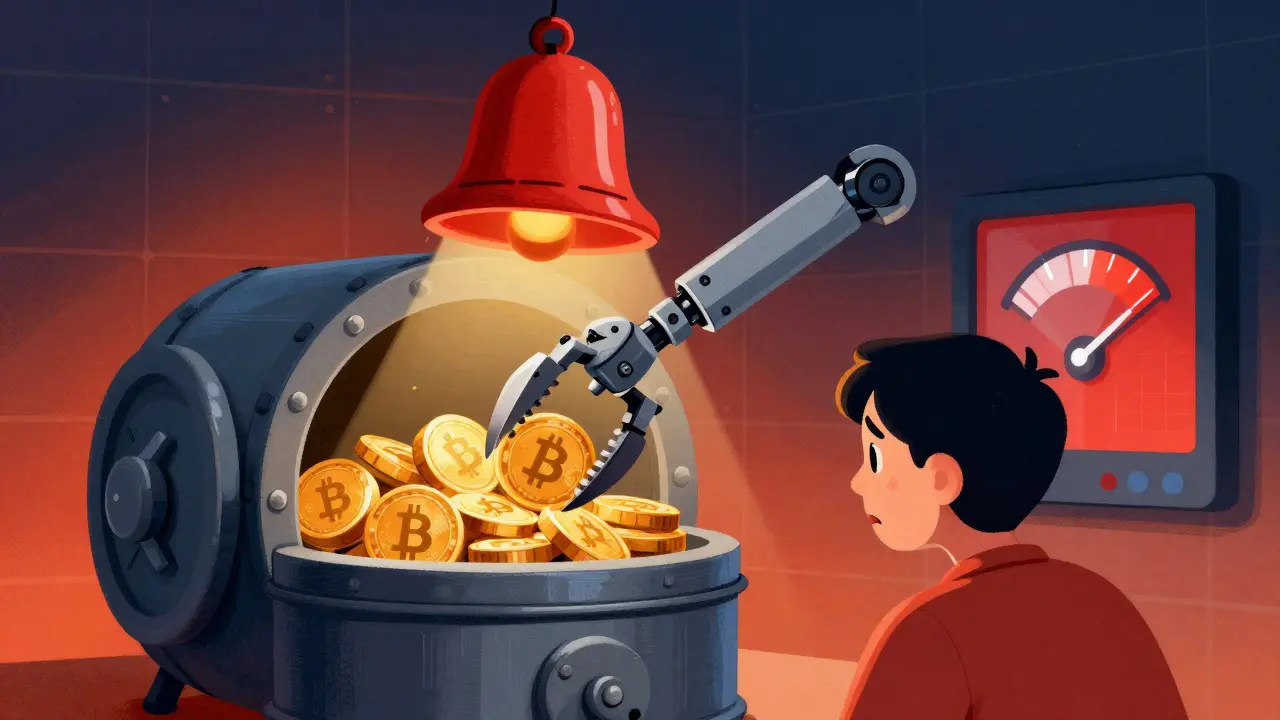
Supply Caps and Protocol Risk
Even if you want to supply massive amounts of a specific asset, you might hit a wall called a supply cap. Protocols set these limits to prevent overexposure to a single asset. If too many people deposit WBTC and the price crashes, the protocol might not be able to sell enough WBTC to cover all outstanding debts.
Supply caps are a form of institutional risk management. They ensure the protocol remains solvent even under extreme stress. As a user, you need to check these caps before moving large sums. If you’re planning to supply $1 million of a token, verify that the cap hasn’t been reached. Otherwise, your transaction will fail, wasting gas fees.
Strategies for Maximizing Borrowing Power Safely
You can increase your borrowing power by adding more collateral, but that ties up more capital. Here are smarter ways to optimize:
- Diversify Collateral Types. Mixing stablecoins and blue-chip cryptos balances risk. Stablecoins provide steady value, while ETH or BTC offer higher yield opportunities.
- Repay High-Interest Debt First. Not all borrowed assets have the same interest rate. Borrowing cheap stablecoins to pay off expensive crypto debt saves money.
- Monitor Market Trends. During bull markets, collateral values rise, increasing your borrowing power automatically. During bear markets, consider repaying debt early to reduce liquidation risk.
Remember, borrowing power is a tool, not a goal. Using leverage amplifies both gains and losses. Many experienced DeFi users stick to conservative ratios, borrowing only 30-50% of their available limit to sleep well at night.
Future of Collateral Management
The industry is evolving. We’re seeing more sophisticated algorithms that adjust collateral factors in real-time based on global market data. Cross-chain collateral is becoming possible, allowing you to use assets on Ethereum as backing for loans on Solana or other networks. This increases flexibility but adds complexity regarding bridge security.
Traditional banks are also studying DeFi models. Some fintech companies are experimenting with instant, collateralized digital loans that mimic DeFi’s speed but operate within regulatory frameworks. The line between TradFi and DeFi is blurring, but the core principle remains: collateral is king.
Can I lose my collateral if I don't repay the loan?
Yes. In DeFi, if the value of your collateral drops below the required threshold and you don't add more funds or repay part of the debt, your position will be liquidated. This means the protocol sells your collateral to cover the loan. Unlike traditional loans, there is no manual intervention or grace period.
Does borrowing affect my credit score?
No. DeFi lending is permissionless and pseudonymous. Protocols do not report to credit bureaus because they do not know your identity. Your borrowing activity has no impact on your traditional credit score.
Why does the collateral factor change?
Protocols adjust collateral factors based on market volatility and liquidity. If an asset becomes highly volatile or illiquid, the protocol may lower the factor to reduce risk. Conversely, stable assets may see increased factors during calm market periods.
What happens if I hit the supply cap?
If you try to supply more of an asset than the protocol’s supply cap allows, the transaction will fail. You cannot deposit additional funds until existing users withdraw or the protocol increases the cap. This prevents overexposure to risky assets.
Is it safer to borrow against stablecoins or volatile crypto?
Borrowing against stablecoins is generally safer because their value doesn’t fluctuate wildly. Volatile assets like Bitcoin or Ethereum carry higher liquidation risk during market dips. However, stablecoins often have lower collateral factors, meaning you borrow less per dollar deposited.