
When Catalyx launched as Canada’s homegrown crypto exchange, it looked like the real deal. Clean interface, low fees, support for 40+ coins, and a clear path to regulatory compliance. But by January 2024, it was gone - bankrupt, frozen, and under investigation for fraud. If you’re wondering whether Catalyx was safe, or why a platform that grew 1,500% in one quarter collapsed so fast, here’s the full story - no fluff, just facts.
What Catalyx Actually Offered
Catalyx wasn’t some sketchy offshore site. It was a Canadian company, registered with FINTRAC, and built for everyday users who wanted to trade crypto without getting lost in complex tools. The platform let you swap fiat for crypto or crypto for crypto with a single click. No hidden spreads. Just a flat 0.75% trading fee - transparent, predictable, and fair compared to other exchanges charging 0.1% to 1.5% with hidden markups. It supported major coins like BTC, ETH, USDT, ADA, LTC, and USDC. The trading interface had real-time charts, full order books, and advanced order types like limit and stop-loss. You could even track stock markets alongside crypto prices, which made it unique among Canadian platforms at the time. Behind the scenes, Catalyx used a modern tech stack: Elixir and Phoenix for the backend, GraphQL to connect frontend and backend, TimescaleDB for time-series data, and PostgreSQL for storage. The whole system was designed to handle fast trades without lag. Quanterall, a software firm, built the admin panel from scratch. Their goal? Make trading feel as simple as buying coffee.How Fast It Grew - And Why That Was a Red Flag
In Q1 2021, Catalyx’s trading volume jumped 1,542% quarter-over-quarter. In March 2021 alone, trading volume went from C$14.88 million to C$28.44 million - a 91% monthly spike. Deposits surged by 163%, and revenue climbed 76%. These numbers looked incredible. Investors were pouring in. The company claimed to be scaling responsibly. But rapid growth in crypto often hides deeper problems. When a platform’s deposits and trading volume spike overnight, it usually means one of two things: either the product is truly revolutionary, or someone is moving money around in ways that aren’t transparent. In Catalyx’s case, it was the latter. The referral program added fuel to the fire. Users earned up to 20% of their referrals’ trading fees - with no cap. That created a powerful incentive to bring in new users, even if they didn’t understand crypto. Many people signed up not to trade, but to earn commissions. That’s not sustainable growth - it’s a pyramid structure disguised as a crypto exchange.The Fraud That Killed Catalyx
The real story doesn’t start with technology or growth. It starts with Jae Ho Lee, the CFO. According to the Alberta Securities Commission (ASC), Lee secretly withdrew over $14 million in client crypto assets from Catalyx wallets. He didn’t just steal it - he hid it. He moved funds without authorization, bypassed internal controls, and lied about where the money went. The company didn’t catch it. Not because they were incompetent - but because Lee was the one in charge of the controls. CEO Hyuk Jae Park claims he didn’t know about the theft until November 24, 2023. By then, Lee had already stopped responding to emails. Park tried to access the company’s wallets and bank accounts. No reply. On December 14, 2023, legal counsel sent a formal demand. Still nothing. Two weeks later, Catalyx shut down. The ASC says Catalyx broke its own written undertaking with regulators. That’s a big deal. In Canada, crypto exchanges must sign a pre-registration agreement before operating. It includes promises to protect client funds, separate them from company money, and report suspicious activity. Catalyx failed on all three.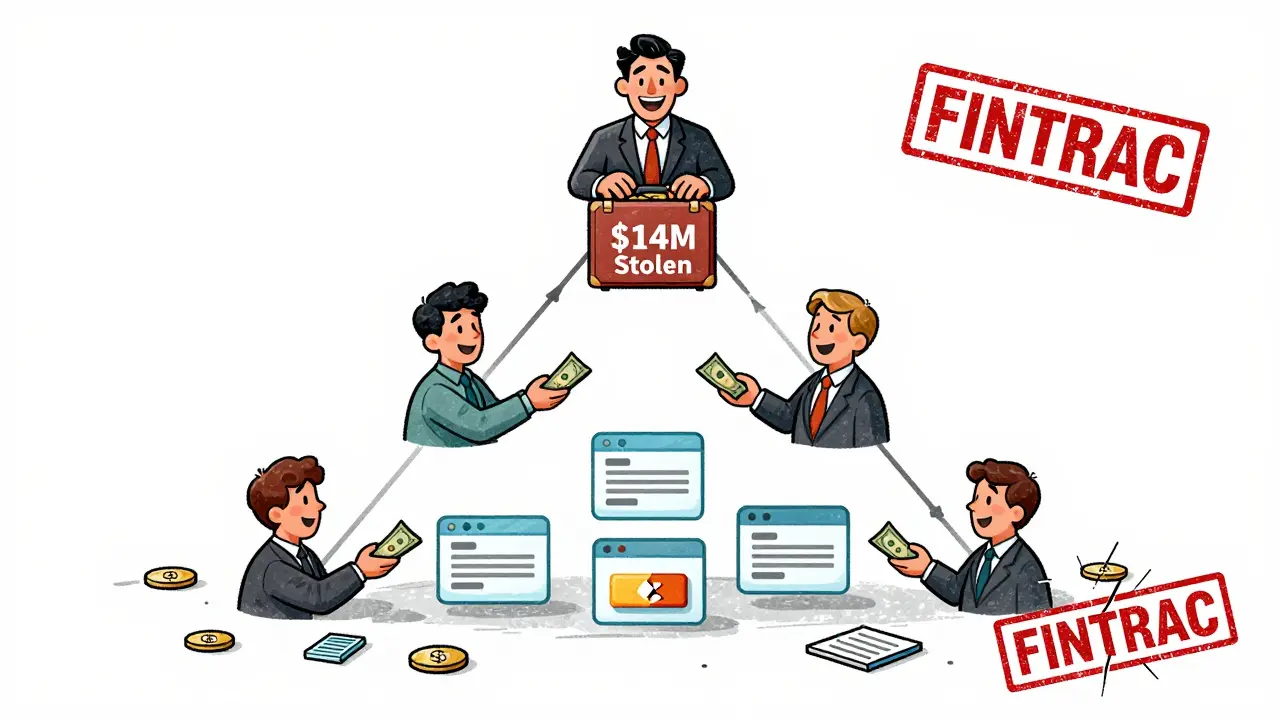
Why Client Funds Vanished
Centralized exchanges like Catalyx hold your crypto for you. That’s convenient - but risky. If the exchange gets hacked, goes bankrupt, or gets robbed by its own staff, your assets are gone. Unlike decentralized wallets, there’s no private key you control. Catalyx claimed to hold client assets in trust. But the ASC alleges they didn’t. The $14 million in stolen crypto wasn’t just missing - it was never properly segregated. That means those funds were likely mixed with company money, used for operational costs, or even funneled to other entities. When the platform collapsed, there was no clear trail of what belonged to users. Users who tried to withdraw after December 2023 got nothing. Accounts were frozen. Some were flagged for “suspicious activity” - a common tactic when exchanges are running out of cash. But unlike other platforms that freeze accounts temporarily, Catalyx had no way to unfreeze them. There was no money left to return.Was Catalyx Ever Safe?
Before the fraud came to light, Catalyx looked like one of the safer Canadian exchanges. It was FINTRAC-registered. It had a clear KYC process: government ID, selfie video, employment verification. It didn’t freeze accounts randomly. It didn’t have a history of hacks. But regulatory registration doesn’t mean safety. It just means the exchange applied for a license. Many Canadian platforms operate under the same pre-registration rules. The problem wasn’t the lack of oversight - it was the lack of enforcement. The ASC didn’t audit Catalyx’s internal controls. They didn’t check if client funds were truly segregated. And they didn’t question how the CFO had unrestricted access to millions in crypto. Catalyx’s collapse shows that even a well-designed platform can be destroyed from within. Technology doesn’t protect you from bad actors in leadership.What Happened After the Collapse
Catalyx was placed into receivership in January 2024. The company said it couldn’t continue without support from Bittrex Global - its major shareholder. But Bittrex didn’t step in. Why? Because they likely didn’t know the full extent of the fraud, or didn’t want to take on the legal fallout. As of early 2026, the ASC is still investigating. A hearing date was set for September 2025 in Calgary. The CEO and CFO face charges of fraud and regulatory breaches. But recovery for users? Nearly impossible. There’s no insurance fund like SIPC for crypto. No government guarantee. No way to trace the stolen assets. Thousands of users lost everything. Some had life savings. Others had just started trading. All of them trusted a platform that promised security - and got nothing in return.
What You Should Learn From Catalyx
Catalyx wasn’t a scam from day one. It was a legitimate platform that turned toxic because of one person’s betrayal. But that’s the lesson: centralized exchanges are not safe just because they look professional. Here’s what you need to do differently:- Never leave large amounts of crypto on any exchange. Use a hardware wallet for long-term storage.
- Check if an exchange is registered with your country’s financial regulator - but don’t assume that means safety.
- Look for audits from third-party firms. Catalyx never published one.
- Watch for rapid growth without clear revenue models. It’s often a sign of fund manipulation.
- If the CEO or CFO is unreachable, or the platform suddenly freezes withdrawals, get your money out - immediately.
Alternatives to Catalyx - What to Use Instead
If you’re in Canada and want a reliable exchange, stick with platforms that have proven track records and transparent audits:- Newton - Fully licensed in Ontario, strong KYC, no hidden fees, and regular third-party audits.
- Bitbuy - One of the oldest Canadian exchanges, regulated, insured custodial wallets, and easy fiat on-ramps.
- Coinsquare - Though it had its own issues in 2022, it’s now under new management and compliant with FINTRAC.
Final Thoughts
Catalyx didn’t fail because of bad code or slow servers. It failed because trust was broken from the inside. A CFO stole client funds. A CEO didn’t act fast enough. Regulators didn’t catch it in time. And users - the ones who believed the platform was safe - lost everything. If you’re thinking about using a new crypto exchange, ask yourself: Who controls the money? Do they have a history? Are they audited? Do they separate client funds? If you can’t answer those questions clearly, walk away. Catalyx is gone. But the lessons it left behind? They’re still very much alive.Was Catalyx a legitimate crypto exchange?
Yes, Catalyx was a legitimate Canadian exchange registered with FINTRAC and built with professional technology. It had a clean interface, low fees, and supported 40+ cryptocurrencies. But legitimacy doesn’t mean safety. It was later revealed that its CFO stole over $14 million in client funds, leading to its collapse in January 2024.
Why did Catalyx shut down?
Catalyx shut down in December 2023 after its CFO, Jae Ho Lee, allegedly stole over $14 million in client crypto assets. When the CEO tried to access company wallets and bank accounts, Lee stopped responding. With no liquidity left and no way to recover the stolen funds, the company declared bankruptcy and was placed into receivership in January 2024.
Did Catalyx users get their money back?
No. There was no insurance or recovery fund for users. The stolen assets were mixed with company funds and likely spent or moved to unknown wallets. As of early 2026, there is no known way for users to recover their lost crypto. The case is still under investigation, but recovery is considered highly unlikely.
Was Catalyx regulated?
Yes, Catalyx was registered with FINTRAC, Canada’s financial intelligence unit, and operated under a pre-registration undertaking with the Alberta Securities Commission (ASC). But registration doesn’t guarantee safety. The ASC later accused Catalyx of failing to protect client assets and not reporting the CFO’s fraud in a timely manner - a clear violation of its regulatory commitments.
Is it safe to use Canadian crypto exchanges today?
Some are, but you must be careful. Stick to exchanges like Newton, Bitbuy, or Coinsquare that publish regular audits, clearly separate client funds, and have a long track record of compliance. Never leave large amounts of crypto on any exchange. Use a hardware wallet for storage. Regulation helps, but it doesn’t prevent internal fraud - only transparency and user vigilance can.
What’s the biggest lesson from the Catalyx collapse?
The biggest lesson is that centralized exchanges are vulnerable to internal theft - even if they look professional. Technology, branding, and regulatory registration don’t protect your money. Only personal responsibility does: use cold wallets, avoid putting all your funds on exchanges, and research leadership and audit history before trusting any platform.