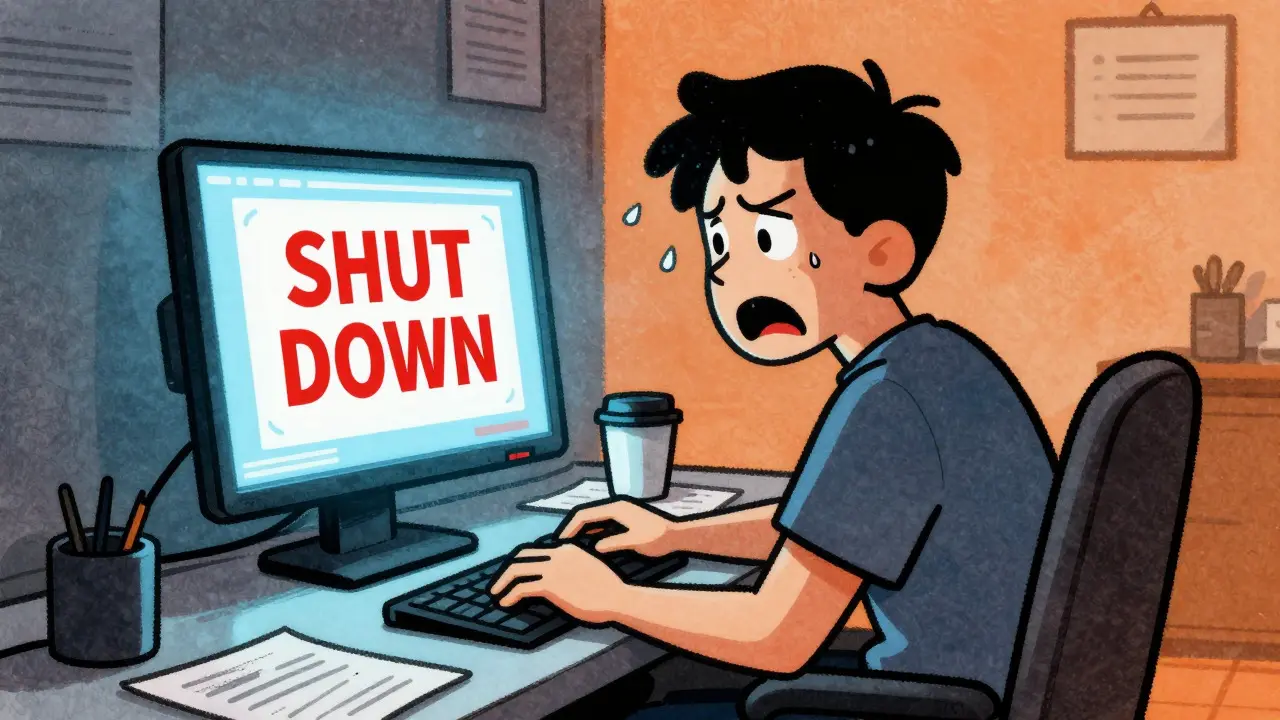
Imagine logging into your favorite trading platform only to find a notice that says everything is shutting down. That’s exactly what happened to users of Cashierest, a South Korean cryptocurrency exchange that ceased operations on December 22, 2023. If you are reading this because you still have funds stuck there or because you stumbled upon an old article praising it, here is the hard truth: Cashierest is dead.
This isn’t just a temporary maintenance issue. The exchange officially terminated all trading activities over two years ago. For anyone looking for a reliable place to trade digital assets in 2026, Cashierest is no longer an option. But if you were one of the few who managed to withdraw before the doors closed, or if you’re trying to understand why so many small exchanges fail, this review breaks down exactly what went wrong and where you should look instead.
The Quick Summary: What You Need to Know
- Status: Permanently closed for trading since December 22, 2023.
- Withdrawals: Only available until December 22, 2028, subject to strict identity verification.
- Origin: Founded in South Korea by Won-Joon Park; operated quietly with minimal global presence.
- Key Flaw: Lack of transparent trading volume data and no fiat currency support.
- Verdict: Avoid. Use established alternatives like Binance, Kraken, or local Korean leaders like Upbit.
What Was Cashierest? A Brief History
To understand why Cashierest failed, we first need to look at what it tried to be. Launched in June 2018, Cashierest was a crypto-only exchange developed by Newlink, a firm claiming decades of developer experience. It positioned itself as a gateway for traders who wanted to skip the hassle of connecting bank accounts. No fiat currencies like the US Dollar or Korean Won were supported. You had to deposit crypto to trade crypto.
The founder, Mr. Won-Joon Park, aimed for a "KYC-lite" approach. This means they promised faster sign-ups compared to heavily regulated giants. At its peak in 2019, the platform boasted 64 trading pairs. It offered a standard interface with order books and price charts, supporting both Korean and English languages. On paper, it sounded convenient for privacy-focused traders in South Korea.
However, convenience without liquidity is a trap. By September 2021, major tracking platforms like CoinGecko and CoinMarketCap stopped listing any trading volume for Cashierest. In the crypto world, zero volume is a massive red flag. It means no one was trading there. Without buyers and sellers, an exchange is just a website with a database. This lack of activity signaled long before the official closure that the platform was losing relevance.
Why Did Cashierest Close?
On December 22, 2023, Cashierest issued a formal termination notice. They cited "changing business conditions" as the reason. While vague, this phrase usually hides deeper structural problems. Let’s break down the likely causes based on market data and expert analysis from sources like Cryptowisser and ICO Rankings.
- Lack of Transparency: Unlike top-tier exchanges that publish proof-of-reserves, Cashierest never provided verifiable security audits. When volume data disappeared from trackers, trust evaporated.
- Regulatory Pressure in South Korea: South Korea has tightened its grip on crypto. The introduction of the "Travel Rule," which requires exchanges to share customer transaction data, made operating a "lite-KYC" platform much harder and more expensive.
- No Fiat On-Ramps: Most retail investors start by buying crypto with cash. By excluding fiat support, Cashierest limited its user base to people who already owned crypto elsewhere. This created a chicken-and-egg problem: few users meant low liquidity, which drove users away.
- Competition from Giants: Global players like Binance and Coinbase, along with local Korean leaders like Upbit and Bithumb, offered better fees, higher security, and wider asset selection. Why would anyone choose a smaller, opaque platform when better options existed?
The result was inevitable. The exchange couldn’t sustain operations against these headwinds. Experts marked it as "dead" in their exchange graveyards well before the final shutdown, warning users to move their funds.

If You Still Have Funds: The Withdrawal Process
Here is the critical part for anyone who missed the boat. Cashierest did not vanish completely overnight. They announced a five-year wind-down period. This means withdrawal support remains active until December 22, 2028.
If you believe you have assets left on the platform, do not wait. Here is how the process works according to their final notice:
- Submit Verification: You must request an identity check. The platform claims to complete this within 7 business days.
- Asset Return Timeline: Once verified, assets are processed within 14 business days.
- Legal Recourse: If your identity cannot be confirmed, or if the claim is disputed, you will receive guidance on legal procedures. Note that this adds significant time and cost.
Keep in mind that navigating a defunct company’s bureaucracy can be frustrating. Ensure you have all your account details, past transaction IDs, and identification documents ready. Time is ticking toward the 2028 deadline.
Comparison: Cashierest vs. Modern Alternatives
Since Cashierest is gone, where should you go? Comparing it to current market leaders highlights why it failed and helps you choose a safer path forward.
| Feature | Cashierest (Closed) | Binance | Kraken | Upbit (Korea) |
|---|---|---|---|---|
| Status | Closed (Dec 2023) | Active | Active | Active |
| Fiat Support | No (Crypto-only) | Yes (Multiple Currencies) | Yes (USD, EUR, etc.) | Yes (KRW) |
| Transparency | Low (No volume data) | High (Proof of Reserves) | High (Audited) | Medium-High |
| User Base | Niche/Korean | Global | Global | South Korea |
| Security Reputation | Unverified | Strong | Very Strong | Strong |
As you can see, the modern winners offer what Cashierest lacked: transparency, fiat access, and robust security. If you are in South Korea, Upbit or Bithumb are the natural successors. If you are international, Binance or Kraken provide deep liquidity and regulatory compliance.

Red Flags to Watch For in Any Exchange
The fall of Cashierest serves as a cautionary tale. How do you avoid ending up with frozen assets on a dead platform? Look out for these warning signs before you deposit a single cent:
- Missing Volume Data: Check CoinGecko or CoinMarketCap. If an exchange doesn’t show up, or shows near-zero volume, run. Liquidity is life for an exchange.
- Vague Security Claims: Phrases like "absolute security through various solutions" mean nothing. Look for specific terms like "cold storage," "multi-signature wallets," or third-party audit reports from firms like CertiK.
- No Fiat Options: While niche, crypto-only exchanges often struggle with user acquisition. Unless they have a unique utility, they are high-risk bets.
- Limited User Reviews: Search for independent reviews on forums like Reddit or Trustpilot. If you can’t find any recent discussions, it’s a bad sign. Healthy exchanges have active communities.
- Obscure Jurisdiction: While not always bad, exchanges registered in places with weak financial oversight pose higher risks if things go south.
Final Thoughts: Moving Forward Safely
Cashierest was a product of its time-a small player trying to survive in a rapidly consolidating market. Its closure reminds us that in crypto, survival depends on transparency, liquidity, and adaptability. With the platform officially shut down for trading, the focus now shifts to either recovering remaining assets before the 2028 deadline or migrating to healthier ecosystems.
Don’t let nostalgia or outdated information trap you. The crypto landscape moves fast. Stick to exchanges that prove their worth through open data and strong security practices. Your peace of mind is worth more than the promise of a "lighter" KYC process.
Is Cashierest crypto exchange still working in 2026?
No, Cashierest ceased all trading operations on December 22, 2023. It is currently non-functional for buying or selling cryptocurrencies. The only remaining function is the withdrawal of existing assets, which is available until December 22, 2028.
How do I withdraw my money from Cashierest?
You must submit an identity verification request through their official channel. Once verified (within 7 business days), your assets will be processed for withdrawal within 14 business days. Ensure you have your account credentials and ID documents ready.
Why did Cashierest close down?
Cashierest closed due to "changing business conditions," likely driven by a lack of trading volume, increased regulatory pressure in South Korea, and intense competition from larger, more transparent exchanges like Binance and Upbit.
Was Cashierest a safe exchange?
While it claimed to use hardware wallet backups, its safety was questionable due to a lack of public security audits and transparent volume data. Experts flagged it as risky well before its closure because it disappeared from major tracking platforms.
What are the best alternatives to Cashierest for Korean users?
For users in South Korea, Upbit and Bithumb are the leading alternatives, offering robust KRW trading pairs and regulatory compliance. International users might prefer Binance or Kraken for broader asset selection and global accessibility.