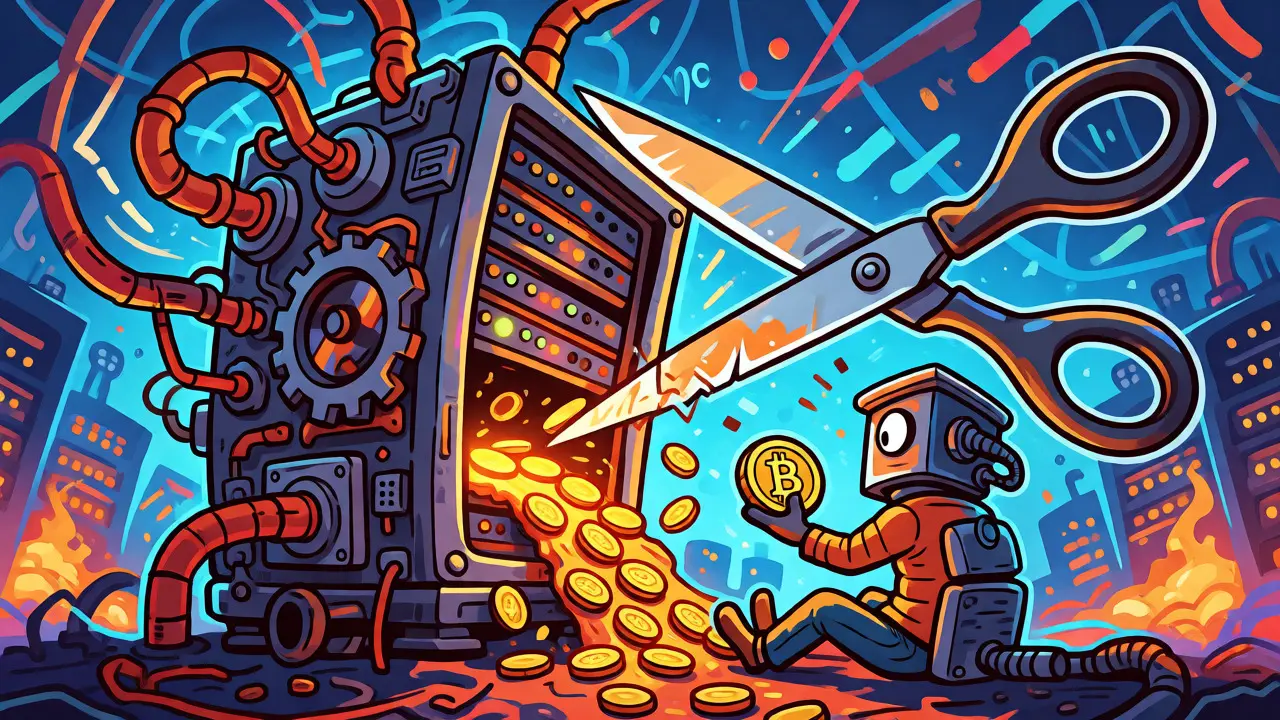
Imagine your paycheck gets cut in half overnight. Now imagine you’re a miner who just spent millions on hardware, and the reward for every block you solve drops from 6.25 Bitcoin to 3.125. That’s not a hypothetical scenario; it’s what happened on April 20, 2024. But here’s the twist: despite miners earning less, the value of each coin they hold tends to skyrocket. Why? Because Bitcoin halving isn’t just a technical update-it’s a programmed scarcity event that reshapes the entire market.
If you’ve ever wondered why Bitcoin price seems to follow a four-year heartbeat, or if you’re trying to figure out whether the next dip is a buying opportunity or a warning sign, you’re in the right place. We’re going to break down exactly how halvings work, look at the cold hard data from the last three events, and discuss what this means for your portfolio today, in late 2026.
The Mechanics: Why Scarcity Drives Value
At its core, Bitcoin halving is a pre-programmed event that reduces the reward for mining new blocks by 50%. This happens roughly every four years, or more precisely, every 210,000 blocks. The goal? To cap the total supply at 21 million coins. Unlike fiat currencies, which central banks can print endlessly (hello, inflation), Bitcoin’s supply growth slows down predictably. Think of it like gold: the easier it is to find, the cheaper it gets. As it becomes harder to mine, the scarcity premium kicks in.
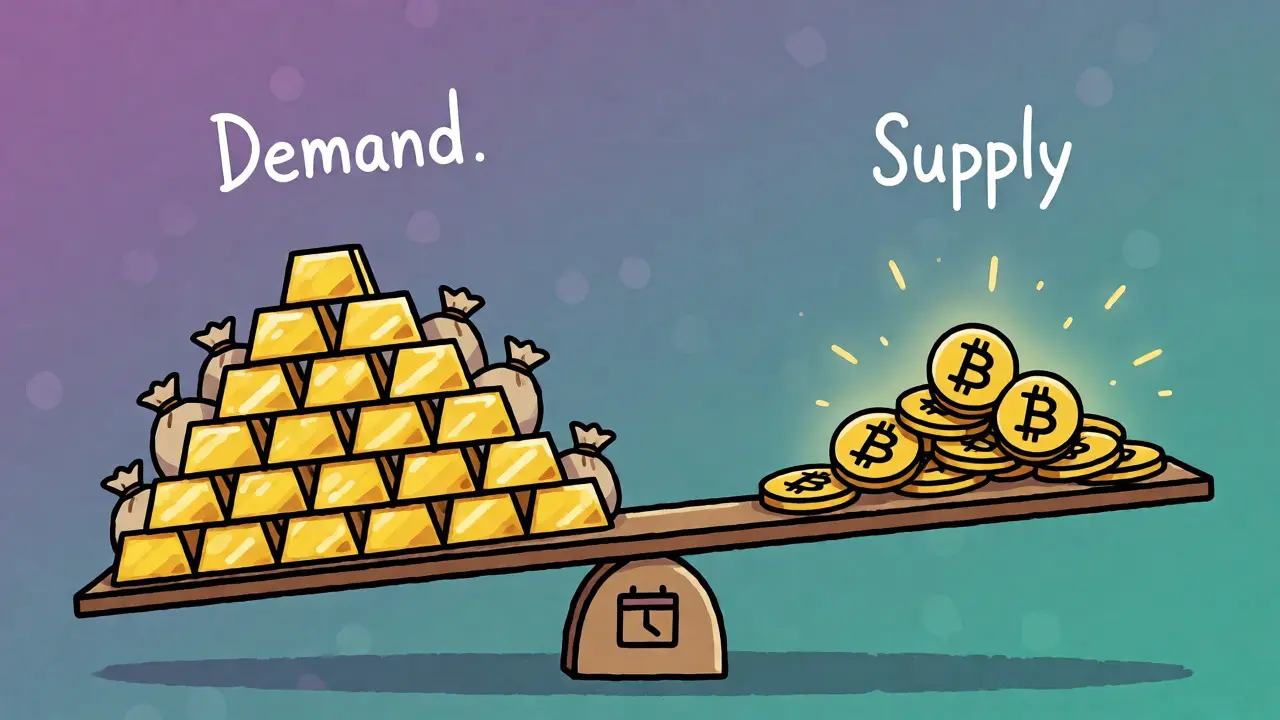
This mechanism creates a classic supply-and-demand squeeze. If demand stays steady-or grows-while the influx of new coins drops by half, basic economics suggests prices should rise. It’s not magic; it’s math. And historically, the market has treated these events as massive bullish signals, often pricing them in months before they even happen.
A Look Back: Three Halvings, Three Bull Runs
History doesn’t repeat itself exactly, but it rhymes. Let’s look at the numbers. They tell a compelling story about how Bitcoin price history correlates with these events.
| Halving Event | Date | Reward Change | Price Before | Peak Post-Halving | Time to Peak |
|---|---|---|---|---|---|
| First Halving | Nov 28, 2012 | 50 → 25 BTC | ~$12 | $1,100+ | ~12 months |
| Second Halving | Jul 9, 2016 | 25 → 12.5 BTC | ~$650 | ~$20,000 | ~17 months |
| Third Halving | May 11, 2020 | 12.5 → 6.25 BTC | ~$8,800 | ~$69,000 | ~18 months |
In 2012, nobody really knew what was happening. The network survived, and the price exploded over 1,800% within five months. By 2016, institutional eyes were starting to turn toward crypto. The 2017 bull run wasn’t just hype; it was fueled by the anticipation of scarcity. Then came 2020. This one was different because it collided with global economic chaos. While stocks crashed, Bitcoin dipped briefly but then surged to new all-time highs, cementing its reputation as "digital gold."
The fourth halving in April 2024 followed a similar pattern, though the market was more mature. Prices hit an all-time high of $73,750 just weeks before the event, suggesting investors had already priced in much of the expected upside. Yet, the long-term trajectory remained upward, proving that while short-term volatility exists, the structural bias remains bullish.
The Miner’s Dilemma: Economics of the Cut
For miners, a halving is a stress test. When rewards drop by 50%, their revenue instantly halves unless the price doubles immediately-which it rarely does. This forces a shakeout. Less efficient miners, those with older hardware or higher electricity costs, often go offline. You’ll see the network’s hash rate (total computing power) dip temporarily after each event.
But don’t panic. History shows that hash rates recover quickly. Why? Because as weaker players exit, the remaining miners capture a larger share of the network. Plus, rising prices eventually compensate for the lower rewards. In fact, many analysts view the post-halving miner capitulation as a healthy correction that strengthens the network’s security model. If you’re holding Bitcoin, you benefit from this consolidation. A stronger, more resilient network supports higher valuations.
What About Now? The 2026 Context
We are currently in the post-2024 halving era. If we stick to the historical four-year cycle, we should be approaching or in the peak phase of the current bull market. The 2024 halving reduced rewards to 3.125 BTC per block. Since then, the market has grappled with macroeconomic factors like interest rates and regulatory clarity.
Here’s the thing: the "easy money" phase might be behind us. With institutional adoption through ETFs and clearer regulations, Bitcoin is no longer a fringe asset. This maturity dampens extreme volatility but also stabilizes the floor price. Expectations for 2026 focus less on explosive percentage gains seen in 2012 and more on steady accumulation and integration into traditional finance portfolios.
Analysts often point to the Stock-to-Flow model, which predicts price based on scarcity. While critics argue it oversimplifies things, the correlation between decreasing supply inflation and rising price has held up remarkably well. If demand continues to grow-even modestly-the supply shock created by the 2024 halving will continue to exert upward pressure on prices throughout 2026 and beyond.

Common Pitfalls and How to Navigate Them
Don’t fall for the "buy the rumor, sell the news" trap blindly. Yes, prices often spike before the halving. But selling immediately after can mean missing out on the true supply shock effect, which takes time to materialize. The real impact isn’t instantaneous; it builds over 12-18 months.
- Ignore the Noise: Short-term dips after a halving are normal. Miners selling off inventory to cover costs can create temporary selling pressure.
- Watch the Hash Rate: A sustained drop in hash rate without a corresponding price drop can signal miner distress, which sometimes precedes a major bottom.
- Diversify Your Strategy: Dollar-cost averaging (DCA) beats trying to time the exact top. Given the cyclical nature, staying invested through the bear market following the peak is crucial for long-term gains.
Also, keep an eye on the next halving date. The next event is expected around April 2028. Mark your calendar. The anticipation will likely start building in late 2027, influencing market sentiment well before the actual block height is reached.
Frequently Asked Questions
How often does Bitcoin halving occur?
Bitcoin halving occurs approximately every four years, specifically every 210,000 blocks. The timing can vary slightly depending on the network's mining difficulty adjustments, but the average interval remains close to four years.
Does Bitcoin always go up after a halving?
Historically, yes. All three previous halvings have been followed by significant bull runs and new all-time highs within 12 to 18 months. However, past performance is not indicative of future results, and external macroeconomic factors can influence outcomes.
What happens to miners during a halving?
Miners' revenue from block rewards is cut in half. This can lead to financial strain for less efficient operations, potentially causing some to shut down equipment. Over time, increased transaction fees and rising Bitcoin prices typically help restore profitability for surviving miners.
When is the next Bitcoin halving?
The next Bitcoin halving is estimated to occur in April 2028. This event will reduce the block reward from 3.125 BTC to 1.5625 BTC per block.
Why is halving considered bullish for Bitcoin?
Halving reduces the rate at which new bitcoins are created, increasing scarcity. If demand for Bitcoin remains constant or increases while supply growth slows, basic economic principles suggest that the price should rise due to the supply-demand imbalance.