
You want to trade crypto in Turkey. You see Bitci TR is a centralized cryptocurrency exchange registered in Turkey that has been operational since August 2018. It promises easy access to Bitcoin, Ethereum, and a unique selection of fan tokens. But here is the hard truth: does it actually protect your money?
I have spent weeks digging into the numbers, security reports, and user complaints for this platform. The short answer? It is risky. While Bitci TR offers a localized experience for Turkish traders, independent audits flag serious security gaps. Before you deposit a single lira, you need to understand what you are getting into.
The Quick Verdict: High Risk, Low Trust
If you are looking for a safe place to park your savings, look elsewhere. Independent rating agencies like Traders Union give Bitci TR a score of just 2.85 out of 10. That puts it in the bottom tier of exchanges globally. Another agency, CER.live, assigns it a security grade of 'D' with only a 21% security score.
Why so low? Three main reasons:
- No Proof of Reserves: They do not publish audited proof that they hold user funds.
- Poor Security Transparency: No bug bounty program and no public penetration testing results.
- Opaque Ownership: Little information exists about who runs the company or their financial background.
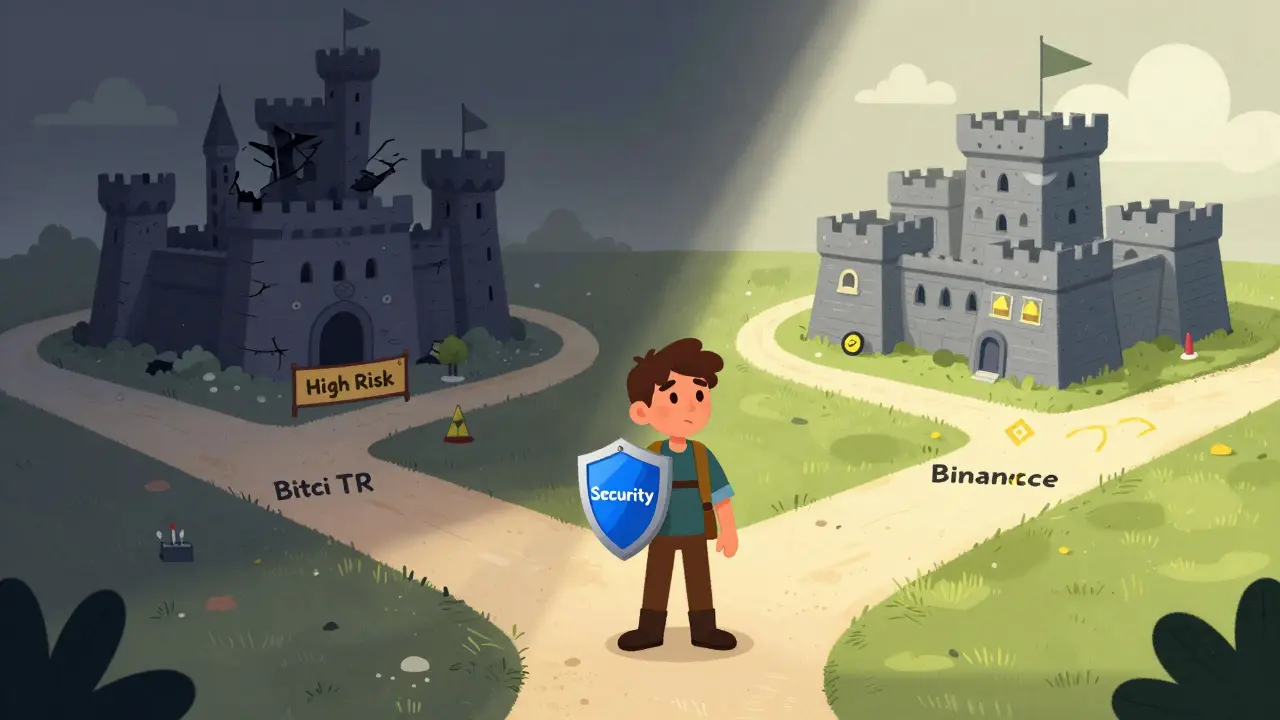
This doesn't mean the site is a scam in the traditional sense-it processes trades and allows withdrawals-but it lacks the institutional safeguards that major exchanges like Binance or Coinbase provide. For small amounts, it might be convenient. For significant capital, it is dangerous.
What Can You Actually Trade on Bitci TR?
Bitci TR supports over 60 cryptocurrencies. You will find the usual suspects: Bitcoin (BTC), Ethereum (ETH), Tether (USDT), and Ripple (XRP). However, the platform differentiates itself with two specific niches:
- Fan Tokens: Bitci was one of the early adopters of sports fan tokens (like those from Socios.com). If you are interested in betting on team governance or collecting digital memorabilia, this interface is built for you.
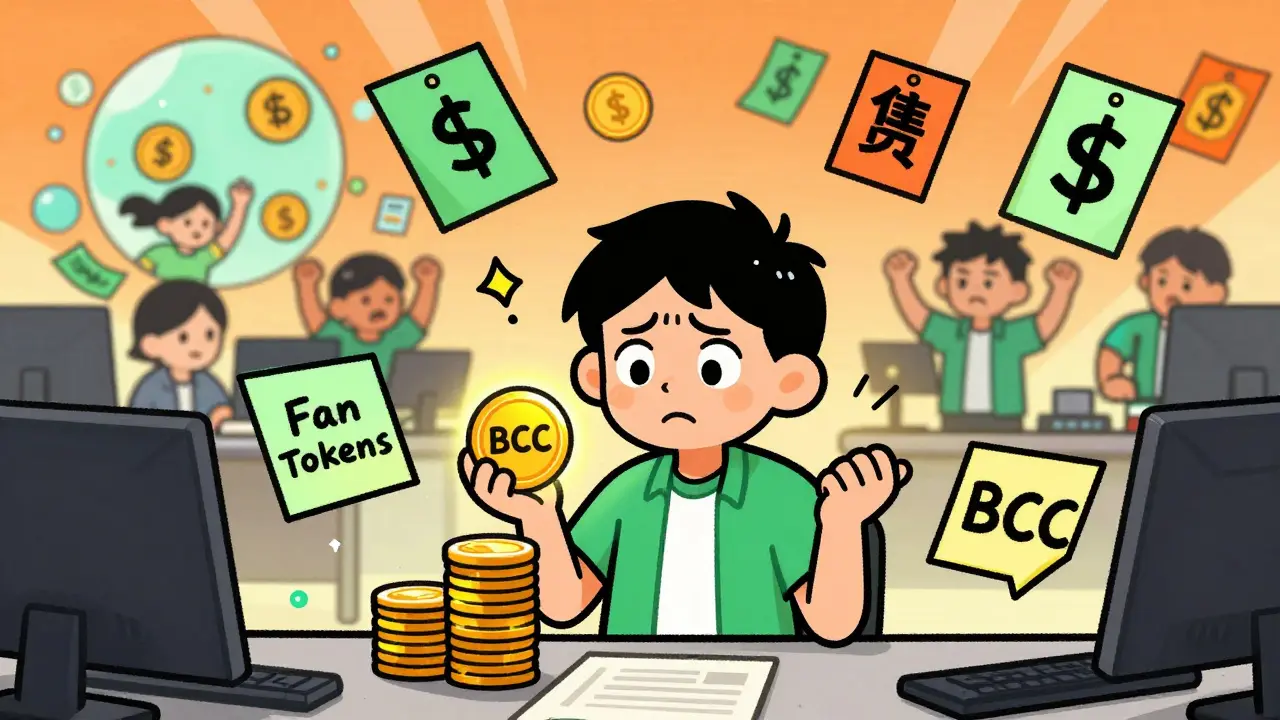
- Bitcicoin (BCC): This is the exchange's native token. More than 50% of the platform's daily turnover comes from BCC pairs. This creates a liquidity bubble-trading volume looks higher because users are constantly swapping between fiat and BCC, rather than moving money into broader markets.
For a general trader wanting to diversify into altcoins like Solana or Cardano, the selection is limited compared to global giants. You are essentially locked into their curated list, which favors their own ecosystem.
| Feature | Bitci TR | Binance / Kraken |
|---|---|---|
| Security Rating | D (21%) | A+ (90%+) |
| Trading Fees | 0.20% (Maker/Taker) | 0.10% - 0.04% |
| Proof of Reserves | No | Yes (Regular Audits) |
| Primary Market | Turkey | Global |
| Unique Offering | Fan Tokens & BCC | Deep Liquidity & Variety |
Costs: Are You Paying a Premium?
Let's talk money. Bitci TR charges a flat fee of 0.20% for both maker and taker orders. On paper, this sounds average. In reality, it is on the higher end for spot trading. Major competitors often offer rates starting at 0.10%, dropping to 0.02% for high-volume traders.
Here is where it gets tricky. The published fee structure rarely tells the whole story. Users report difficulties finding clear information on withdrawal fees. In crypto, hidden costs eat your profits faster than market dips. If you are trading frequently, that extra 0.10% adds up quickly. Combine that with potential slippage due to lower liquidity on niche pairs, and your effective cost per trade could be much higher.
Also, consider the spread. Because Bitci TR has lower overall volume compared to global hubs, the difference between the buy and sell price can be wider. You might think you are buying at $60,000, but the execution price ends up at $60,200. That gap is another silent fee.
Security Red Flags You Cannot Ignore
Security is not just about having HTTPS encryption. It is about operational integrity. Here is why experts are worried about Bitci TR:
1. Lack of Bug Bounty Programs Most reputable exchanges pay hackers to find vulnerabilities before criminals do. Bitci TR has no active, public bug bounty program listed on platforms like Immunefi or HackerOne. This means unknown bugs could sit in their codebase indefinitely.
2. No Penetration Testing Disclosure There is no public record of third-party security firms auditing their infrastructure. Without these tests, how do you know their servers aren't vulnerable to DDoS attacks or database breaches?
3. Zero Transparency on Funds In the wake of collapses like FTX, 'Proof of Reserves' became the industry standard. Bitci TR does not provide cryptographic proof that they hold 1:1 backing for user deposits. They simply state balances internally, which anyone can fake.
If you value safety, these omissions are deal-breakers. You are trusting them with your assets based on faith, not verification.
User Experience: Simple But Limited
On the flip side, Bitci TR is not difficult to use. They offer three interfaces:
- Basic Terminal: Click-to-buy/sell. Good for beginners who just want to convert TRY to BTC without looking at charts.
- Standard Platform: A middle-ground view with basic order books.
- Professional Interface: Integrates TradingView charts. This is useful if you do technical analysis and want to draw trendlines directly on the exchange.
The mobile app receives mixed reviews. Some users appreciate the simplicity, while others complain about lag during high volatility periods. Customer support is primarily available in Turkish, which is a plus for local users but a barrier for international traders. Response times vary, with many users reporting delays of several days for complex issues.
Regulatory Status in Turkey
Turkey's regulatory landscape for crypto is evolving rapidly. As of 2026, the Central Bank of the Republic of Turkey (CBRT) has tightened rules on crypto advertising and transactions. Bitci TR claims to comply with local laws, but there is no clear evidence of specific licensing beyond general business registration.
Unlike banks, crypto exchanges operate in a gray area. If Bitci TR were to face legal trouble or insolvency, recovering your funds would be nearly impossible. There is no deposit insurance scheme for crypto assets in Turkey. You are on your own.
Who Should Use Bitci TR?
Be honest with yourself. Do you fit this profile?
- You live in Turkey and struggle to verify identity on global exchanges due to KYC restrictions.
- You specifically want to trade Fan Tokens or Bitcicoin.
- You are trading very small amounts (under $500) and accept the risk of total loss.
If you answered yes, Bitci TR might serve as a convenience tool. If you are an investor, a trader, or someone saving for retirement, stick to regulated, transparent platforms with proven security records.
Alternatives to Consider
If Bitci TR feels too risky, here are safer options available to Turkish residents:
- Binance: Offers Turkish Lira pairs, deep liquidity, and strong security measures. Note that they have faced regulatory scrutiny in various countries, so stay updated on local bans.
- Kraken: Known for excellent customer support and strict compliance. Great for long-term holding.
- Localbitcoins / Paxful: Peer-to-peer platforms that allow direct person-to-person trades, bypassing exchange custody risks entirely.
Is Bitci TR a scam?
It is not classified as a outright scam because it processes trades and allows withdrawals. However, it is considered 'high-risk' due to poor security practices, lack of transparency, and low trust scores from independent auditors. Treat it with extreme caution.
Can I withdraw my money from Bitci TR?
Yes, most users report being able to withdraw funds. However, withdrawal limits may apply, and fees can be high. Always test with a small amount first to ensure the process works smoothly before depositing larger sums.
What is Bitcicoin (BCC)?
Bitcicoin is the native utility token of the Bitci TR exchange. It is used for trading pairs and potentially fee discounts. Its value is heavily influenced by the exchange's own marketing and internal trading volume, making it volatile and speculative.
Does Bitci TR have a mobile app?
Yes, Bitci TR offers mobile applications for iOS and Android. The apps provide basic trading functions and portfolio tracking. User feedback suggests the performance is adequate but may lag during peak market hours.
How do Bitci TR fees compare to other exchanges?
Bitci TR charges 0.20% for trades, which is higher than major global exchanges like Binance or Kraken that often charge 0.10% or less. Additionally, hidden costs like wide spreads and unclear withdrawal fees can make trading more expensive overall.