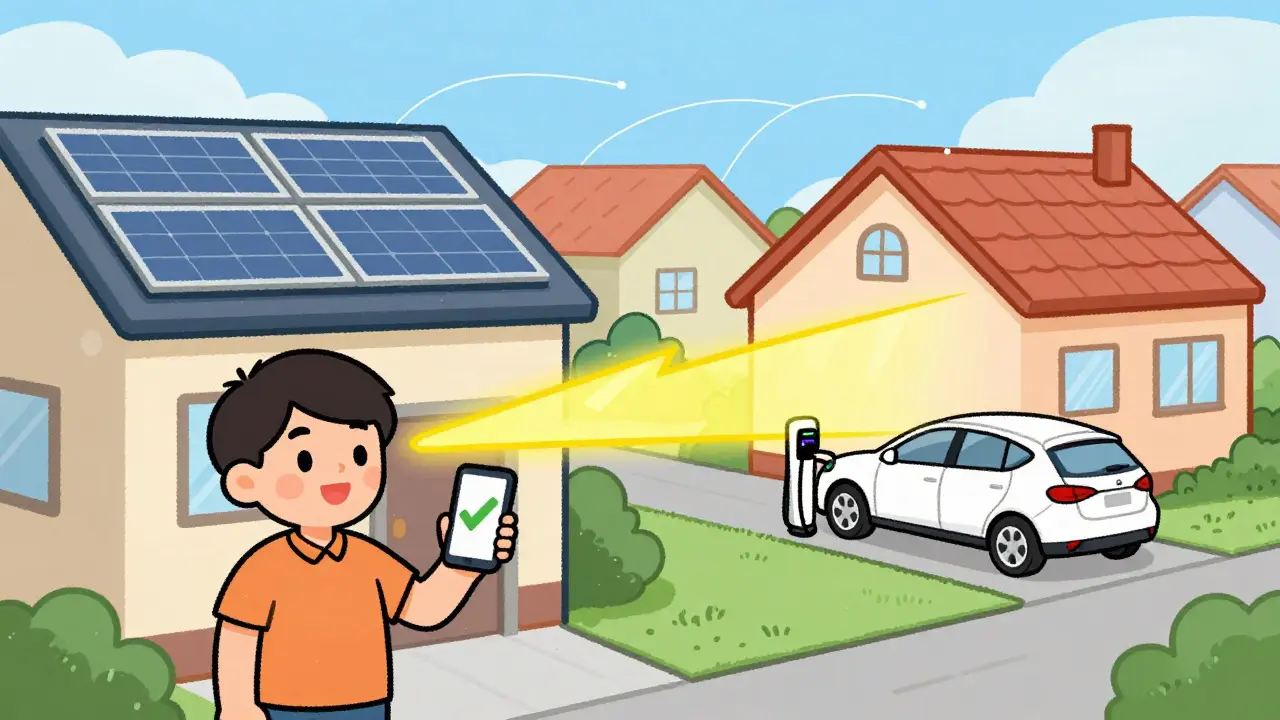
Imagine selling the extra electricity your rooftop solar panels generate directly to your neighbor’s electric car charger. No utility company taking a cut. No complex paperwork. Just a simple, automatic transaction happening in real-time. This isn’t science fiction; it is the core promise of blockchain energy trading, which is a decentralized system that allows peers to buy and sell renewable energy directly using distributed ledger technology. As we move through 2026, this technology is shifting from pilot projects to practical reality, offering tangible benefits for homeowners, businesses, and grid operators alike.
How Peer-to-Peer Energy Trading Works
To understand why this matters, you first need to see how it changes the flow of power. Traditionally, energy moves one way: from big power plants to your home via a centralized grid managed by a utility monopoly. You are a passive consumer. With blockchain energy trading, you become an active participant, often called a "prosumer" (producer + consumer).
The system relies on three key components working together:
- Distributed Ledger Technology (DLT): Every kilowatt-hour traded is recorded on a shared digital ledger. This record is immutable, meaning no one can tamper with it later. It creates a single source of truth for all participants.
- Smart Contracts: These are self-executing codes stored on the blockchain. For example, a smart contract might say: "If House A produces surplus solar energy at 2 PM, automatically sell 5 kWh to House B at $0.15 per kWh." No human intervention is needed.
- IoT Devices: Smart meters and sensors measure energy production and consumption in real-time, feeding data into the blockchain to trigger these transactions instantly.
This setup eliminates the middleman. Instead of selling your excess power back to the utility at a low rate and buying it back at a high rate, you trade directly with neighbors who value that local, clean energy.
Cost Efficiency and Financial Savings
The most immediate benefit for most people is money. Traditional energy markets are layered with intermediaries-generators, transmission companies, distributors, and retailers. Each layer adds costs, fees, and margins that end up on your monthly bill. Blockchain strips away many of these layers.
By enabling direct peer-to-peer (P2P) trades, users avoid the markup utilities charge for distribution and retail services. Studies from early pilots in places like Brooklyn, New York, and Australia show that prosumers can earn significantly more from their excess generation than they would from standard net metering programs. Meanwhile, buyers often pay less than the peak retail price because they are accessing local supply without long-distance transmission losses.
Furthermore, the automation reduces administrative overhead. There are no manual billing disputes or delayed invoices. Payments happen instantly via cryptocurrency or stablecoins tied to local currency, ensuring cash flow is smooth and predictable for small-scale producers.
Decentralization and Grid Resilience
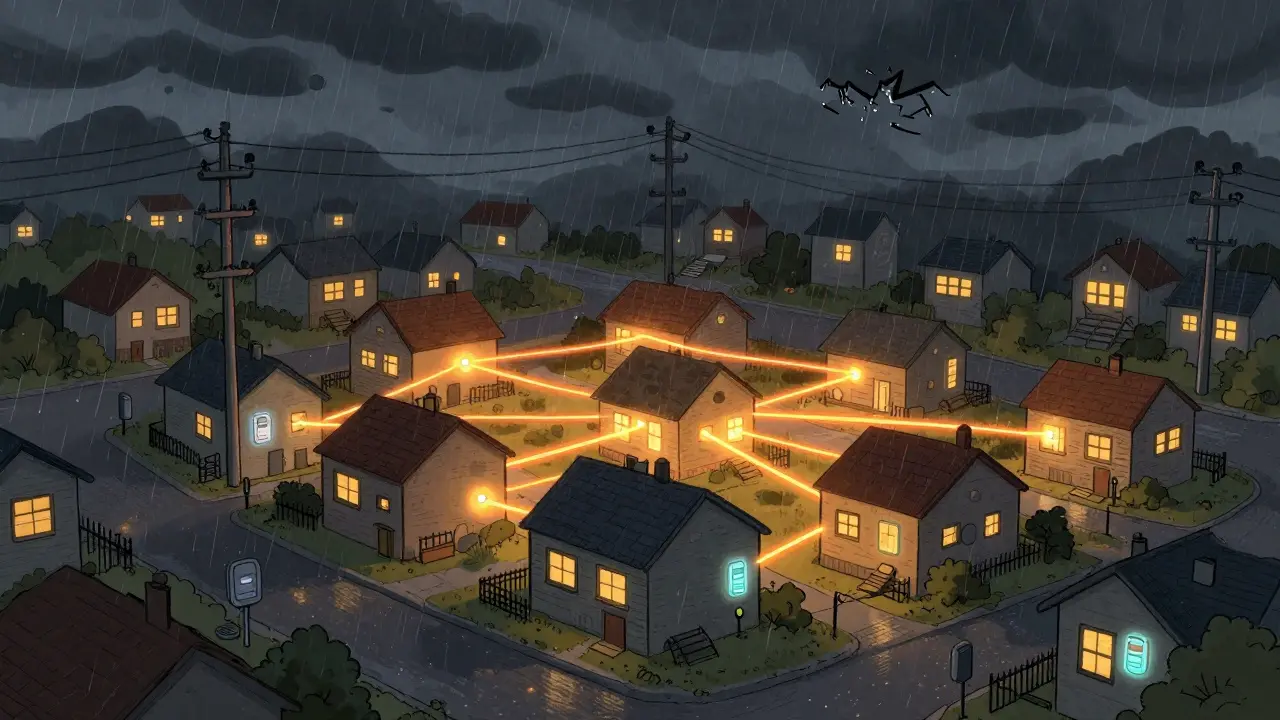
Centralized grids are vulnerable. A storm knocking out a major substation can leave thousands without power. Blockchain-enabled microgrids offer a different model. Because energy is generated and consumed locally, the system is more resilient to shocks.
If the main grid goes down, a neighborhood connected via a blockchain P2P platform can isolate itself and continue trading energy among its members. Homes with solar panels can share power with those that don’t, keeping critical appliances running. This decentralization distributes risk rather than concentrating it in a few large facilities.
Additionally, the programmable nature of smart contracts helps balance the load. The system can automatically incentivize users to reduce consumption during peak hours or discharge batteries when demand is high. This dynamic balancing prevents overloads and extends the life of grid infrastructure.
Transparency and Trust Without Intermediaries
In traditional energy markets, you trust the utility to read your meter correctly and bill you fairly. But what if there’s an error? What if prices are manipulated? Blockchain solves this with radical transparency.
Every transaction is visible to all participants on the network. You can verify exactly how much energy you bought, who sold it to you, and at what price. The cryptographic security of the ledger ensures that records cannot be altered retroactively. This builds trust between strangers-your neighbor doesn’t need to know you personally to trust that the energy they bought from you was delivered and paid for as agreed.
This transparency also aids regulatory compliance. Regulators can audit the entire history of energy flows without needing to request data from multiple private companies. It simplifies reporting and reduces the potential for fraud or corruption in energy procurement.
Accelerating Renewable Energy Adoption
One of the biggest hurdles to renewable energy adoption is intermittency. Solar doesn’t shine at night, and wind doesn’t always blow. Blockchain helps manage this variability by creating flexible, localized markets.
When the sun is shining brightly, solar prosumers can flood the local market with cheap, abundant energy. Neighbors with electric vehicles or battery storage can buy this surplus at low rates. When the sun sets, those same neighbors can sell their stored energy back to others. This dynamic pricing encourages efficient use of resources and reduces waste.
Moreover, blockchain lowers the barrier to entry for small-scale producers. In the past, only large utilities could participate in wholesale energy markets. Now, a single homeowner with a few solar panels can join the marketplace. This democratization accelerates the shift away from fossil fuels by making it economically viable for millions of individuals to invest in clean energy generation.
| Feature | Traditional Model | Blockchain P2P Model |
|---|---|---|
| Intermediaries | Multiple (Generators, Distributors, Retailers) | None (Direct Peer-to-Peer) |
| Pricing | Fixed or regulated tariffs | Dynamic, market-driven rates |
| Transaction Speed | Monthly billing cycles | Real-time, automated settlements |
| Transparency | Limited visibility into supply chain | Full visibility via public ledger |
| Grid Structure | Centralized, top-down | Decentralized, community-based |
Data Privacy and Security
You might worry that sharing detailed energy usage data online is risky. However, blockchain enhances privacy compared to centralized databases. In a traditional system, your utility holds a massive database of your consumption habits-a target for hackers. If breached, your personal data is exposed.
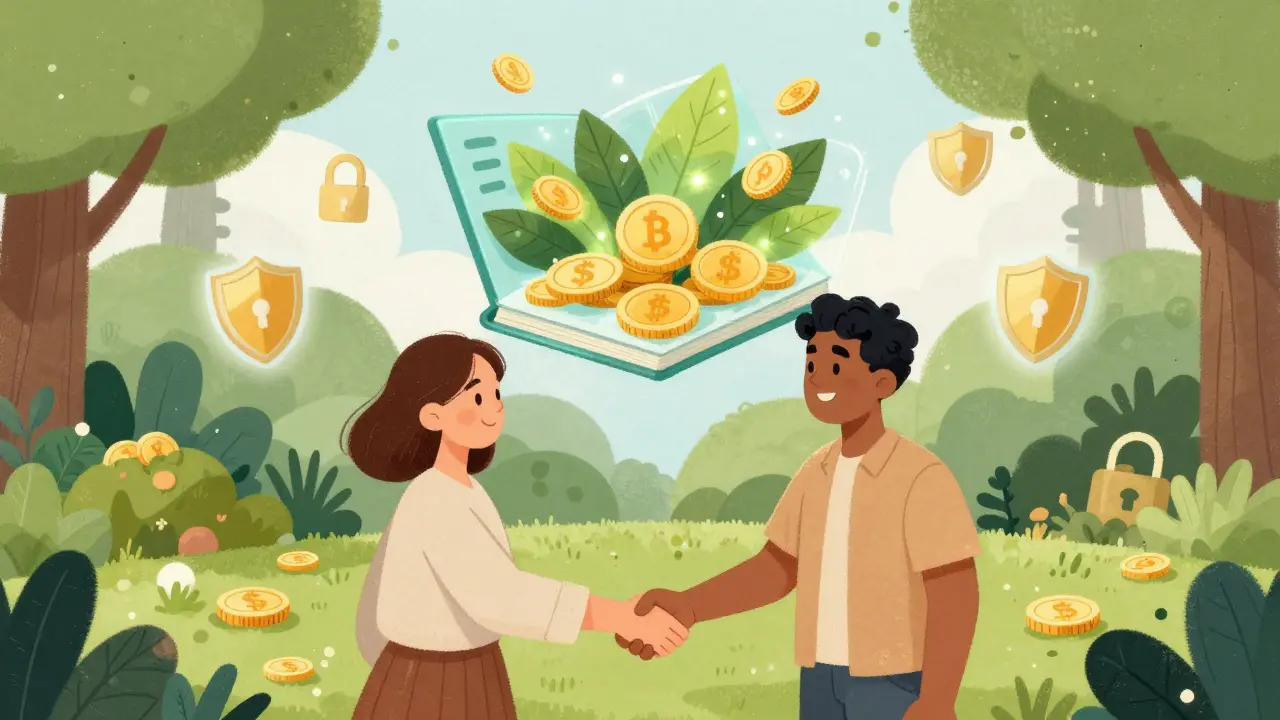
With blockchain, data is encrypted and distributed across many nodes. There is no single point of failure. While transaction details are public, user identities can be anonymized using cryptographic keys. You maintain control over your data, choosing what to share and with whom. This reduces the risk of identity theft and protects against price manipulation by monopolistic providers who might otherwise use your data against you.
Community Empowerment and Local Economy
Perhaps the most profound benefit is social. Blockchain energy trading keeps money within the community. Instead of sending your electricity bill to a distant corporate headquarters, you’re paying your neighbor. This circulates wealth locally and strengthens community bonds.
It also empowers marginalized communities. In areas with unreliable grid access, community-led microgrids powered by renewables and managed via blockchain can provide stable, affordable electricity. Residents become owners of their energy future, not just consumers. Early adopters report not just lower bills, but a greater sense of agency and connection to their environment.
Is blockchain energy trading legal in my area?
Legality varies by region. Many countries are updating regulations to accommodate P2P energy trading. Check with your local energy regulator or utility provider. Some jurisdictions allow it as a pilot program, while others have fully integrated it into the grid framework. Always ensure your setup complies with local electrical codes and tax laws.
Do I need special equipment to participate?
Yes, you typically need a smart meter capable of two-way communication and a renewable energy source like solar panels or a battery storage system. You’ll also need software or an app provided by the blockchain platform to manage trades and view your dashboard. Some platforms integrate with existing home energy management systems.
How secure are my transactions?
Blockchain transactions are highly secure due to cryptographic hashing and consensus mechanisms. Once a transaction is recorded, it cannot be altered. Your financial assets are usually held in a digital wallet secured by private keys, similar to online banking but with added layers of encryption. Never share your private keys with anyone.
Can I trade energy with anyone, or just neighbors?
Most current platforms focus on local trading within a specific grid zone or neighborhood to minimize transmission losses and comply with grid constraints. However, some larger networks allow broader regional trading. The range depends on the platform’s design and local infrastructure capabilities.
What happens if the internet goes down?
Energy flow continues normally regardless of internet connectivity. Smart meters may buffer data temporarily and sync once the connection is restored. Critical functions like safety shut-offs operate independently of the blockchain. The system is designed to be robust even during temporary network outages.