You’re looking for a new place to trade crypto, and the name BCEX pops up in your search results. It sounds promising, especially if you’re eyeing the South Korean market or just want an alternative to the big names like Binance or Coinbase. But before you connect your wallet or wire any fiat currency, you need to look past the marketing banners. There is a massive gap between what BCEX claims on its website and what independent data trackers actually see. This review breaks down that gap so you don’t end up with funds stuck in a ghost town.
The Big Discrepancy: Volume and User Base
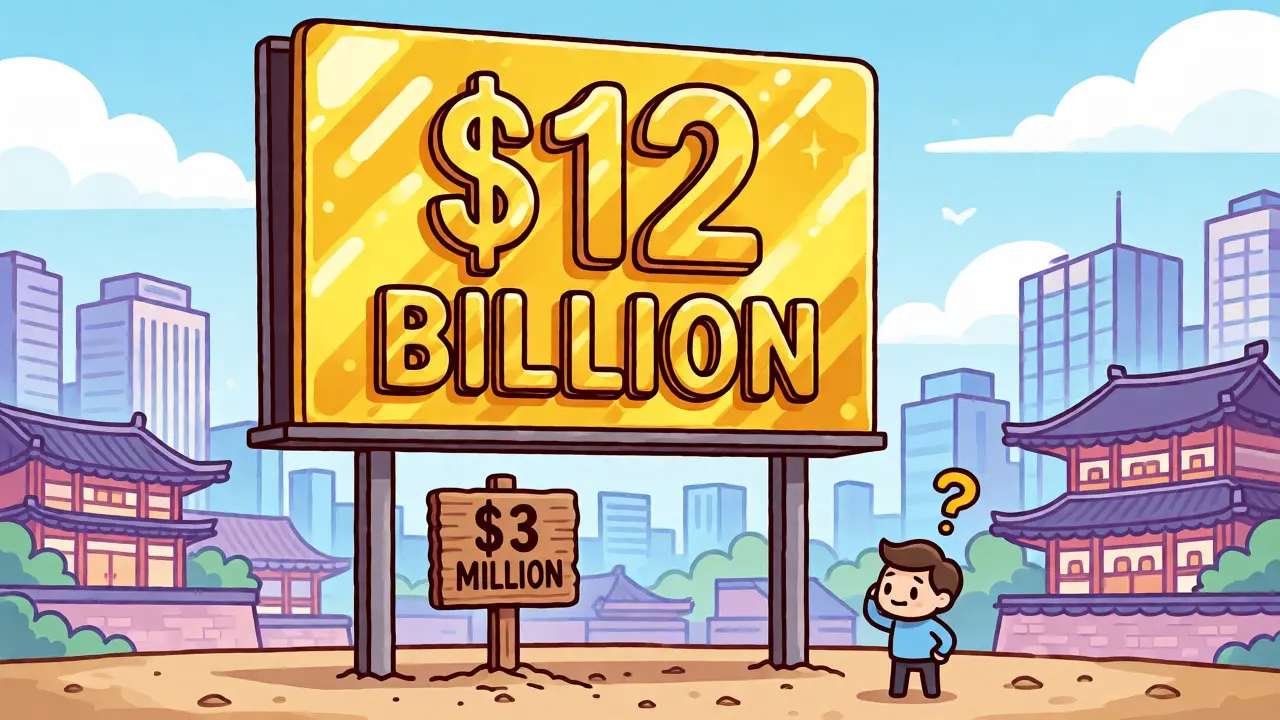
Let’s start with the elephant in the room. If you visit the official BCEX site, you might see claims of handling over $12 billion in daily trading volume and serving more than 10 million registered users. That would make it one of the largest exchanges on the planet, right up there with the giants. Now, check CoinGecko or CoinMarketCap. The reported 24-hour volume hovers around $3 million. That’s not a typo. It’s a difference of thousands of percent.
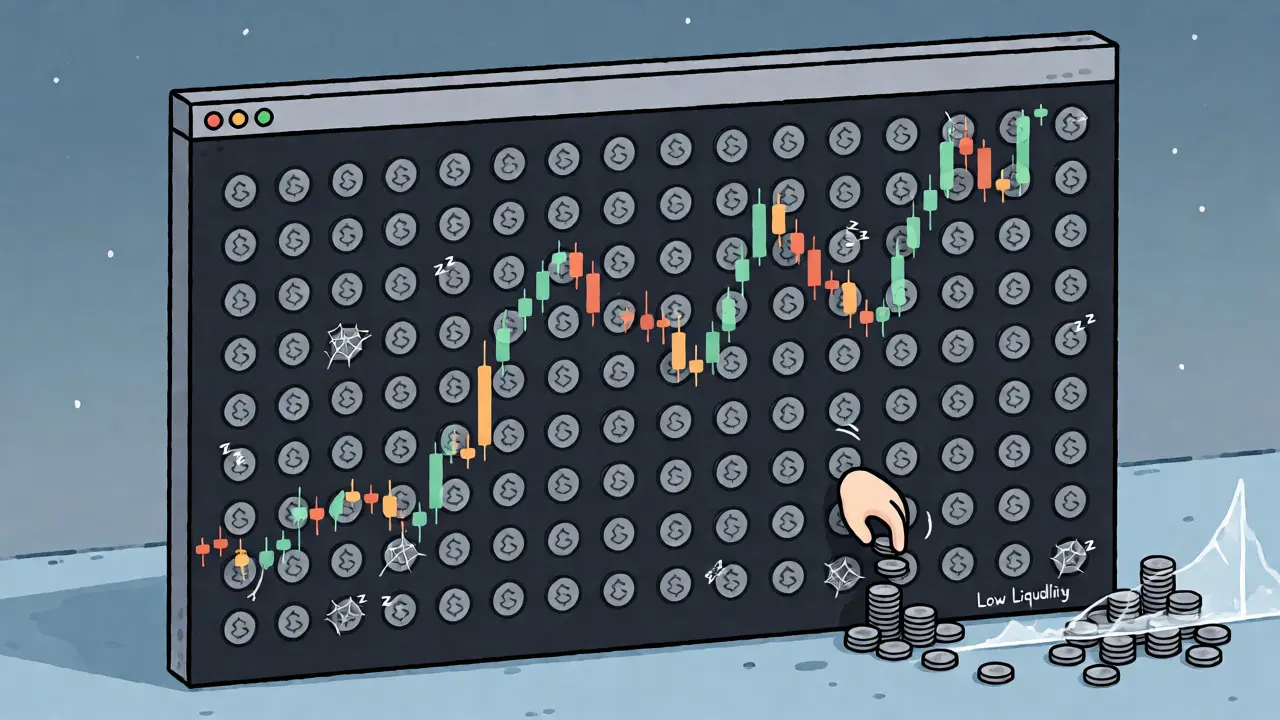
Why does this matter? Liquidity. If you try to sell a large amount of Bitcoin or Ethereum on an exchange with only $3 million in daily volume, you’ll move the price against yourself. You’ll experience significant slippage. Furthermore, low volume often correlates with lower security incentives. Major exchanges spend millions on security because they have billions at stake. Smaller platforms with questionable volume metrics can sometimes struggle to justify similar infrastructure investments.
| Metric | Official Claim | Tracker Data (CoinGecko) | Reality Check |
|---|---|---|---|
| Daily Trading Volume | >$12 Billion | ~$3 Million | Massive discrepancy; likely inflated marketing figures. |
| Available Cryptocurrencies | 500+ | 7-8 Active Markets | Most listed coins are dead or untradeable pairs. |
| Registered Users | 10 Million+ | N/A (Estimates vary) | Hard to verify without active withdrawal proofs. |
| HQ Location | Malta / Hong Kong | Conflicting Records | Lack of clear regulatory jurisdiction. |
Where Is BCEX Actually Based?
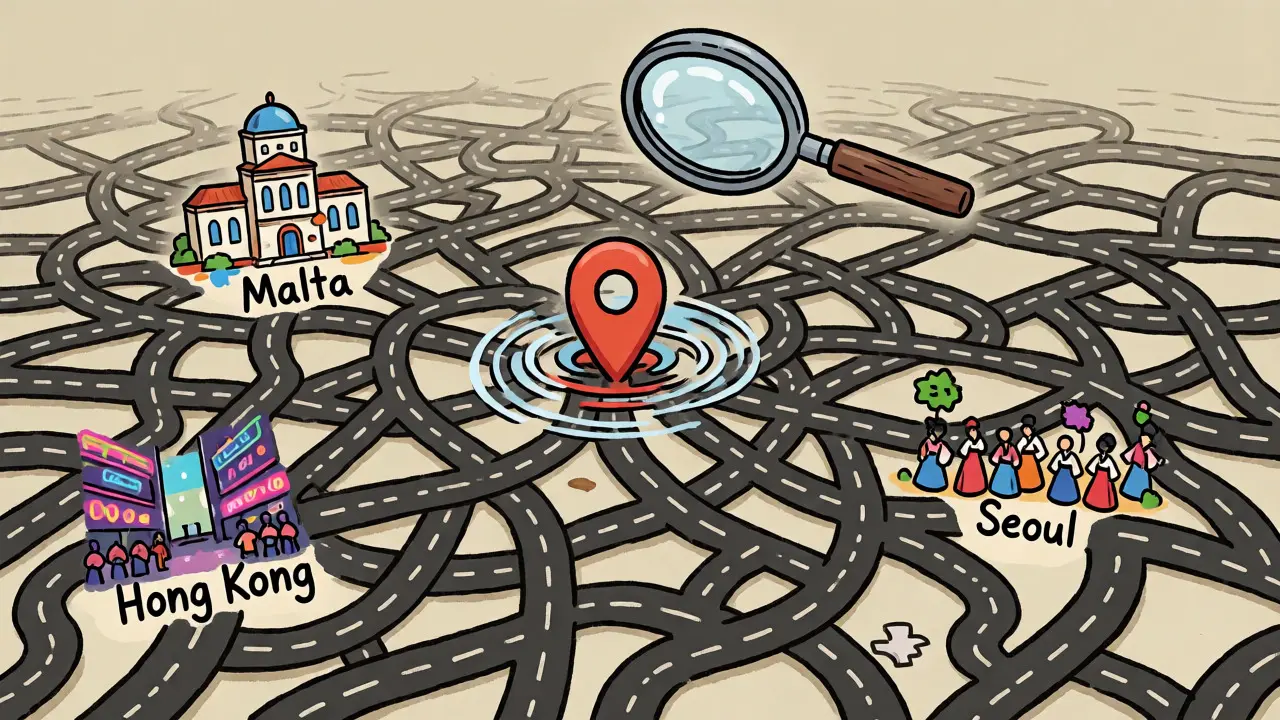
Transparency is key in crypto. When you send money to an exchange, you need to know who holds your keys and which laws protect you. BCEX presents a confusing picture here. Some sources point to Malta, a known hub for crypto-friendly regulations. Others cite Hong Kong. Why the confusion? Often, exchanges register a legal entity in one jurisdiction for banking purposes but operate their tech stack from another. For a trader, this ambiguity is a red flag. If something goes wrong-like a hack or a bankruptcy-which court do you go to? Which regulator steps in?
In the South Korean context, this is particularly tricky. South Korea has strict financial regulations. Exchanges operating legally there must partner with specific local banks for real-name accounts. If BCEX doesn’t clearly state its partnership with a major Korean bank like KB Kookmin or NH Bank, it might be operating as an offshore platform targeting Koreans rather than a fully compliant domestic entity. This affects how easily you can deposit KRW and withdraw it back to your bank account.
Trading Options and Interface
If you ignore the volume concerns for a moment, what can you actually do on the platform? BCEX offers spot trading, margin trading, and futures. On paper, this covers all the bases for an active trader. The interface includes standard features: order books, candlestick charts, and buy/sell panels. It looks familiar, which is good. You won’t need a manual to figure out where to click.
However, the selection is limited. While the marketing says "500+ cryptocurrencies," the active markets tell a different story. Currently, only about 7 to 8 currencies have meaningful liquidity. These are usually the top-tier assets like BTC, ETH, USDT, and maybe a few altcoins. If you’re hoping to find obscure gems or newly launched tokens, you’ll likely be disappointed. Most of those "500" listings probably have zero trading activity. Placing a limit order on a coin with no volume means waiting forever for a match.
Fees and Costs
Exchanges compete on fees. BCEX markets itself as having competitive rates. In the South Korean market, typical trading fees range from 0.2% to 0.8%. Since exact current fee tiers for BCEX can change based on VIP levels and promotional periods, you should always check the live schedule before making a large trade. Generally, smaller exchanges offer lower maker/taker fees to attract users away from the dominant players.
Keep an eye on withdrawal fees too. Sometimes an exchange advertises low trading fees but charges high network fees for withdrawals. Given the low volume, ensure that the withdrawal addresses for popular chains like Ethereum or Tron are correctly maintained. A common issue with smaller exchanges is delayed withdrawals during network congestion, simply because they hold less hot wallet capital.
Safety and Regulatory Status
Is BCEX safe? That’s the million-dollar question. It appears on legitimate tracking sites like CoinGecko, which adds a layer of legitimacy compared to completely unknown websites. However, being tracked isn’t the same as being audited. We haven’t seen recent proof-of-reserves reports from major auditing firms for BCEX. Without these, you’re trusting their word that they hold the assets they claim to hold.
For US investors, note that BCEX explicitly prohibits United States citizens from trading. This is standard for many offshore exchanges due to SEC regulations. If you’re in Europe or Asia, you’re in the target demographic. But remember, "prohibited for US" often means "less regulated globally." Always assume higher risk when using platforms outside of major jurisdictions like the EU (MiCA compliance) or the US (licensed MSBs).
Who Should Use BCEX?
So, who is this exchange for? Honestly, it’s a tough sell for serious traders. The low liquidity makes it unsuitable for anyone moving more than a few thousand dollars at once. You’d eat up too much spread. It might work for:
- Small hobbyists: People trading small amounts ($50-$100) who want to test a new platform.
- Korean-focused users: If BCEX has a verified banking channel for KRW deposits, it could be convenient for local users who prefer not to use the main domestic exchanges due to KYC hassle (though this is becoming rare in Korea).
- Speculators on specific pairs: If you find a unique pair with decent spread that isn’t available elsewhere, though this is unlikely given the low volume.
It is not recommended for:
- High-frequency traders: Slippage will kill your profits.
- Long-term holders: Why store your Bitcoin on a low-volume exchange when hardware wallets exist? And if you must keep it on an exchange, stick to the top 3 by volume for better insurance and security protocols.
- US Residents: You’re blocked anyway.
Alternatives to Consider
If you’re hesitant about BCEX, look at the established players. In South Korea, Upbit and Bithumb dominate. They have massive volumes, deep liquidity, and strong ties to local banks. Globally, Binance, Bybit, and OKX offer far superior liquidity and product depth. Even if you pay slightly higher fees, the ability to execute trades instantly without moving the market is worth it. If you want a decentralized option, Uniswap or dYdX allow you to trade directly from your wallet, removing the counterparty risk of holding funds on a centralized exchange like BCEX.
Final Verdict
BCEX is a classic example of "marketing versus reality." The promises of huge user bases and billions in volume aren’t backed up by the on-chain and off-chain data we can verify today. With only ~$3 million in daily volume and a handful of active markets, it operates more like a niche boutique than a global powerhouse. The lack of clarity regarding its headquarters adds another layer of caution.
Should you avoid it entirely? Not necessarily. If you are a cautious trader testing the waters with a small amount of money you can afford to lose, it’s fine. But for your primary trading hub? Look elsewhere. The risks associated with low liquidity and unclear regulatory standing outweigh the potential benefits of lower fees. Keep your eyes open, verify everything, and never invest more than you’re prepared to manage independently.
Is BCEX a scam?
There is no definitive evidence labeling BCEX as a scam, but there are significant red flags. The primary concern is the massive discrepancy between claimed trading volumes ($12 billion) and actual reported volumes (~$3 million). Additionally, conflicting information about its headquarters location raises questions about regulatory oversight. It is safer to treat it as a high-risk platform until more transparency is provided.
Can I use BCEX in the United States?
No, BCEX explicitly prohibits United States investors from trading on its platform. This is likely due to strict securities regulations enforced by the SEC. US residents should look for exchanges licensed in their state or country.
How many cryptocurrencies does BCEX support?
While marketing materials claim support for over 500 cryptocurrencies, current data shows only about 7 to 8 currencies have active trading markets. Most other listed assets likely have little to no liquidity, meaning you may not be able to buy or sell them effectively.
What are the trading fees on BCEX?
Fee structures can vary, but generally, BCEX aims for competitive rates similar to other mid-tier exchanges, often ranging between 0.1% and 0.2% for maker/taker orders. Always check the live fee schedule on the platform, as promotions and VIP tiers can alter these costs significantly.
Is BCEX regulated in South Korea?
The regulatory status is unclear. While it targets the Korean market, it is not one of the major domestic exchanges (like Upbit or Bithumb) that have explicit partnerships with local banks for real-name accounts. It may operate as an offshore entity accessible to Korean users, which carries different regulatory risks.