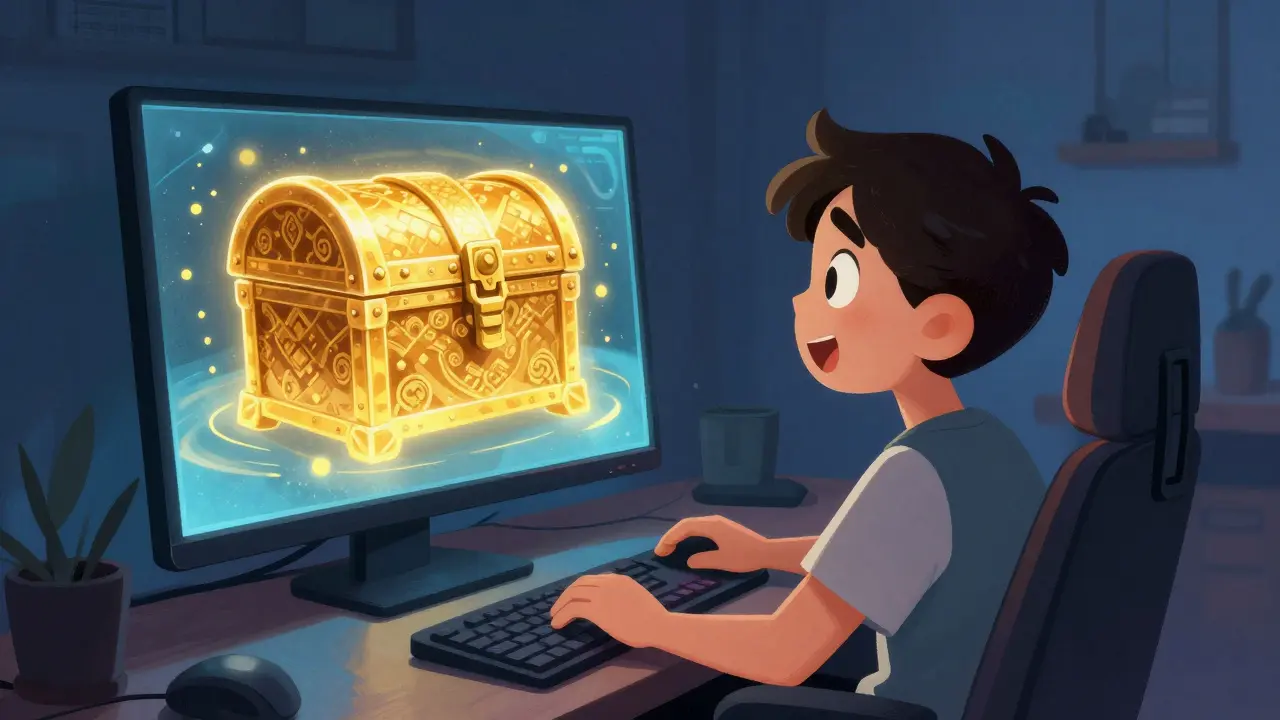
Imagine waking up to find a digital chest in your wallet that could be worth a chunk of a $50,000 prize pool. That was the hook for the Battle Hero II a play-to-earn gaming project that utilized NFT chest mechanics to drive user acquisition airdrop. While the promise of free assets is always exciting, this specific event serves as a perfect case study on the volatility of the 2022 NFT gaming boom and why "free money" in crypto usually comes with a side of risk.
Key Takeaways from the Battle Hero II Event
- Total prize pool was valued at over $50,000.
- Distribution focused on NFT Chests rather than direct tokens.
- Promoted via major platforms like CoinMarketCap.
- Highlights the high risk associated with early-stage P2E gaming drops.
How the Battle Hero II Airdrop Worked
The airdrop wasn't just a random handout; it was a calculated move to build a community around the BATH token and the broader game ecosystem. Most participants had to go through standard airdrop hoops: following social media accounts, joining Discord servers, and likely linking their wallets to a promotional portal.
Instead of sending a flat amount of currency, the project distributed NFT Chests. In the world of Play-to-Earn (P2E) gaming, these are essentially digital loot boxes. The idea was that these chests contained varying levels of rewards, creating a gambling-like excitement that kept players engaged. If you got a common chest, the value was low; if you hit a rare one, you'd see a significant jump in your wallet's value.
The Lure of the $50,000 Prize Pool
For a mid-sized project, a $50,000 pool is a decent lure. It's enough to attract thousands of "airdrop hunters"-users who jump from project to project solely to collect free tokens-without being so large that it bankrupts the developers immediately. This strategy was common throughout early 2022, as projects fought for a slice of the NFT gaming pie.
However, the value of these rewards was tied directly to the market price of the project's native assets. In the crypto world, a "$50,000 value" is often based on the project's internal valuation or a peak price, not necessarily the liquid cash you can pull out of an exchange instantly. This is where many users get caught off guard: the perceived value is high, but the actual liquidity is low.
Red Flags and Researcher Warnings
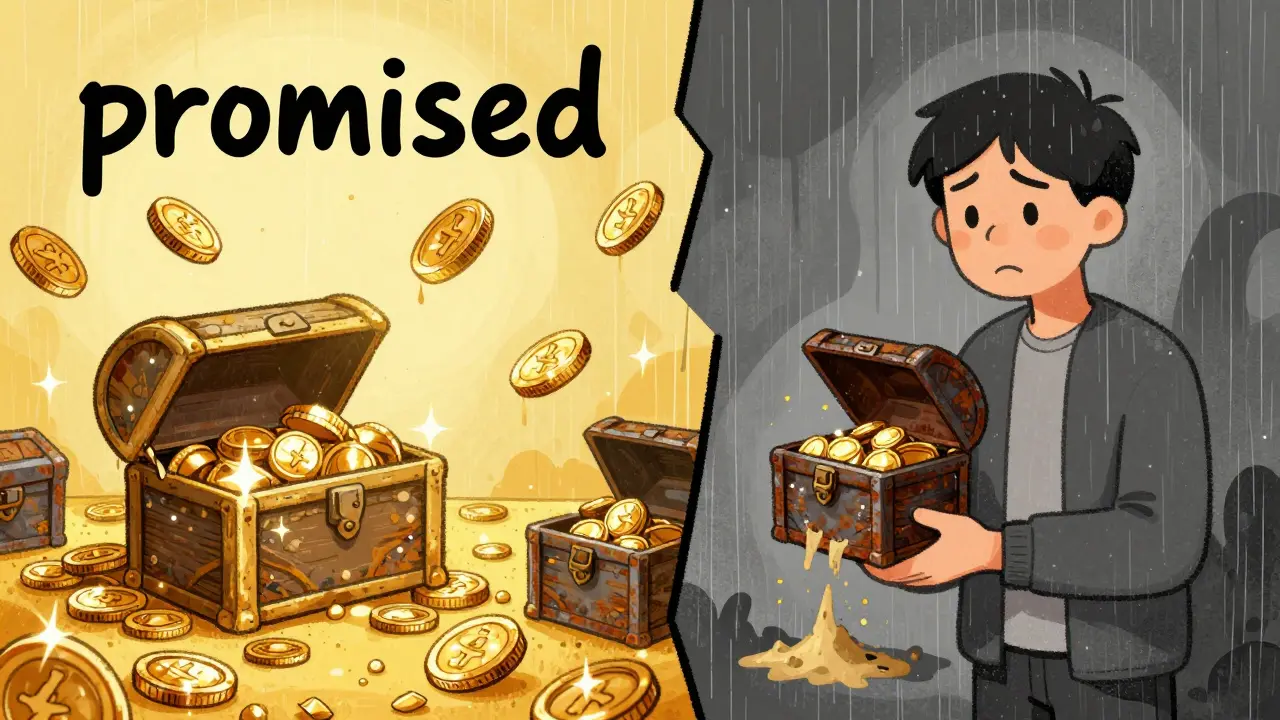
At the time of the launch, blockchain researchers were already sounding the alarm. Why? Because the airdrop landscape in 2022 was a minefield. While the event was listed on reputable platforms, the lack of transparent documentation regarding the team's identity and the long-term technical roadmap was a major red flag.
One common trap in these types of events is the "wallet drainer" script. While not explicitly proven for every single participant in the Battle Hero II event, the broader trend of 2022 saw countless fraudulent sites mimicking official airdrop pages to steal private keys. Experts urged "extreme caution," a phrase that should be tattooed on every crypto investor's brain when dealing with unverified gaming projects.
| Feature | Legitimate Project | High-Risk/Caution Project |
|---|---|---|
| Team Transparency | Doxxed (Public Identities) | Anonymous or Pseudonymous |
| Roadmap | Detailed technical milestones | Vague promises of "moon soon" |
| Token Utility | Clear use case in ecosystem | Purely speculative/reward-based |
| Distribution | Based on actual usage/holding | Based on social media tasks |
The Aftermath: What Happened to Battle Hero II?
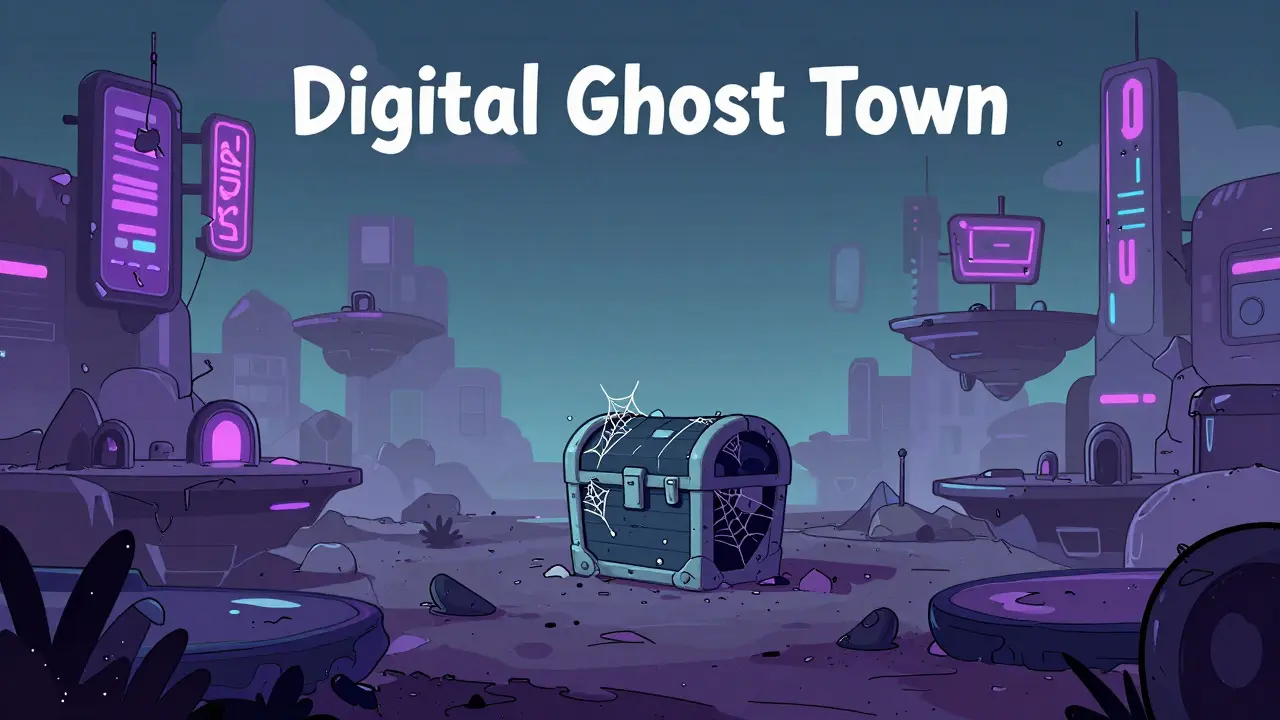
If you're looking for current price charts or an active player count for Battle Hero II today, you'll likely find a digital ghost town. Like many projects from the 2021-2022 bubble, the momentum stalled. When the hype around Blockchain Gaming shifted from "earning" back to "playing," projects that lacked deep gameplay mechanics collapsed.
Many users who claimed their NFT chests found that the secondary market for these assets evaporated. A chest that was "worth" $100 at launch might have become unsellable a few months later because there were no new players entering the ecosystem to buy them. This is the harsh reality of the P2E model: it requires a constant stream of new users to maintain the value of the assets held by old users.
How to Spot a Sustainable Gaming Airdrop Today
Whether it's 2022 or 2026, the rules for evaluating airdrops remain the same. If you see a new gaming project promising a huge prize pool, don't let the FOMO (Fear Of Missing Out) drive your decision. Instead, look for these specific markers of quality:
- Actual Gameplay: Can you play the game right now? If the airdrop happens before there is a playable demo, you aren't investing in a game; you're investing in a marketing campaign.
- Vested Distributions: Be wary of projects that give everything away at once. Sustainable projects often use vesting schedules to prevent a massive sell-off the moment the tokens hit wallets.
- Community Sentiment: Look past the "bullish" comments on Twitter. Search for critical reviews on Reddit or specialized blockchain forums to see if people are complaining about bugs or ghosting by the devs.
- Wallet Security: Always use a "burner wallet"-a secondary wallet with no significant funds-when connecting to a new airdrop site. If the site is a drainer, you only lose the burner, not your life savings.
The Broader Context of NFT Volatility
The Battle Hero II saga is a micro-example of a macro trend. Between 2021 and 2023, the market saw the rise and fall of countless "metaverses" and "battle arenas." These projects often used Tokenomics as a tool for growth, but forgot that a token without a functioning product is just a spreadsheet entry.
The transition from purely speculative assets to utility-based NFTs has been slow and painful. Today, the industry is moving toward "Web2.5" experiences-games that feel like traditional high-quality titles but have blockchain elements running quietly in the background. The loud, flashy airdrops of the Battle Hero II era have mostly been replaced by more subtle reward systems integrated into actual gameplay loops.
Was the Battle Hero II airdrop a scam?
While it was promoted on reputable sites like CoinMarketCap, researchers warned of high risks. Many projects from that era weren't necessarily "scams" in the sense of stealing money upfront, but they were "low-effort" projects that failed to deliver on their promises, leaving holders with worthless assets.
Can I still claim Battle Hero II Chest NFTs?
Most likely not. This event took place in early 2022. Airdrop windows are typically very short, and given the lack of current operational data for the project, the claiming period has almost certainly closed.
What is the purpose of an NFT chest in a game?
NFT chests act as loot boxes. When "opened" within the game's ecosystem, they grant the player random items, characters, or tokens. This adds an element of chance and encourages players to collect more chests to find rare items.
Why did so many P2E games fail after their airdrops?
Most failed because they relied on a "ponzinomics" model where value was driven by new users entering the game rather than an actual fun experience. Once the airdrop hype ended and new users stopped joining, the price of the assets crashed.
How do I protect my wallet during airdrops?
The gold standard is using a burner wallet. Never connect your primary storage wallet (like a Ledger or Trezor) to a website you don't 100% trust. Also, never share your seed phrase with any "support agent" claiming to help you with an airdrop.
Omg exactly!! 🚀 Most peeple just see the $$ and forget to check the fundamentals. I saw so many guys losing thier whole portfollo because they dont use burner wallets!! 😱 Always do your own reserch or you will get rekt lol 📉
Its funny how we keep repeating the same mistakes in this space. The psychology of airdrops is basically a dopamine loop... you feel like you won the lottery without doing any work. In the end, the lack of a real product is what kills these things. If there is no value prop beyond "more people joining," it is just a fancy pyramid scheme with a blockchain skin. Always look for the utility before the hype cycle peaks!!
Burner wallets are a must!!! No exceptions!!!
Good tips here. Just keep learning and you will get better at this!
Typical vaporware. The entire P2E sector was nothing but a series of poorly executed liquidity traps. The lack of a robust economic framework made the inevitable collapse a foregone conclusion. Absolute shambles from a regulatory perspective, and frankly, quite embarrassing for the industry to have allowed such blatant ponzi-schemes to proliferate under the guise of "innovation." Proper British financial standards would have crushed this in a heartbeat.
I wonder if any of these defunct projects actually had a codebase... or if it was just a website and a dream??? Definitely makes you think about the gap between marketing and actual dev work!!!
You probably fell for this because you lack the discipline to analyze risk. It is honestly pathetic how people still need to be told to use burner wallets in 2022. I can practically smell the desperation for "free money" from here. Most of you are just gambling and calling it investing to feel better about your lack of financial literacy. Maybe stop chasing chests and start reading a book on macroeconomics for once in your life.
The correlation between anonymous teams and project failure is statistically significant. Transparency is paramount.
The absolute failure of these decentralized gaming attempts is a testament to why we need strong national oversight to prevent the erosion of capital by these shadow-entities that operate outside the jurisdiction of the United States, leveraging high-frequency speculative volatility and algorithmic manipulation to fleece the average American citizen while promising a digital utopia that is nothing more than a sophisticated shell game designed by overseas actors to siphon liquidity from the domestic market through complex smart contract loopholes that would be illegal in any regulated exchange.
It is quite sad to see so many people lose their hope in such a fast way. The digital art side of things was a bit more interesting, but the gaming side felt too aggressive for my taste.